

Children develop new physical skills as they grow, from holding their heads up and sitting independently to walking, running and playing. While every child develops at their own pace, some may need additional support to improve movement, strength, balance or coordination. Children’s physiotherapy in Singapore provides specialised care to help young patients develop physical abilities, manage movement difficulties and participate more comfortably in everyday activities.
Paediatric physiotherapy focuses on each child’s individual needs rather than applying the same approach to everyone. Treatment may involve guided exercises, play-based activities, movement training and practical advice for parents. With suitable support, children can work towards achievable goals that improve their independence, confidence and participation at home, school and during recreational activities.
Understanding the Role of Children’s Physiotherapy
Children’s physiotherapy is a specialised area of healthcare that supports physical development, movement and functional ability. It may benefit children who experience developmental delays, neurological conditions, muscle weakness, joint problems or difficulties following an injury or operation.
A paediatric physiotherapist assesses how a child moves and performs everyday tasks. This may include observing posture, balance, walking patterns, muscle strength, flexibility and coordination. The assessment helps the therapist identify areas where support may be beneficial and establish appropriate treatment goals.
Physiotherapy is not limited to children with diagnosed medical conditions. Some children may need assistance with specific physical skills, while others may require structured rehabilitation after an injury. The type and frequency of treatment depend on the child’s needs, overall health and progress.
An important part of the process is making therapy suitable for the child’s age and abilities. Young children often respond well to activities that involve movement, toys and simple challenges. Older children may benefit from more structured exercises that help them improve strength, coordination and performance in daily activities.
Why Early Intervention Matters
Early intervention can help identify movement difficulties and provide support before they significantly affect everyday activities. When parents notice concerns about a child’s physical development, seeking professional advice can clarify whether an assessment is appropriate.
A physiotherapist may evaluate skills such as sitting, crawling, standing, walking and maintaining balance. If difficulties are identified, the therapist can recommend activities designed to support the child’s development and functional abilities.
Early intervention does not guarantee that every developmental difficulty will disappear. However, appropriate support can help children practise important skills, build confidence and make the best possible use of their physical abilities.
Treatment plans should also change as children grow. An activity that is suitable for a toddler may not meet the needs of a school-aged child. Regular assessments allow therapists and families to review progress, adjust exercises and establish new goals when necessary.
Conditions That May Benefit from Paediatric Physiotherapy
Children may receive physiotherapy for a range of conditions affecting movement, strength and coordination. Treatment is adapted to the individual rather than relying on a single programme for every diagnosis.
Cerebral Palsy
Cerebral palsy can affect posture, muscle tone, balance and voluntary movement. Some children experience difficulties walking, while others may need assistance with sitting, transferring between positions or using mobility equipment.
Physiotherapy may include movement practice, strengthening activities, stretching where appropriate and balance training. Therapists can also help families explore positioning strategies and mobility aids that support everyday participation.
The main aim is to improve functional abilities, comfort and independence according to the child’s needs. Treatment should be reviewed regularly to reflect changes in growth and physical ability.
Developmental Coordination Difficulties
Some children find activities requiring coordinated movements more challenging than their peers. Tasks such as climbing stairs, catching a ball, jumping or learning new physical skills may require additional practice.
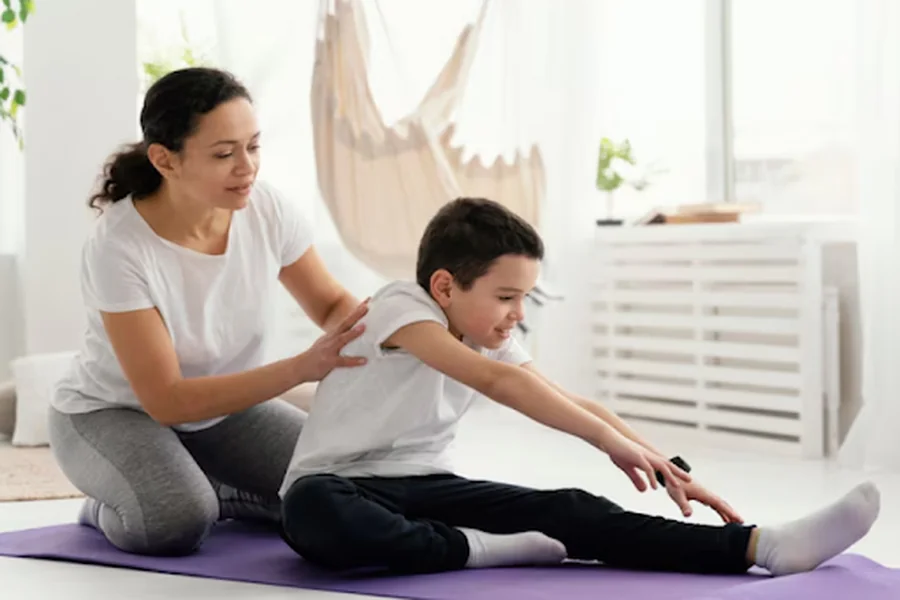
Physiotherapy can use structured activities to develop balance, coordination, strength and motor planning. Exercises are selected according to the child’s abilities and may be incorporated into games that encourage repetition without making sessions feel overwhelming.
Progress can help children participate more confidently in school activities, playground games and family recreation.
Muscular Dystrophy and Muscle Weakness
Muscular dystrophy refers to a group of conditions associated with progressive muscle weakness. Physiotherapy may help maintain comfortable movement, support functional ability and manage certain physical difficulties.
Activities must be tailored carefully to the child’s diagnosis and energy levels. Excessive exercise may be unsuitable for some conditions, so a qualified healthcare professional should determine the appropriate level of activity.
Therapists may also advise on positioning, mobility support and ways to conserve energy during everyday routines.
Spina Bifida and Other Neurological Conditions
Spina bifida can affect movement, muscle strength and sensation, with the impact varying between individuals. Some children may require support with walking, balance, transfers or the use of mobility equipment.
Physiotherapy can focus on maintaining joint movement, improving functional skills and helping children use their available abilities effectively. Where necessary, therapists coordinate with other healthcare professionals to address equipment needs and changing physical requirements.
Recovery After Injuries or Surgery
Children recovering from injuries or operations may need physiotherapy to regain movement, strength and confidence. Treatment depends on the procedure, the injury and any restrictions provided by the treating medical team.
A rehabilitation programme may gradually introduce movement exercises, balance activities and functional practice. Progression should follow professional guidance rather than encouraging children to return to demanding activities too quickly.
Common Physiotherapy Techniques for Children
Paediatric physiotherapists use different techniques according to the child’s condition and treatment goals. The approach should be appropriate for the child’s age, abilities and response to therapy.
Play-Based Therapy
Play-based activities make movement practice more engaging for younger children. A therapist might use toys, obstacle courses, reaching games or ball activities to encourage balance, coordination and strength.
These activities can help children practise useful movements in an enjoyable setting. The therapist adjusts the difficulty to provide an appropriate challenge while maintaining safety and motivation.
Strength and Balance Exercises
Strengthening activities may help children improve the muscle control needed for standing, walking, climbing and other daily tasks. Balance exercises can support stability when changing positions or moving across different surfaces.
Exercises should match the child’s abilities and medical needs. The therapist monitors technique and adjusts the programme as the child becomes more comfortable with each activity.
Movement and Functional Training
Functional training focuses on skills children use in everyday life. These may include getting up from the floor, moving between chairs, walking safely or managing steps.
Practising these tasks can help children apply their developing abilities outside the clinic. The therapist may also suggest changes to the home environment that make daily activities easier and safer.
The Importance of Family Involvement
Parents and caregivers play an important role in supporting a child’s progress. Physiotherapists can explain treatment goals, demonstrate appropriate activities and suggest practical ways to include movement practice in everyday routines.
Home activities should remain manageable and suitable for the child. Short, regular sessions may be easier to maintain than demanding routines that interfere with school, rest or family time.
Parents should also share observations about their child’s progress, comfort and difficulties. This information helps the therapist decide whether exercises need adjustment and whether further assessment may be necessary.
Encouragement is equally important. Children may need time to master new skills, and comparing their progress with that of other children can create unnecessary pressure. Celebrating individual achievements helps maintain motivation.
Choosing Children’s Physiotherapy Services in Singapore
When looking for children’s physiotherapy in Singapore, families should consider the therapist’s paediatric experience, assessment process and approach to treatment. It is useful to ask how goals are established, how progress is monitored and how parents are involved.
Families should also check whether the service can accommodate their child’s specific needs. Some children may require specialist equipment, coordination with medical professionals or support for particular neurological or musculoskeletal conditions.
Practical considerations, including appointment availability, location, costs and accessibility, can affect how easily a family maintains regular sessions. Clear communication about fees, treatment plans and expected reviews can help parents make informed decisions.
Conclusion
Children’s physiotherapy can support movement, physical development and everyday participation for children with a wide range of needs. Through individual assessments, appropriate exercises and family involvement, paediatric physiotherapists help children work towards meaningful functional goals.
For families considering children’s physiotherapy in Singapore, choosing a qualified professional and seeking advice when concerns arise can provide a useful starting point. With suitable guidance, realistic expectations and consistent support, children can develop their abilities and build greater confidence in daily life.