
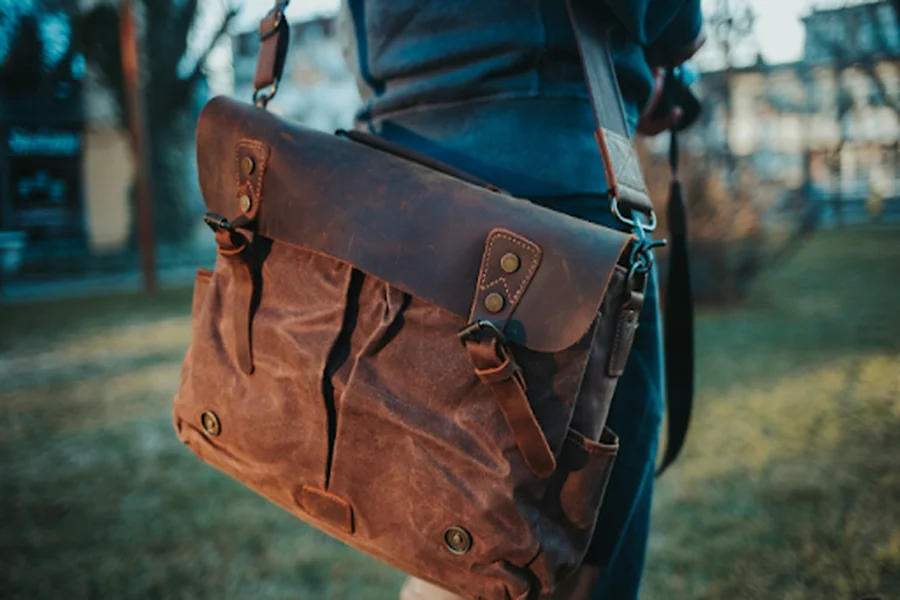
A men’s leather travel backpack is a practical choice for anyone who wants a reliable bag that combines comfort, durability and style. Whether travelling for business, enjoying a weekend away or commuting to work, the right backpack can make carrying everyday essentials easier. Leather offers a smart appearance that suits different occasions, making it a useful option for men who value both function and appearance.
Choosing a suitable backpack involves more than finding an attractive design. Size, storage space, material quality, comfort and security all influence how well a bag performs. Understanding these features can help you select a men’s leather travel backpack that meets your needs and provides lasting value.
Why Choose a Leather Travel Backpack?
Leather backpacks offer a balance between practical storage and a refined appearance. They can complement casual clothing, business outfits and smart travel wear without looking out of place. This flexibility makes them suitable for people who prefer one dependable bag for different activities.
A well-made leather backpack can also withstand regular use. The material is generally strong, although its performance depends on the leather grade, construction, and care it receives. Choosing a carefully made product can help reduce the need for frequent replacements.
Another advantage is its appearance. Leather develops individual marks and changes in colour through regular use, giving the bag a distinctive look. For many owners, this natural character makes the backpack more appealing over time.
Durability and Material Quality
Durability should be a priority when purchasing a leather backpack for men. Travel bags are exposed to frequent handling, changing weather conditions and the weight of everyday belongings. Strong materials and reliable construction help a backpack cope with these demands.
Full-grain leather is often valued for its strength and natural surface. It retains the outer layer of the hide and can develop an attractive finish with use. Top-grain leather is another option, offering a smoother, more consistent appearance. Other leather products may be more affordable, but their durability varies according to their composition and manufacturing quality.
Examine the stitching, seams, handles and attachment points before buying. These areas experience considerable strain, particularly when the backpack carries a laptop, clothing or other heavy items. Reinforced stitching and sturdy fittings can improve reliability.
The lining also deserves attention. A well-finished interior protects belongings and makes the bag easier to maintain. Strong zips and dependable buckles help ensure that compartments remain secure during travel.
Comfort and Carrying Support
A backpack should feel comfortable when worn for extended periods. Even a stylish bag can become inconvenient if its straps dig into the shoulders or its weight is distributed unevenly.
Look for adjustable shoulder straps that allow you to position the bag correctly. Padded straps can reduce pressure, while a cushioned back panel may improve comfort during longer journeys. A supportive design is particularly useful for commuters and frequent travellers who carry their belongings throughout the day.
Weight is another important consideration. Leather can be heavier than some synthetic materials, so compare the empty weight of different models before making a decision. A lightweight design may be preferable if you regularly walk between transport connections or carry your backpack for several hours.
Whenever possible, try the bag on before purchasing it. Check that it sits comfortably against your back and does not restrict movement. The correct fit can make daily travel more manageable.
Storage Space and Practical Features
Good organisation makes a travel backpack more useful. Multiple compartments allow you to separate clothing, documents, electronic devices and personal items instead of placing everything in one large space.

A dedicated laptop sleeve is valuable for business travellers and people who work remotely. Ideally, it should provide padding and hold the device securely. Check the compartment dimensions against your laptop rather than relying only on the advertised backpack size.
Smaller pockets can store chargers, keys, wallets and travel documents. Easy access to these essentials saves time when moving through stations, airports or busy public spaces. However, too many compartments can make a bag unnecessarily complicated, so choose a layout that suits your routine.
Secure closures are equally important. Strong zips, reliable buckles and discreet pockets can help protect belongings. If you carry valuable electronics, consider a design with a padded interior and compartments that are difficult for others to access unnoticed.
Choosing the Right Size and Design
The best backpack size depends on how you intend to use it. A compact bag may be enough for commuting, short business trips and daily essentials. Longer journeys may require additional room for clothing, toiletries and other personal belongings.
Consider the dimensions as well as the stated capacity. A backpack that is too large can become uncomfortable, while one that is too small may force you to carry an additional bag. If you intend to take it on a flight, check the relevant airline’s cabin baggage requirements before travelling.
Design should complement your lifestyle. A minimalist leather backpack can suit office environments and formal clothing. A larger model with several pockets may be more practical for outdoor activities and longer journeys.
Colour is another consideration. Black and dark brown often provide a versatile appearance, while lighter shades can create a more relaxed look. Select a finish that works with your usual clothing and is easy to maintain.
Sustainability and Responsible Purchasing
When considering sustainability, examine how the leather is sourced and processed. Leather is an animal-derived material, and its environmental impact varies according to livestock production, tanning methods, chemical management and manufacturing practices.
Rather than assuming every leather backpack is environmentally friendly, look for clear information about the supplier’s materials and production standards. Responsible sourcing and durable construction can support a more considered purchasing decision.
Buying a bag designed for regular use may also reduce the need for replacements. Repairable straps, replaceable hardware and accessible maintenance services can extend its useful life.
Compare these factors with your budget and priorities. A responsible purchase should offer practical value without relying solely on marketing claims about sustainability.
Leather Backpack Care and Maintenance
Regular care helps preserve the appearance and condition of a leather backpack. Begin by removing dust and surface dirt with a soft, dry cloth. For more noticeable marks, use a suitable leather cleaner and follow the manufacturer’s instructions.
Apply a leather conditioner when needed to help prevent the material from becoming excessively dry. Test products on a discreet area first, as different leather finishes may react differently to cleaning treatments.
Keep the backpack away from prolonged moisture, direct heat and strong sunlight. If it becomes wet, gently remove excess water and allow it to dry naturally in a well-ventilated place. Avoid placing it near heaters, as excessive heat can damage the leather.
When the bag is not in use, store it in a cool, dry area. Empty its compartments and avoid compressing it under heavy objects. These simple habits can help maintain its shape and finish.
Making a Confident Buying Decision
Before purchasing a leather travel backpack for men, compare material quality, storage capacity, comfort, construction and price. Read product descriptions carefully and check the measurements to ensure the bag suits your intended use.
Customer reviews may offer useful information about everyday performance, but consider repeated comments rather than relying on a single opinion. Pay attention to feedback about stitching, strap comfort, zip quality and how the leather responds to regular use.
Check the warranty, return policy and available repairs. These details can provide additional reassurance, particularly when buying a more expensive backpack. A clear warranty and accessible customer support may be valuable if a component fails.
Avoid choosing a bag based on appearance alone. The most suitable option is one that combines an attractive design with practical features and dependable construction.
Conclusion
A leather travel backpack can be a useful investment for men who need a bag for commuting, business trips and leisure travel. Its adaptable appearance, practical storage and potential durability make it suitable for many everyday situations.
The key is to choose carefully. Consider the leather quality, stitching, carrying comfort, compartment layout and overall size before making your decision. Think about maintenance requirements and investigate responsible sourcing where possible.
With the right choice and regular care, a well-made leather backpack can remain a dependable part of your travel essentials for years. Prioritising quality and practical needs will help you find a bag that looks good, carries belongings comfortably and suits your lifestyle.