
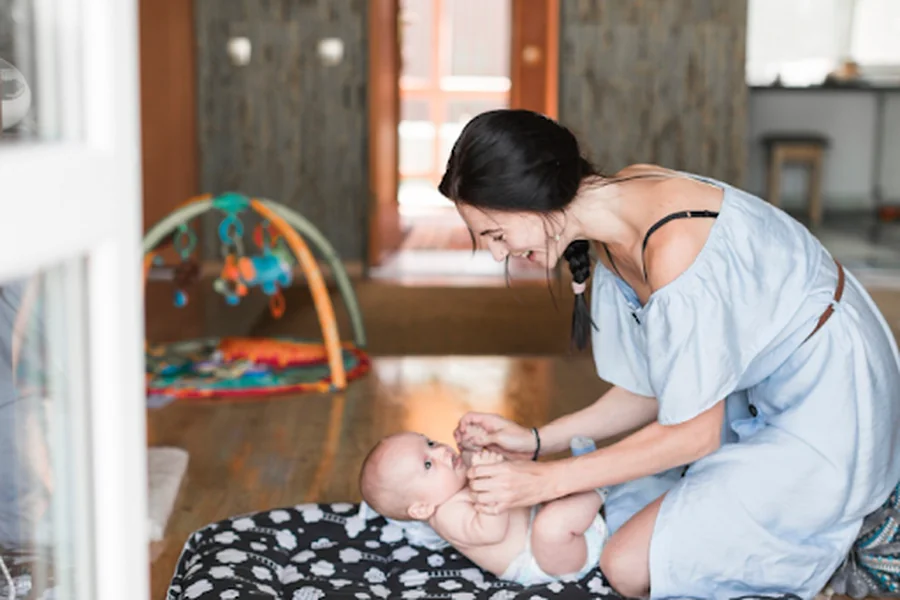
Caring for a baby involves more than meeting basic needs. Parents also want to help their little ones feel safe, comfortable, and loved as they grow. Gentle touch can play an important role in this process, offering opportunities for relaxation and closer bonding. Learning the correct techniques can help parents make massage a comfortable part of their daily care routine.
For parents who want to build their confidence, baby massage training in Singapore provides an opportunity to learn from experienced instructors. These courses explain how to handle an infant gently, recognise signs of comfort or distress, and adapt massage techniques to suit a baby’s needs. With suitable guidance, parents can develop practical skills while making time for meaningful interaction with their child.
Understanding the Benefits of Baby Massage
Baby massage is a gentle practice that encourages physical contact between a parent and an infant. When performed carefully, it can help babies relax and provide a quiet opportunity for parents to connect with them.
One potential benefit is improved relaxation before sleep. Some babies settle more easily after a calm massage, particularly when it forms part of a consistent bedtime routine. However, every infant responds differently, so parents should observe their child’s behaviour rather than expect the same results each time.
Gentle abdominal massage may also provide comfort for some babies experiencing digestive discomfort. Parents should understand that massage is not a guaranteed treatment for colic, constipation, or other medical concerns. Persistent symptoms should be discussed with a qualified healthcare professional.
Another important benefit is bonding. Gentle touch, eye contact, and responsive interaction help parents learn more about their babies. These moments allow caregivers to focus on their child’s reactions and build confidence in responding to individual needs.
Learning Safe and Effective Massage Techniques
Professional instruction helps parents understand how to massage an infant without applying unnecessary pressure. Babies have delicate bodies, so techniques must always be gentle and appropriate for their age and physical condition.
During training, instructors may demonstrate simple strokes for the arms, legs, hands, and feet. Parents can practise these movements under supervision, learning how to support the baby’s body while maintaining comfortable contact.
Gentle strokes across the back may also be introduced, provided the baby’s position is safe and suitable. Abdominal massage requires particular care because pressure must remain light. Parents should never press firmly on the abdomen or attempt techniques that cause discomfort.
Training also explains when massage should be avoided. Parents should not massage areas affected by injuries, swelling, skin irritation, or unexplained pain without appropriate medical advice. Massage should stop immediately if the baby becomes distressed.
Recognising Your Baby’s Cues
Understanding a baby’s signals is one of the most important skills taught in a reputable course. Infants cannot explain their feelings with words, so parents need to pay attention to facial expressions, body movements, sounds, and changes in behaviour.
A relaxed baby may appear alert, maintain comfortable eye contact, and respond positively to gentle touch. Signs of discomfort can include crying, turning away, stiffening the body, spreading the fingers, or becoming unusually unsettled.
Parents should never assume that a baby must complete a massage once it has started. If the infant shows signs of distress, the session should stop. Taking breaks and allowing the baby to lead helps make the experience more comfortable.
Training encourages parents to treat massage as an interaction rather than a fixed routine. By responding to their child’s signals, caregivers can learn when to continue, pause, or try again at another time.
Choosing the Right Time and Environment
The setting can influence how comfortably a baby responds to massage. A quiet, warm room with suitable lighting helps reduce distractions and allows parents to concentrate on their child’s reactions.
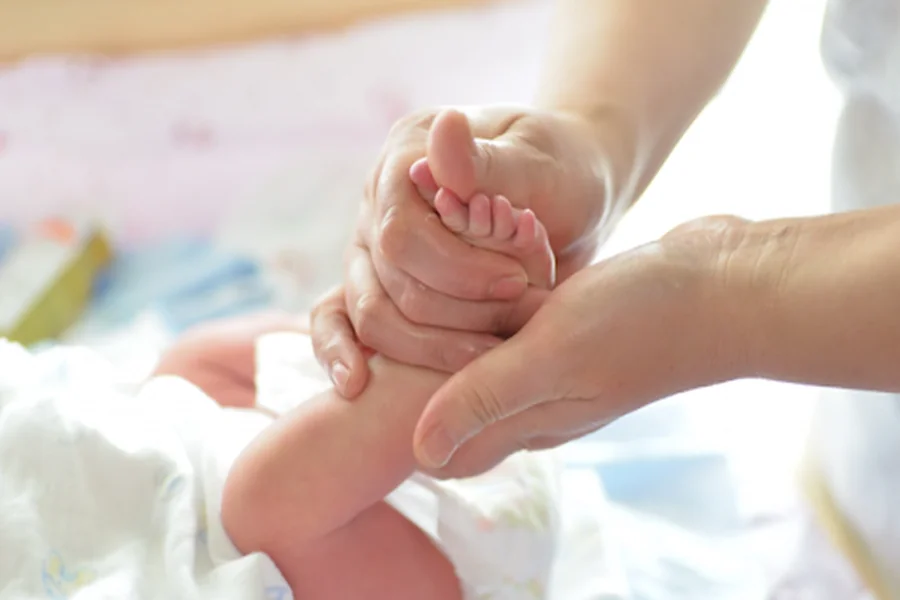
The baby should be comfortable, awake, and settled before a session begins. Massage is generally unsuitable when an infant is hungry, extremely tired, unwell, or crying intensely. Parents should also avoid massaging immediately after feeding, particularly if the baby is prone to vomiting or discomfort.
A soft towel or suitable changing mat can provide a comfortable surface. The room should remain warm enough to prevent the baby from becoming cold, while the supporting surface must be stable and safe.
Parents should prepare everything they need before starting. Clean hands, short fingernails, and suitable skin products can help create a safer experience. If oil is used, it should be appropriate for infant skin, and parents should check for irritation before continuing.
What to Expect from Professional Training
A structured course combines demonstrations, practical exercises, and guidance on infant safety. Instructors explain the purpose of different techniques and show parents how to adapt their movements according to the baby’s responses.
Participants may learn about basic infant anatomy, safe positioning, suitable pressure, and common situations in which massage should be avoided. Practical sessions allow parents to practise movements and receive feedback from the instructor.
Some courses also explain how massage can fit into everyday activities, including quiet play, changing routines, and bedtime preparation. The aim is to help parents develop realistic habits instead of feeling that every session must follow a strict sequence.
Before enrolling, parents should review the instructor’s qualifications, course content, teaching approach, and opportunities for supervised practice. A suitable programme should prioritise infant safety, responsive caregiving, and clear explanations.
The Importance of Qualified Instructors
An experienced instructor can help parents understand the difference between gentle, appropriate touch and movements that may be unsuitable for a young infant. Clear demonstrations and individual feedback can make new techniques easier to learn.
Parents should look for trainers with relevant infant massage education and appropriate experience working with families. They should also check whether the course follows recognised safety guidance and explains when medical advice is necessary.
Some providers offer certificates of attendance or completion. However, certification requirements differ between courses, and a certificate does not automatically establish a professional healthcare qualification. Parents should confirm what any accreditation represents before enrolling.
A good instructor welcomes questions and recognises that babies have different needs. Parents should feel comfortable asking for clarification whenever a technique seems difficult or their child responds unexpectedly.
Building Confidence Through Practice
Learning a new caregiving skill takes time. Parents do not need to master every technique immediately or massage their babies for a long period to make the experience worthwhile.
Short sessions can be enough, particularly when a baby is young or easily distracted. Gradually practising familiar movements allows parents to become more comfortable with positioning, pressure, and timing.
Consistency matters less than responsiveness. Some days, a baby may enjoy several minutes of gentle touch, while on other days, a brief interaction may be more appropriate. Following the child’s cues helps keep the experience positive.
Parents should also remember that massage is only one part of infant care. Feeding, safe sleep, medical check-ups, responsive interaction, and opportunities for development remain essential to a baby’s wellbeing.
Finding Community and Parental Support
Training sessions can provide opportunities for parents to meet others who are learning similar skills. Sharing questions and experiences may help caregivers feel less isolated as they adjust to their responsibilities.
Group classes can also allow parents to learn from different approaches while receiving guidance from an instructor. However, each baby’s needs are individual, so techniques should never be copied without considering safety and comfort.
Parents should rely on qualified professionals for health concerns rather than treating general advice from other families as medical guidance. Supportive communities are most useful when they encourage safe practices and respect different family circumstances.
Making Baby Massage Part of Everyday Care
Baby massage can offer parents a simple way to create calm moments and strengthen their connection with their infants. Professional instruction helps caregivers learn gentle movements, recognise their baby’s cues, and understand important safety precautions.
By choosing suitable baby massage training in Singapore, parents can gain practical knowledge and develop greater confidence in their caregiving routines. The most valuable approach is one that prioritises comfort, follows the baby’s responses, and recognises when professional medical advice is needed.
With patience and regular opportunities for gentle interaction, parents can make massage a positive part of family life without placing unnecessary pressure on themselves or their babies.