
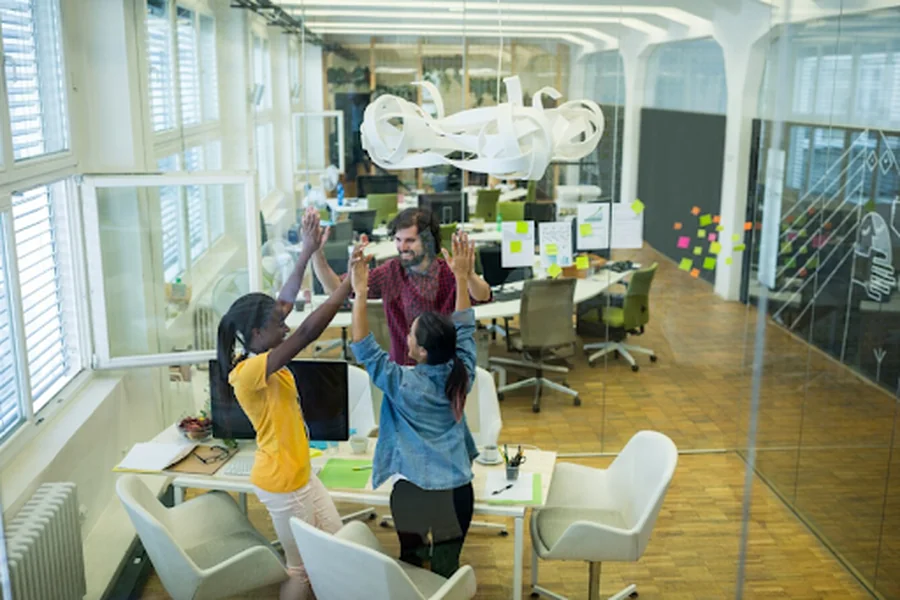
Manila, a dynamic and bustling metropolis, has emerged as a pivotal centre for the burgeoning co-working movement, drawing in a diverse range of entrepreneurs, freelancers, and established businesses alike. The city’s cultural vibrancy and economic potential make it a fertile ground for innovation and creative collaboration. As the demand for collaborative workspaces escalates, the emergence of a versatile co- working space in Manila caters to the evolving needs of this vibrant community.
The Rise of Co-Working Spaces
Co-working spaces represent a significant shift in how work environments are designed and utilised, offering more than just a flexible office. They began as a niche concept but have grown into an essential component of a vibrant global economy. Manila, with its rich cultural tapestry and burgeoning technological infrastructure, serves as a fertile ground for this co-working revolution. What sets these spaces apart from traditional office settings is their emphasis on community, innovation, and adaptability.
In recent years, the rise of remote work and the gig economy has further fuelled the expansion of co-working spaces. This shift is driven by the desire for flexible work environments that cater to the modern professional lifestyle. Co-working spaces in Manila have capitalised on this trend, providing versatile environments designed for collaboration, innovation, and professional growth.
A Nexus of Collaboration and Innovation
Manila’s co-working spaces are more than just hot desks and meeting rooms; they are vibrant ecosystems fostering collaboration and innovation. They offer members access to a diverse network of professionals from various industries, creating an environment conducive to knowledge sharing and cross-sector partnerships. These spaces provide the perfect breeding ground for fresh ideas, new business ventures, and dynamic professional relationships.
At the heart of this collaborative spirit are the networking events, workshops, and seminars regularly hosted within these spaces. By creating a platform for professionals to share their insights and experiences, co-working spaces in Manila not only stimulate innovation but also contribute significantly to professional development.
Flexibility and Adaptability
In a city as dynamic as Manila, the ability to adapt is crucial. Co-working spaces cater to this need by offering flexible membership plans and bespoke office solutions. Whether a start-up requires a short-term desk to test a new market or an established business needs a satellite office, these spaces provide cost-effective solutions without the long-term commitments associated with traditional office leases.
The flexibility inherent in co-working spaces enables businesses to scale rapidly, accommodating fluctuating team sizes and evolving project demands. This adaptability is particularly appealing to start-ups and small businesses seeking to manage growth efficiently without unnecessary overheads.
The Impact on Work-Life Balance
One of the most significant benefits of co-working spaces is their positive impact on work-life balance. By providing amenities such as wellness programs, childcare facilities, and recreational areas, they cater to the holistic needs of professionals. Such amenities contribute to a conducive environment that helps individuals manage stress more effectively, ultimately leading to increased productivity and job satisfaction.
Co-working spaces in Manila excel in this regard, offering a range of services designed to enhance the overall quality of work-life integration. From in-house cafes offering exceptional culinary experiences to recreational facilities that provide a much-needed break from the daily grind, these spaces address the diverse needs of the modern professional.
Sustainable and Inclusive Design
As sustainability becomes a more pressing global concern, co-working spaces in Manila are responding with innovative, eco-friendly designs. Many of these spaces incorporate sustainable materials and technologies, demonstrating a commitment to reducing their environmental footprint. Additionally, they embrace inclusivity in their design, ensuring accessibility for individuals with disabilities and creating a welcoming environment for all.
These efforts reflect a broader trend within the industry to adopt practices that are both socially responsible and sustainable, aligning with the values of increasingly conscientious professionals. Through thoughtful design and operation, co-working spaces contribute to a more environmentally and socially conscious business landscape.
Facilitating Technological Integration
In the fast-paced world of business, technology is a crucial enabler of efficiency and innovation. Co-working spaces in Manila are equipped with state-of-the-art technology and high-speed internet, providing members with the tools they need to succeed in a digital age. Whether it is seamless video conferencing capabilities or advanced collaborative software, these spaces are at the cutting edge of technological integration.
Moreover, co-working spaces often serve as testbeds for technological innovation, offering start-ups a platform to trial new ideas and technologies in a supportive and resource-rich environment. This integration of technology not only enhances the work experience but also drives the growth of digital businesses, helping to position Manila as a hub for innovation and technological advancement.
A Catalyst for Urban Development
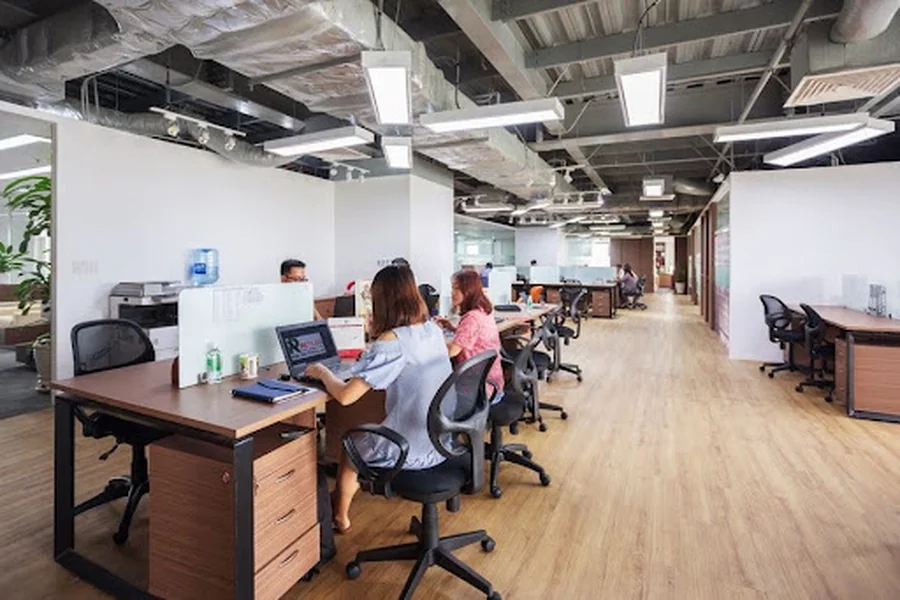
Beyond their economic impact, co-working spaces play a crucial role in urban development by revitalising underutilised areas and contributing to local economies. They often occupy spaces in commercial districts or revitalise older buildings, injecting new life into these areas and drawing in local businesses. The presence of a thriving co-working space can transform entire neighbourhoods, attracting related businesses such as cafes, gyms, and retail outlets, further boosting economic growth.
Manila’s co-working spaces exemplify this transformative power, acting as catalysts for urban renewal and shaping the city’s landscape. As they continue to proliferate, they contribute to a vibrant and dynamic urban economy, bridging the gap between tradition and modernity in an ever-evolving metropolis.
Through their adaptability, focus on collaboration, and commitment to sustainable practices, co-working spaces in Manila not only redefine the concept of a workplace but also play an integral role in the city’s transformation into a global centre for business and innovation.
1 thought on “Navigating the Dynamic Hub: The Evolution of Co-Working Spaces in Manila”