

With various technological advancements improving the quality of life, hearing aids have become indispensable tools for individuals experiencing hearing loss. While these devices provide significant benefits, understanding the investment involved is crucial, as hearing aids cost can significantly impact a person’s decision to purchase them. This exploration delves into the various factors affecting the pricing of these essential auditory devices.
Factors Influencing Hearing Aid Prices
Hearing aid costs stem from multiple layers of technology, design, and service. The primary factors influencing the overall price include the technology level, the brand, and additional features. Customisation options and post-purchase service packages also play a notable role in determining cost.
Technology and Features
The core element affecting hearing aid pricing is the technology embedded in the device. There are generally three tiers: basic, mid-range, and premium.
– Basic hearing aids are typically designed for simpler, everyday environments with limited noise. They come with fewer features and use older technology.
– Mid-range devices provide more sophisticated technology, such as directional microphones, automatic noise adjustments, and basic Bluetooth connectivity, allowing for convenience and improved sound processing.
– Premium models incorporate cutting-edge sound processing technologies, providing enhanced sound clarity even in challenging environments, with features like multi-directional hearing and advanced feedback cancellation. They often support wireless connectivity with smartphones and other devices, enabling users to stream audio directly to their hearing aids.
Customisation and Fit
Another critical factor is the level of customisation required. Hearing aids can be stock, semi-custom, or custom-moulded to fit the individual’s ear perfectly. Achieving an optimal fit often requires more sophisticated moulding processes, which, in turn, add to the cost.
Brand and Reputation
Reputable brands with a history of innovation and quality craft typically set higher prices for their hearing aids. The prestige and reliability associated with established brands often equate to higher product costs, partly due to the comprehensive support and warranty provisions they offer.
Additional Services
Post-purchase services, such as follow-up appointments, maintenance, and adjustments, are frequently bundled with hearing aid purchases. The extent and duration of these services can significantly affect the final price one pays. Some providers offer packages that cover initial calibration, regular adjustments, battery replacements, and repairs. The cost of these service packages is a significant consideration.
Variability in Market Pricing
Price discrepancies in the market are common. Variability arises from differences in regulation, branding, and the nature of competition within the hearing aid market. Often, purchasing options range from direct-to-consumer models, which might offer lower initial prices and fewer in-person services, to models purchased through audiologists, which offer comprehensive packages including extensive support and warranty packages.
Direct-to-Consumer Models
The direct-to-consumer model attempts to reduce hearing aid costs by eliminating the intermediary through online sales platforms. While these models can help reduce costs, they often come with trade-offs in terms of hands-on fitting, customisation, and follow-up services.
Purchase Through Professionals
Purchasing hearing aids from a licensed audiologist typically incurs additional costs due to consultative services included in the package. The higher initial investment reflects the professional’s expertise, fitting services, and long-term support, which are often invaluable for achieving the best hearing outcome.
Implications of Hearing Aids on Quality of Life
Understanding the financial commitment involved with hearing aid purchases is critical, as reflecting on the lifelong benefits of improved hearing health can provide a broader perspective. Hearing aids not only contribute to better hearing but also support social engagement, mental health, career performance, and overall quality of life. When considering hearing aids, it’s essential to weigh the long-term benefits against the upfront financial costs.
Although initial costs can be daunting, many available financing options assist in making these devices attainable for individuals who require them. It is advisable for clients to explore all potential avenues of financial assistance, insurance coverage, and payment plans available to mitigate the cost challenges associated with high-quality hearing aids.
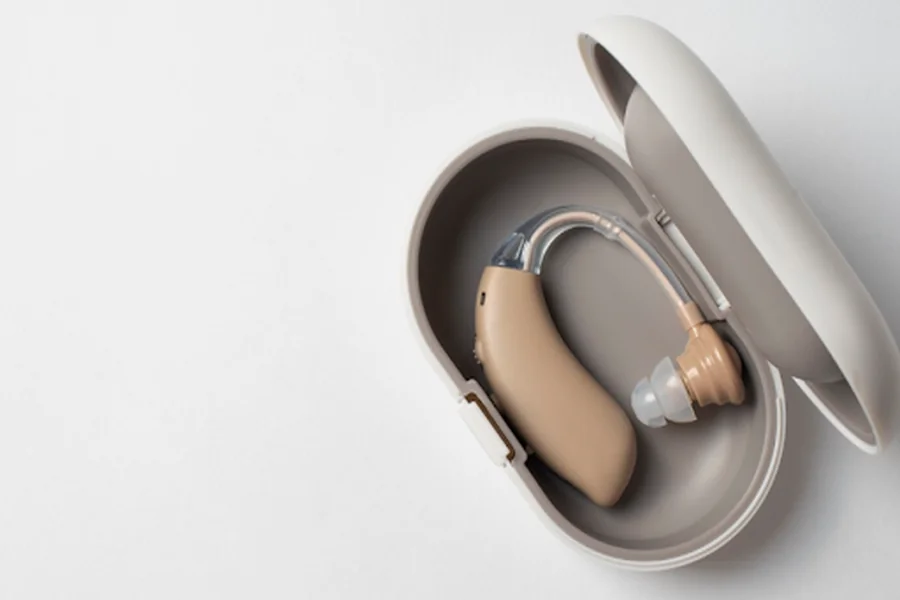
The Evolution of Hearing Aid Technology and Its Prices
Over the years, technological advances have significantly transformed hearing aid functionality and cost. The introduction of digital technology, advanced signal processing, and miniaturisation has allowed for more sophisticated and effective devices, albeit at a higher cost. Increasing competition and demand for feature-rich devices continue to contribute to the pricing dynamics of current hearing aid models.
As technology continues to evolve, future trends may include further advancements in AI-driven sound processing, enhanced connectivity options, and even more impressive miniaturisation. Such progress inevitably shapes future pricing, possibly offering avenues for more cost-effective solutions without compromising on quality or functionality.
By considering all these facets, prospective hearing aid users can make more informed decisions about the best options that align with their needs and budgets. Through careful research and understanding of diverse products, individuals can ensure they select devices that not only meet their auditory needs but also offer viable financial solutions.