
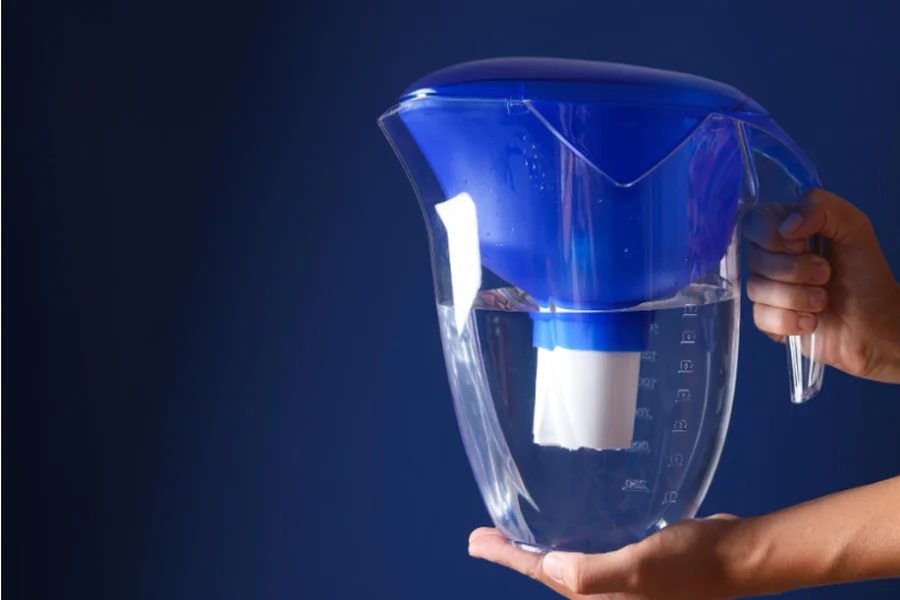
Clean drinking water is an essential part of everyday life. Having access to water that tastes fresh and meets appropriate safety standards helps households prepare meals, stay hydrated and carry out daily activities with confidence. A suitable water purifier can make this process more convenient by treating water before it is consumed.
A EuropAce water purifier in Singapore offers households an option to consider when looking for a convenient water filtration solution. When choosing a purifier, it is important to understand how filtration works, which features suit your household and how much maintenance the system requires. The right choice should balance water quality, ease of use, available space and long-term running costs.
Understanding Water Filtration Technology
Water purifiers use different technologies to reduce unwanted substances in water. The effectiveness of a particular system depends on its filter design, the contaminants it is intended to remove and the quality of the incoming water. Understanding these differences can help homeowners select a product that meets their needs.
Activated carbon is commonly used to improve the taste and smell of water. It can reduce chlorine and certain organic compounds, depending on the filter’s design and certification. This makes it useful for households that want water with a fresher taste for drinking and cooking.
Reverse osmosis is another filtration method. It uses a specialised membrane to reduce many dissolved substances, including certain salts and heavy metals. However, its performance depends on the membrane, system design and maintenance. Reverse osmosis systems may also produce wastewater during operation, so their water efficiency is worth considering.
Some purifiers use ultraviolet light to treat microorganisms. UV treatment can help inactivate certain bacteria, viruses and other microorganisms when the system is correctly designed and operated. However, it does not remove dissolved chemicals or particles by itself.
Not every water purifier combines all these technologies. Before purchasing a EuropAce model, check its specifications to confirm the filtration stages it includes and the contaminants it has been tested to reduce. Independent certification and clear performance information provide more useful evidence than general claims about purification.
Choosing a Design That Fits Your Kitchen
A water purifier should work well within the available kitchen space. Its size, shape and installation requirements can influence where it can be positioned and how easily it can be used.
Countertop models may suit households that want a convenient option without major changes to their existing kitchen. Under-sink systems can keep equipment out of sight, although they require sufficient cabinet space and suitable plumbing connections. Other designs may offer integrated dispensing features for a more streamlined appearance.
When assessing a EuropAce water purifier, measure the intended installation area and check the manufacturer’s requirements. Allow enough space for ventilation where necessary, access to connections and convenient filter replacement. A compact design can be useful in a smaller kitchen, but it should not make cleaning or maintenance difficult.
Appearance is also worth considering. A purifier with a simple finish can complement different kitchen styles without drawing too much attention. More importantly, its controls and dispensing area should be easy to reach, clean and operate.
User-Friendly Features and Everyday Convenience
A water purifier should make daily routines easier rather than adding unnecessary complications. Straightforward controls, clear indicators and accessible dispensing functions can improve the overall experience for different members of a household.
Some models offer digital displays or touch controls that make selecting functions easier. Depending on the product, indicators may show operating status or alert users when maintenance is required. These features can help households keep track of routine care, although users should follow the manufacturer’s instructions rather than relying on an indicator alone.
Temperature options may also be useful. A model that provides different water temperatures can support a range of needs, from preparing warm drinks to filling a glass with cool water. However, temperature settings vary between products, so it is important to confirm which functions are available before buying.
Families with young children may also benefit from suitable safety locks on hot-water dispensing functions, where provided. Such features can reduce the risk of accidental operation but should not replace supervision. Clear controls and sensible placement can make a purifier safer and easier to use throughout the day.
Energy Efficiency and Environmental Considerations
Energy use is an important factor when comparing household appliances. A purifier that heats or cools water may consume more electricity than a basic filtration system, depending on its design and how frequently its temperature functions are used.
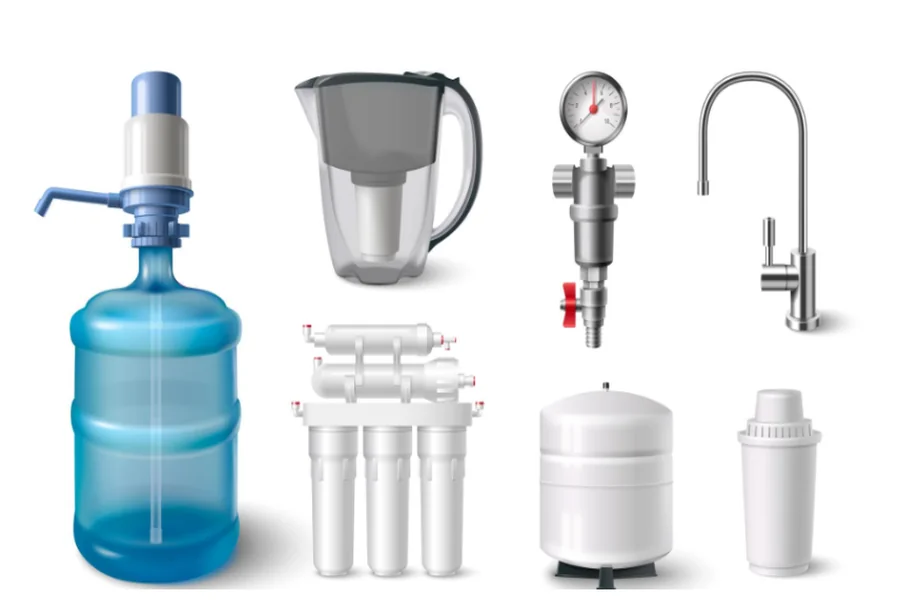
Check the manufacturer’s specifications for power consumption and operating requirements. If the unit includes heating or cooling functions, consider whether these features are necessary for your household. Choosing a model that matches your actual usage can help avoid paying for functions that provide little everyday value.
Filter lifespan is another important consideration. Longer-lasting filters may reduce the frequency of replacement, but the correct replacement schedule depends on the product, water quality and volume of water treated. Filters should be changed according to the manufacturer’s recommendations to maintain performance.
Reducing reliance on single-use plastic bottles may also help households limit packaging waste. Reusable bottles and drinking glasses can make filtered water easier to take to work, school or other activities. However, environmental benefits depend on the purifier’s energy use, filter materials, replacement frequency and overall service life.
How Purified Water Supports Everyday Wellbeing
Water plays an important role in maintaining hydration and supporting normal bodily functions. Having drinking water readily available can encourage household members to drink regularly throughout the day.
A purifier may improve the taste or smell of water when it reduces substances responsible for those qualities. This can make water more appealing to people who dislike the taste of their usual tap water. Filtered water can also be used in cooking, preparing hot drinks and filling reusable bottles.
However, purification does not automatically make every water source safe. The suitability of a treatment system depends on the water supply and the contaminants present. A purifier should be selected based on reliable information about its performance, and it should not be treated as a substitute for addressing a contaminated water source.
Claims that purified water detoxifies the body, improves skin health or prevents specific illnesses should also be approached carefully. Drinking sufficient safe water supports general health, but these additional benefits are not guaranteed simply by using a purifier.
Comparing Quality, Performance and Value
When comparing water purifiers, look beyond the purchase price. The total cost of ownership includes replacement filters, electricity, installation and any required servicing. A model with a lower initial price may cost more over time if its filters are expensive or need frequent replacement.
Check the availability and price of compatible replacement filters before making a purchase. It is also useful to confirm whether filters are easy to obtain and whether the manufacturer provides clear instructions for replacing them.
Performance information should be equally important. Look for specific details about the contaminants reduced, filtration capacity and recommended maintenance schedule. Relevant independent testing or recognised certification can help support claims about water treatment performance.
Build quality, warranty coverage and access to customer assistance also influence long-term value. A purifier that is straightforward to maintain and supported by clear product information may be more suitable than one with numerous features but limited practical support.
Maintenance and After-Sales Support
Regular maintenance helps a water purifier operate as intended. Filters can become less effective as they collect substances from the water, while neglected components may affect water flow, taste or hygiene. Following the recommended maintenance schedule is therefore essential.
Users should keep the dispensing area clean and replace filters using the specified parts. If the purifier has a storage tank, follow the manufacturer’s cleaning instructions. Unusual odours, changes in water taste, reduced flow or warning indicators should be investigated rather than ignored.
Before purchasing a EuropAce water purifier, review the available warranty terms and customer support arrangements. Confirm what the warranty covers, how to request assistance and whether installation or servicing is included. These details can make a difference if the appliance requires attention after purchase.
Conclusion
A suitable water purifier can make access to drinking water more convenient while helping address specific water quality concerns. EuropAce models are worth considering when comparing household filtration options, but the best choice depends on the features and verified performance of each product.
By checking filtration technology, installation requirements, running costs, filter availability and maintenance needs, households can make a more informed decision. A well-chosen purifier should fit the kitchen, support daily routines and provide clear information about its capabilities.
For anyone considering a EuropAce water purifier in Singapore, reviewing the specifications of individual models and confirming the appropriate replacement filters are sensible first steps. The goal is to choose a reliable system that meets the household’s needs and supports convenient access to drinking water every day.