
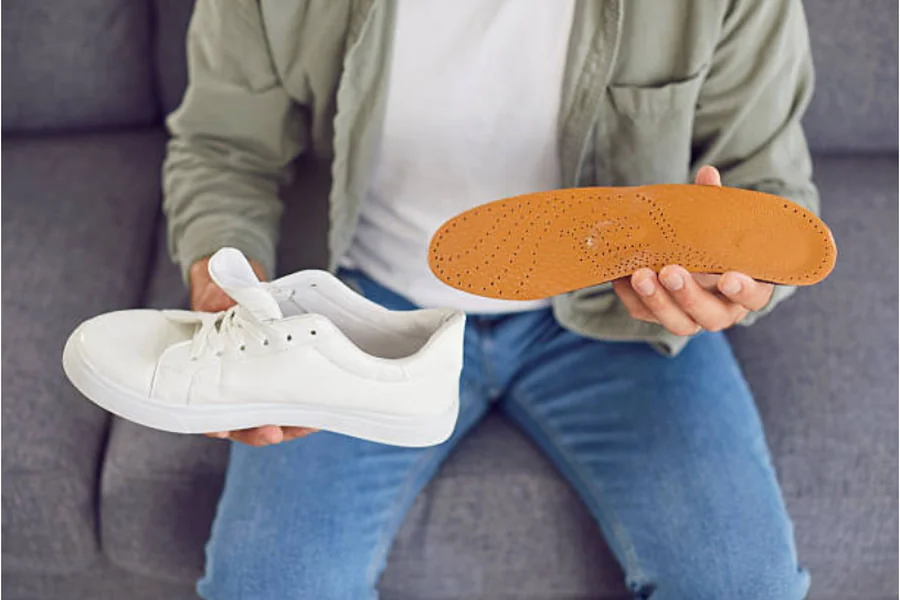
Foot comfort plays an important role in everyday life. Whether walking to work, standing for long periods, exercising or completing household tasks, the feet support the body throughout the day. When footwear does not provide suitable support, discomfort can develop and affect daily activities. Custom made shoe inserts offer a personalised option for people who need additional cushioning, improved foot support or help managing certain foot problems.
Unlike standard insoles, which are produced in general sizes and shapes, custom shoe inserts are designed around an individual’s foot structure and specific needs. They can help improve comfort, support foot function and reduce pressure in areas that experience repeated strain. The right inserts depend on factors such as foot shape, footwear type, activity level and any existing symptoms.
Understanding how custom shoe inserts work can help people decide whether they are a suitable option for their needs.
Understanding Custom Shoe Inserts
Custom shoe inserts, also known as custom orthotics, are specially designed supports placed inside footwear. Their purpose is to improve the way the feet are supported during standing, walking and other activities. Depending on the design, they may provide cushioning, support the arches or help manage pressure across different parts of the feet.
Standard insoles can improve comfort for many people, but they may not provide the right shape or level of support for everyone. Custom inserts offer a more individual approach by taking the wearer’s foot structure, symptoms and daily activities into account.
Some inserts are designed to provide soft cushioning, while others offer firmer support to help control particular foot movements. The best option depends on the reason for using them. A person who spends most of the day standing may need different support from someone who regularly runs or participates in high-impact sports.
Custom inserts should fit comfortably inside the intended shoes without creating excessive pressure or making the footwear too tight.
How Custom Shoe Inserts Are Designed
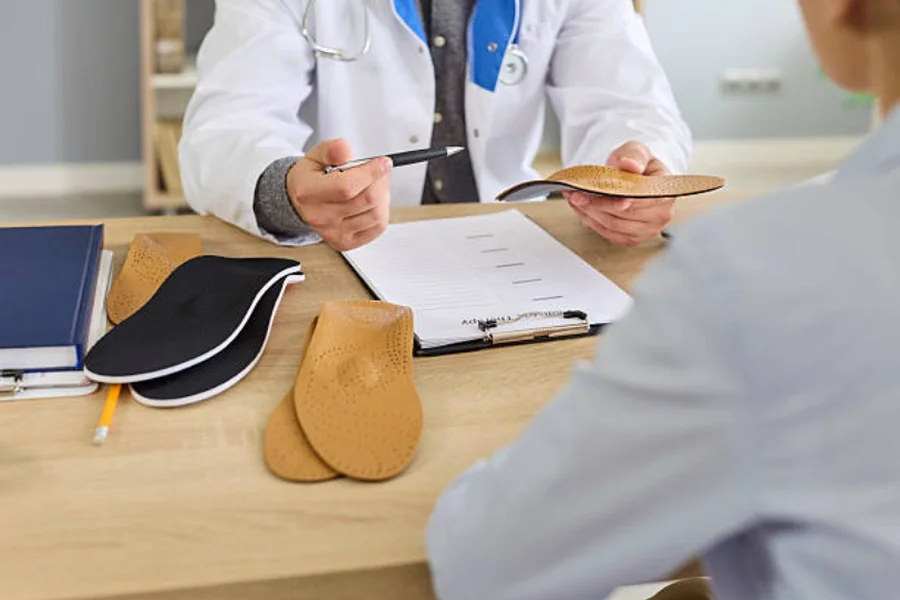
The design process usually begins with an assessment of the feet and the problems the wearer wants to address. A healthcare professional may examine foot shape, joint movement, walking patterns and areas of tenderness. Information about daily activities, footwear and previous discomfort can also help guide the design.
Depending on the assessment, digital scanning, foot impressions, or other measurement techniques may be used to capture the shape of the feet. Some assessments also examine pressure distribution while standing or walking. These methods can help identify areas that may benefit from additional cushioning or support.
The collected information is then used to determine the shape, firmness and structure of the inserts. Materials may include foam, thermoplastic or carbon fibre, depending on the required level of flexibility and support. Softer materials can provide cushioning, while firmer materials may help maintain a particular shape under pressure.
No single material suits everyone. A suitable design should balance comfort, durability, footwear compatibility and the intended purpose of the inserts.
Benefits of Custom-Made Shoe Inserts
One of the main reasons people consider custom shoe inserts is to improve comfort during everyday activities. When inserts are designed to address a specific need, they may help reduce discomfort caused by pressure, provide more suitable support and make standing or walking easier.
However, results vary according to the individual and the condition being managed. Custom inserts are not a guaranteed solution for every type of foot pain, and they may work best alongside appropriate footwear, exercises or other recommended treatments.
Helping Manage Foot Pain
Foot pain can develop for several reasons, including repeated strain, unsuitable footwear and certain structural or medical conditions. Problems such as plantar fasciitis, flat feet and pain around the ball of the foot may sometimes benefit from appropriate footwear changes or orthotic support.
Custom inserts can help redistribute pressure across the foot and provide support where it is needed. This may reduce discomfort during activities that place repeated demands on the feet. The design should be based on an assessment rather than an assumption that every painful foot requires the same type of insert.
Persistent pain, swelling, numbness or difficulty walking should be assessed by a suitable healthcare professional. Inserts may help manage symptoms, but identifying the underlying cause remains important.
Supporting Sports and Physical Activities
Running, jumping and other sports can place considerable pressure on the feet. People who train frequently may look for inserts that improve comfort and provide suitable support during movement.
Custom orthotics may help some athletes manage particular foot problems and tolerate activity more comfortably. The design can take account of the sport, training frequency, footwear and areas of discomfort. For example, running shoes may require a different insert design from shoes used for court sports.
Custom inserts do not automatically improve speed, endurance or athletic performance. Their main purpose is to address individual support needs and improve comfort where appropriate. Athletes should also pay attention to training intensity, recovery, footwear condition and movement technique.
Promoting Foot and Lower Limb Support
The position and movement of the feet can influence how forces travel through the ankles and legs. For some people, suitable orthotic support may help manage foot movement and reduce discomfort associated with particular activities.
Custom inserts may also be considered when foot problems contribute to symptoms affecting the ankles, knees or other areas. However, pain in these regions can have many causes, so inserts should not be assumed to correct every alignment issue.
A professional assessment can help determine whether orthotic support is appropriate and whether other measures, such as strengthening exercises or changes to activity, are also needed.
Choosing Inserts for Individual Needs
Custom shoe inserts should reflect the wearer’s specific requirements rather than follow a standard design. People with high arches may need support that accommodates their foot shape, while those who experience pressure beneath the forefoot may benefit from a design that helps redistribute loading.
People with diabetes require particular care because reduced sensation or circulation problems can increase the risk of unnoticed foot injuries. Suitable footwear and pressure management are important, and orthotic decisions should be guided by an appropriately qualified healthcare professional.
Work demands also influence the choice of inserts. Someone who stands for extended periods may prioritise cushioning and stability, while a person who walks long distances may need a design that fits comfortably throughout the day.
The inserts must also match the shoes. A supportive insert that is too thick or wide can cause crowding, rubbing or discomfort. Bringing frequently worn footwear to an assessment can help ensure that the final design is practical.
The Importance of Professional Assessment
A professional assessment can help establish whether custom shoe inserts are necessary and what type may be appropriate. Podiatrists and other suitably qualified professionals can assess foot function, discuss symptoms and recommend suitable options based on the individual’s needs.
The assessment may include examining the skin, joints, arches and walking pattern. The professional may also ask about work routines, sporting activities, footwear preferences and previous treatments. This information helps create a more complete understanding of the problem.
After the inserts are supplied, a gradual adjustment period may be recommended. Wearing them for shorter periods at first can help the feet adapt, depending on the professional’s advice. If the inserts cause persistent pain, rubbing or skin irritation, the wearer should seek a review rather than continue using them without adjustment.
Regular reviews can also help determine whether the inserts remain suitable as activity levels, footwear or physical needs change.
Understanding the Cost of Custom Shoe Inserts
Custom shoe inserts generally cost more than standard insoles because they may require professional assessment, individual design and specialised fabrication. The final price depends on the materials, complexity of the design, services included and the provider’s fees.
When comparing prices, it is helpful to ask what the quoted amount covers. Some services may include follow-up appointments or adjustments, while others may charge separately. Understanding these details makes it easier to compare options fairly.
Although the initial expense can be higher, custom inserts may offer value to people who need specific support that standard insoles do not provide. However, a higher price does not automatically mean a better result. The design should be appropriate for the person’s needs, and the expected benefits should be explained clearly.
People considering orthotics for a medical condition can check whether their insurance policy provides any cover or reimbursement.
Maintaining Custom Shoe Inserts
Proper care helps keep custom shoe inserts clean and in good condition. Follow the manufacturer’s cleaning instructions, as different materials may require different methods. Avoid soaking inserts or exposing them to direct heat unless the instructions specifically allow it.
Allowing inserts to dry properly after use can help reduce moisture build-up. It is also useful to inspect them regularly for cracks, flattening, damaged coverings or changes in shape.
Replacement needs vary according to material quality, frequency of use, body weight, activity level and changes in foot condition. Rather than replacing every pair according to a fixed schedule, arrange a review if the inserts become uncomfortable, visibly worn or less effective.
Making the Right Choice for Long-Term Comfort
Custom made shoe inserts can provide personalised support for people who need help managing foot discomfort or improving footwear comfort. Their effectiveness depends on selecting a suitable design, ensuring a proper fit and using them for the right purpose.
By considering individual needs, seeking professional advice and maintaining the inserts carefully, wearers can make more informed decisions about foot support. The goal is not simply to add cushioning but to find a practical solution that supports comfortable movement and everyday activities.