
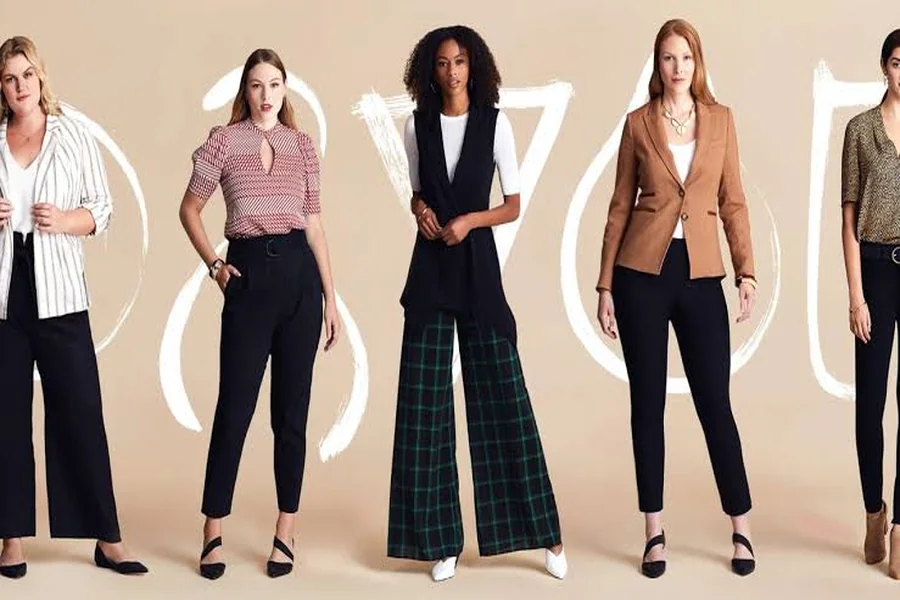
Understanding how body types differ can help people recognize their natural physical characteristics and make informed decisions about clothing, fitness, and everyday lifestyle choices. Every individual has a unique body structure influenced by genetics, skeletal development, muscle distribution, and body fat patterns. Some people naturally have broader shoulders, while others have wider hips, narrower waists, or more evenly distributed proportions. These differences create several commonly recognized body types and body shapes. Although people often use these categories to describe physical appearance, no classification can explain every individual perfectly. Learning about body differences is more useful when it encourages self-awareness, realistic expectations, and appreciation of natural physical diversity.
What Are Body Types and Why Do They Differ?
Body type refers to the general physical structure and characteristics of an individual’s body. It can describe skeletal proportions, muscle development, fat distribution, and overall body shape. People differ because their genetic backgrounds and biological characteristics are not identical. Even individuals from the same family can have noticeably different physical structures. Lifestyle factors such as nutrition, exercise, sleep, and daily activity can also influence body composition over time. In fashion, body types are often discussed through proportions such as shoulders, bust, waist, and hips. In fitness, traditional classifications describe broader physical characteristics. Both approaches provide useful information, but neither should be treated as a strict definition of someone’s abilities or appearance.
Main Ways Different Body Types Are Classified
There are two popular approaches to understanding physical differences. One focuses on natural body shapes and proportions, while the other uses traditional fitness classifications.
1. Ectomorph Body Type
The ectomorph category is traditionally associated with a naturally slim frame, narrower shoulders, and relatively lean limbs. People described by this classification may find it more challenging to gain muscle mass compared with some other individuals. However, muscle development depends on several factors, including genetics, nutrition, resistance training, and recovery. Someone with a naturally slender build can still develop considerable strength through consistent exercise. The ectomorph classification is part of a traditional somatotype system rather than a definitive scientific description of human bodies. It should be considered a general reference instead of a permanent label that determines physical potential.
2. Mesomorph Body Type
The mesomorph category is commonly associated with a naturally athletic-looking structure, relatively broad shoulders, and noticeable muscle development. Some individuals with these characteristics may respond well to resistance training and develop muscle relatively easily. However, fitness results vary according to exercise experience, nutrition, recovery, genetics, and consistency. Not everyone described as a mesomorph has the same proportions or physical abilities. This category is frequently used in fitness discussions to explain general physical characteristics, but it cannot accurately predict someone’s strength, endurance, or health. Individual training needs should always be based on personal abilities and goals rather than a traditional body type label.
3. Endomorph Body Type
The endomorph category is traditionally associated with a broader or rounder physical structure and a tendency to carry more body fat. Some people described by this classification may have fuller body proportions or wider hips and shoulders. However, fat distribution varies considerably between individuals and can be influenced by genetics, hormones, nutrition, and physical activity. This classification does not mean someone cannot build muscle, improve endurance, or achieve personal fitness goals. The endomorph category is a simplified description rather than a complete explanation of metabolism or body composition. Sustainable lifestyle habits are more useful than relying on labels when planning fitness and nutrition routines.
4. Combination Body Types
Many people do not fit neatly into one traditional body type category. An individual may have a naturally slim upper body with stronger legs or an athletic frame with a softer midsection. These combinations are normal because human physical characteristics exist along a broad spectrum. Genetics, skeletal structure, muscle distribution, and lifestyle all contribute to these differences. Instead of trying to identify with only one classification, it is more helpful to understand your actual physical characteristics. This approach provides a realistic perspective on body diversity and prevents unnecessary comparisons. Traditional categories can be useful starting points, but they should never limit personal goals or expectations.
How Body Shapes Differ in Physical Proportions
Body shape classifications focus mainly on the relationship between the shoulders, bust, waist, and hips. These measurements create several recognizable silhouettes, particularly in fashion and personal styling.
1. Hourglass Body Shape
The hourglass shape generally features balanced shoulder and hip proportions with a noticeably defined waist. Bust and hip measurements are often similar, creating a balanced overall silhouette. People with this figure may prefer fitted tops, wrap dresses, and belted clothing because these designs follow their natural proportions. However, individual measurements can vary significantly. Some people have fuller busts, while others have wider hips or different waist proportions. The hourglass category simply describes a general body silhouette. It does not determine fitness, attractiveness, or overall health, and clothing choices should always reflect personal comfort.
2. Pear Body Shape
The pear body shape typically features hips that are wider than the shoulders and bust. The waist may appear relatively defined, while the lower body has more volume than the upper body. This silhouette is also known as a triangle shape in fashion terminology. A-line dresses, flowing skirts, and straight-leg trousers are common styling options for people with these proportions. However, the pear shape can look different depending on height, muscle development, and natural skeletal structure. It is simply one way of describing body proportions and should not be considered a standard that determines how someone should dress.
3. Apple Body Shape
An apple body shape generally features a fuller midsection and less noticeable waist definition. The shoulders or bust may appear broader compared with the hips, although proportions vary between individuals. Some people with this figure have relatively slim legs, while others have more evenly distributed body volume. Relaxed-fit tops, flowing dresses, and comfortable waistlines are popular clothing options. Understanding this category can make it easier to identify clothing preferences and suitable garment cuts. However, the apple shape does not indicate a person’s health or fitness level. Every individual has unique physical characteristics that deserve appreciation.
4. Rectangle Body Shape
The rectangle body shape usually features relatively similar measurements across the shoulders, waist, and hips. This creates a straighter silhouette without a significant difference between the upper and lower body. People with this figure may prefer tailored jackets, layered outfits, high-waisted trousers, or belted dresses to experiment with different styling effects. However, simple straight-cut clothing can also complement these proportions. The rectangle shape is particularly useful in fashion discussions because it describes a balanced relationship between different body measurements. It does not mean that someone lacks natural curves or has a particular fitness level.
5. Inverted Triangle Body Shape
The inverted triangle shape generally features shoulders or bust measurements that are wider than the hips. This creates a broader upper-body appearance and a relatively narrower lower body. Some individuals with this figure also have athletic-looking shoulders and slimmer hips. V-neck tops, A-line skirts, and wide-leg trousers are popular styling options. These garments can create different visual proportions depending on personal preferences. However, not everyone with broader shoulders has an identical silhouette. Natural skeletal structure and muscle distribution contribute to individual differences. Understanding this category can make clothing decisions easier without creating unnecessary restrictions on personal style.
Factors That Influence Body Type Differences
Several biological and lifestyle factors explain why people’s bodies develop differently. Genetics play a major role in determining skeletal structure, natural proportions, and fat distribution. Hormones influence muscle development and how the body stores fat throughout different stages of life. Age can also affect body composition, metabolism, and muscle mass. Nutrition and physical activity influence strength, endurance, and overall composition. Sleep and recovery are important for maintaining physical well-being as well. These factors work together, meaning no single characteristic completely determines someone’s body type. Understanding their influence helps people develop realistic expectations and focus on habits that support their individual needs.
How to Identify Your Natural Body Type
Identifying your general body shape starts with measuring your shoulders, bust, waist, and hips using a flexible measuring tape. Compare these measurements to understand which areas are wider, narrower, or relatively balanced. You can also observe your natural silhouette in a full-length mirror while standing comfortably. For additional guidance, online resources such as Bodytypecalc can help you compare your measurements and identify a possible body shape category. Remember that online calculators provide general estimates rather than professional assessments. Your results should be treated as useful references, not permanent labels. Body composition and proportions can also change naturally over time.
Final Thought
Learning how body types differ provides a better understanding of natural physical diversity and individual characteristics. Some people have naturally slim frames, while others have broader structures, athletic builds, or different body proportions. These differences are influenced by genetics, lifestyle, skeletal structure, and several biological factors. Traditional body type and body shape classifications can help explain general patterns, but they cannot describe every individual perfectly. Rather than comparing yourself with others, focus on understanding your own physical characteristics and making choices that support your comfort and well-being. Every body is different, and those differences are a normal part of human diversity.
FAQs
- Why do body types differ between individuals?
Body types differ because of genetics, skeletal structure, muscle distribution, hormonal influences, age, and lifestyle factors that contribute to individual physical characteristics.
- What are the three traditional body types?
The three traditional somatotypes are ectomorph, mesomorph, and endomorph. They describe general physical characteristics but are not strict scientific classifications.
- What are the five common body shapes?
The five commonly recognized body shapes are hourglass, pear, apple, rectangle, and inverted triangle. They describe different proportions between the shoulders, bust, waist, and hips.
- Can someone have characteristics of multiple body types?
Yes, many individuals have characteristics associated with more than one category. Human bodies are diverse, and traditional classifications cannot describe every physical structure perfectly.
- Does genetics determine your body type?
Genetics strongly influence skeletal structure, natural proportions, and fat distribution. However, lifestyle, age, hormones, and physical activity can also influence body composition.
- Can body type change throughout life?
Yes, muscle development, fat distribution, and overall body composition can change because of aging, hormonal changes, pregnancy, nutrition, and physical activity.
- Is one body type healthier than another?
No single body type automatically represents better health. Overall well-being depends on several factors, including physical activity, nutrition, sleep, medical history, and individual health conditions.