
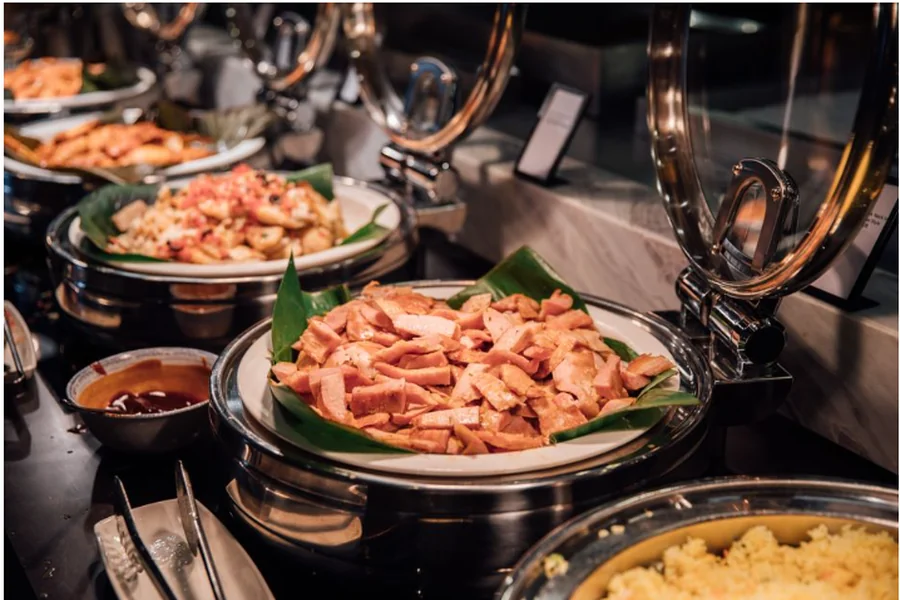
In Singapore, a city renowned for its gastronomic diversity, the hotel buffet stands as an emblematic culinary experience that locals and tourists alike cherish. The idea of a hotel buffet in Singapore conjures up images of lavish spreads, multi-course meals, and a tapestry of flavours that reflect the multicultural tapestry of the nation. Hotel buffets here aren’t just about variety and volume; they are about the artistry of gourmet excellence and the culinary story they narrate.
The Cultural Significance of Buffets
Buffets in Singapore serve as a microcosm of the nation’s multicultural ethos. Just as the island embraces a confluence of ethnicities, its buffets offer a deep dive into a melting pot of cuisines. From lofty rooms with panoramic views where diners indulge in delectable Chinese dim sum to elegant settings that showcase rich Peranakan dishes, these buffets tell stories that go beyond mere food. They are about celebrating harmony in diversity, where each dish represents a cultural narrative, passed down through generations.
Variety that Transcends Expectations
Stepping into a hotel buffet in Singapore is akin to embarking on a global culinary tour without leaving the city’s confines. The staggering variety presented in these venues underscores Singapore’s reputation as a culinary capital. High-end hotels offer exquisite selections ranging from traditional Malay delicacies like beef rendang to sophisticated French patisserie, each crafted with careful attention to authentic recipes and modern twists. This seamless blend of local and international cuisines ensures that there is something to satiate every palate while broadening culinary horizons.
The Role of Local Ingredients
While variety and international flair are significant features, the focus on local ingredients sets Singapore’s hotel buffets apart. Many establishments pride themselves on sourcing ingredients from sustainable local farms, thereby ensuring freshness and supporting regional producers. Seafood, a staple in many buffets, often includes local favourites such as chilli crab and laksa, both using fresh shellfish to create indulgent and robustly flavoured dishes. This commitment to local produce not only bolsters community relationships but also provides an educational insight into sustainable eating practices.
Innovative Culinary Experiences
Hotel buffets in Singapore are more than just a place to eat; they provide immersive culinary experiences that captivate and excite. Many hotels have taken bold, innovative steps to elevate the buffet concept. Open kitchens allow diners to witness the skilled chefs at work, adding a theatrical touch to their dining experience. Interactive stations, where chefs prepare dishes on demand, add a personal touch, allowing guests to customise dishes according to their preferences. Live music and thematic décor further enhance the ambience, turning a simple meal into a memorable occasion.
Signature Dishes and Unique Offerings
Certain buffets are celebrated for their signature offerings, drawing both locals and tourists keen to partake in iconic culinary delights. There are buffets featuring an opulent sashimi spread, complete with a range of fresh sushi, skillfully crafted by expert chefs. There are also those renowned for offering a dedicated Peranakan station, where rich, spicy dishes inspired by the Straits Chinese heritage are served, leaving customers yearning for more. Such unique offerings distinguish each establishment, making buffets not just about quantity, but about discovering distinctive tastes.
Dining Etiquette and Reservations
Dining at hotel buffets in Singapore also comes with its own set of etiquette, reflecting the city’s sophisticated dining culture. Although buffets encourage sampling, waste minimisation is emphasised. Diners are encouraged to take smaller portions with the option of returning for more. Most restaurants require reservations due to their popularity, smartly managing capacity to ensure a delightful, uncrowded dining experience for everyone.
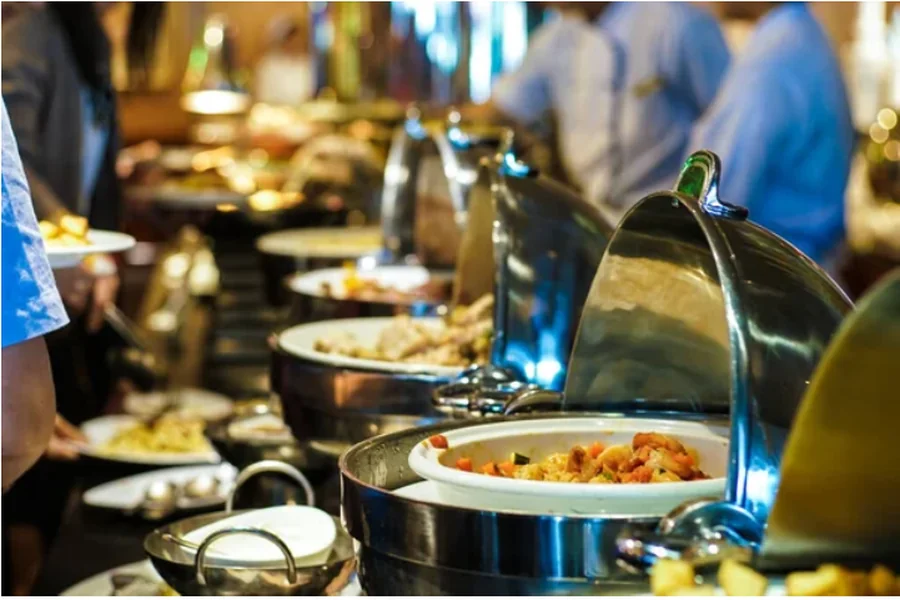
Evolution of the Buffet Experience
Over the years, the concept of buffets in Singapore has evolved significantly. What was once perceived simply as an indulgence has now transformed into an arena for culinary artistry and innovation. Hotels constantly remodel their buffet offerings, driven by the latest gastronomic trends, ensuring that patrons have novel experiences each visit. Seasonal themes, such as festive offerings during the Chinese New Year or Mid-Autumn Festival, provide unique, culturally rich dining experiences that honour the city’s traditions.
Economic and Social Impact
The economic significance of hotel buffets in Singapore’s hospitality industry cannot be overstated. They are a thriving facet of the hotel business model, attracting not only hotel guests but also local patrons celebrating special occasions or enjoying a casual weekend brunch. Socially, they provide spaces for family gatherings, business meetings, and intimate celebrations, fostering connections through the universal language of food. By providing employment to chefs, waitstaff, and numerous support roles, these buffets also play a crucial part in the local economy.
Sustainability and Future Trends
The future of hotel buffets in Singapore is increasingly interwoven with sustainability efforts. Recognising the global imperative to reduce food wastage and carbon footprints, many hotels are implementing measures such as composting excess food, utilising energy-efficient equipment, and sourcing from eco-friendly suppliers. The trend towards healthier options and plant-based diets is also steering buffets towards including more vegetarian and vegan options without sacrificing the culinary quality for which Singapore is renowned.
Thus, a veritable array of culinary styles and flavours converges within these buffets, creating a unique dining spectacle that is both reflective of Singapore’s rich history and indicative of its dynamic future. The hotel buffet in Singapore encapsulates these trends, offering an experience that is not only about indulgence but also about a profound appreciation for food as a cultural and social entity.