
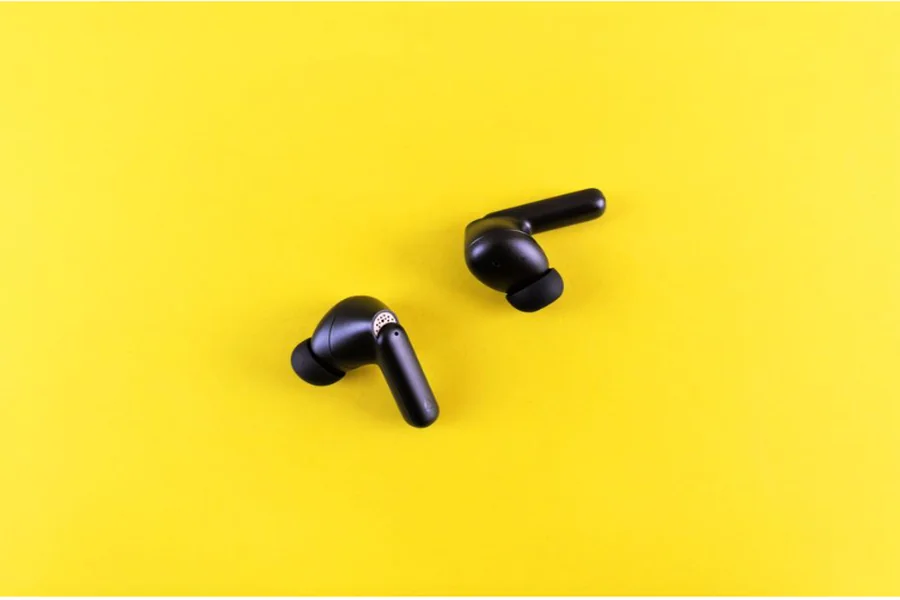
In the fast-paced world of technology, wireless earbuds have emerged as a revolutionary development, promising unparalleled freedom and a superior audio experience. These compact devices have come to represent convenience and innovation in personal audio systems, and they continue to evolve, offering features once unimaginable. Visit the JBL online store for more details on available options.
The Unfolding History of Earbuds
The journey of earbuds began with tethered versions that, while compact, were encumbered by wires that restricted movement and often tangled frustratingly. The shift towards wireless technology marked a substantial leap forward, largely driven by advancements in Bluetooth connectivity and miniaturisation of components. From simple sound output devices, earbuds have metamorphosed into sophisticated gadgets equipped with an array of functionalities.
Technology Underpinning Wireless Earbuds
At the core of wireless earbuds is Bluetooth technology, facilitating seamless communication between the earbuds and the source device. This wireless transmission of data has been refined over successive Bluetooth versions, enhancing the range, speed, and quality of audio delivery. Modern iterations support high-fidelity sound, significantly improving the user experience.
Moreover, the inclusion of various audio codecs like aptX, AAC, and SBC plays a crucial role in determining sound quality. These codecs compress and decompress digital audio data, allowing efficient data transfer without compromising audio quality. This technological harmony ensures that users enjoy rich, immersive sound from their wireless earbuds.
Features Enhancing the User Experience
Wireless earbuds have transcended their basic functionality to offer an impressive array of features. Noise cancellation, both active and passive, has become a hallmark of high-end models. Active noise cancellation (ANC) employs advanced algorithms and microelectronics to neutralise ambient sounds, offering an unobstructed listening experience. Passive noise cancellation, on the other hand, relies on the physical design of earbuds to block out external noise.
Additionally, integrated smart assistants like Siri and Google Assistant have turned earbuds into virtual personal assistants. With simple voice commands, users can manage playlists, set reminders, or perform quick online searches without reaching for their phones. The incorporation of sensors that detect when the earbuds are in use and pause or play audio accordingly also contributes to a seamless experience.
Ergonomics and Design Innovations
The design of wireless earbuds has seen continual refinement, addressing comfort and fit. Engineers meticulously craft earbuds to fit snugly in the ear canal, preventing them from falling out during various activities, from jogging to commuting. Customisable ear tips and fins cater to diverse ear shapes and sizes, enhancing comfort during extended wear.
Furthermore, the aesthetic appeal of earbuds has become increasingly important as they double as fashion accessories. Brands offer a range of colours, shapes, and finishes, ensuring users can select a model that complements their personal style.
Battery Life and Charging Solutions
A critical aspect of wireless earbuds is battery life, with manufacturers striving to extend usage time with every new model. Many earbuds now feature rapid charging capabilities, offering hours of use from just a short charge. Charging cases, which store additional power, enable users to recharge on the go, effectively eliminating concerns about battery depletion.
These cases often serve a dual purpose, protecting earbuds when not in use and charging them simultaneously. Innovations such as wireless charging further add to the convenience, allowing cases to be powered by simply placing them on a compatible charging pad.
Connectivity and Range Considerations
The effectiveness of wireless earbuds is intrinsically tied to their connectivity. A strong and stable connection is essential for consistent audio performance. As Bluetooth technology advances, the operational range of earbuds has increased, granting users the freedom to move without experiencing dropouts.
The latest models have significantly reduced latency, a key factor in the synchronisation of audio with video, essential for those using earbuds for streaming content. This has broadened the appeal of wireless earbuds beyond just music listening to include gaming and multimedia streaming.
Impact on Lifestyle and Culture
Across various spheres of daily life, wireless earbuds have made their mark, transforming how people interact with technology and their surroundings. They facilitate a hands-free, clutter-free existence, integrating seamlessly into modern lifestyles. Whether during a commute, workout, or at work, these devices offer an uninterrupted audio companion, making them indispensable for many.
In the context of phone conversations, wireless earbuds have improved accessibility and clarity. Features such as beamforming microphones and noise isolation ensure that calls are clear, even in noisy environments. This functionality has bolstered their use in professional settings, enhancing communication efficiency.

Environmental and Health Considerations
The shift towards wireless devices has also spotlighted environmental concerns. Companies are increasingly using sustainable materials in the manufacturing process and adopting recycling programmes to alleviate the ecological impact of earbuds.
Health considerations are also paramount. Prolonged use of earbuds requires attention to safe listening practices to prevent hearing damage. Volume-limiting capabilities and educational initiatives on safe listening habits are becoming standard, underscoring the industry’s commitment to user health.
The Future of Earbuds Technology
The trajectory of wireless earbuds suggests continued innovation, with developers pushing boundaries in terms of sound quality, feature integration, and material sustainability. The potential incorporation of biometric sensors could enable health tracking and fitness monitoring, embedding earbuds further into the fabric of daily life.
As technology evolves, so too does the expectation of seamless integration with various aspects of digital ecosystems. The prospect of earbuds interfacing with smart home devices or even extending augmented reality capabilities is on the horizon, promising an exciting future for personal audio technologies.
The story of wireless earbuds is one of remarkable progression, reflecting broader trends in technological advancement and consumer demands. These devices exemplify how technology can redefine simple concepts and enrich everyday experiences.