
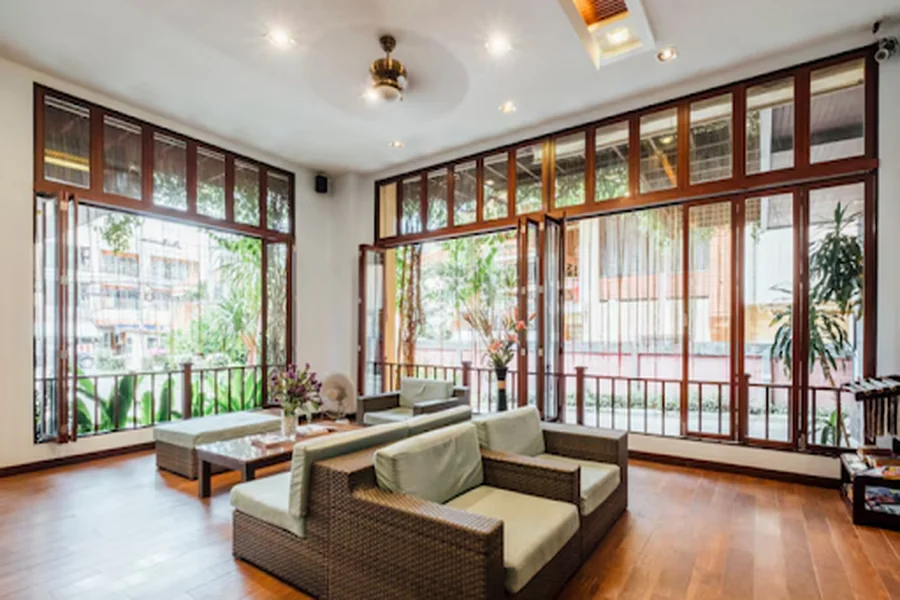
Designing a landed home in Singapore involves more than creating an attractive building. It requires careful planning to make the most of the available land while providing enough space, comfort, and privacy for the people living there. With changing lifestyles and growing interest in sustainable architecture, Singapore landed house design continues to develop through a combination of modern features, practical layouts, and thoughtful connections with nature.
Landed properties offer homeowners greater freedom to customise their living spaces compared with many apartment developments. However, this flexibility also comes with responsibilities. Architects and designers must consider land dimensions, building regulations, weather conditions, and the specific needs of each household. The result should be a home that looks appealing while remaining practical for everyday use.
The Evolution of Landed House Architecture in Singapore
Landed houses have long been associated with spacious living and private outdoor areas in Singapore. During the colonial period, residential architecture included influences such as verandas, pitched roofs, large windows, and gardens. These features were suited to the tropical climate and provided ways to enjoy natural ventilation and shaded outdoor spaces.
Over time, architectural preferences changed as homeowners began adopting contemporary styles and new construction methods. Traditional details were gradually combined with cleaner lines, open layouts, and modern materials. Today, landed homes can feature minimalist designs, large glass panels, open staircases, and carefully planned landscaping while still incorporating elements that respond to Singapore’s architectural heritage.
This development reflects a wider change in how homeowners view their properties. A house is no longer simply a place to sleep and store belongings. It is also a space for working, entertaining, relaxing, and spending time with family.
Modern Design Trends and the Use of Natural Light
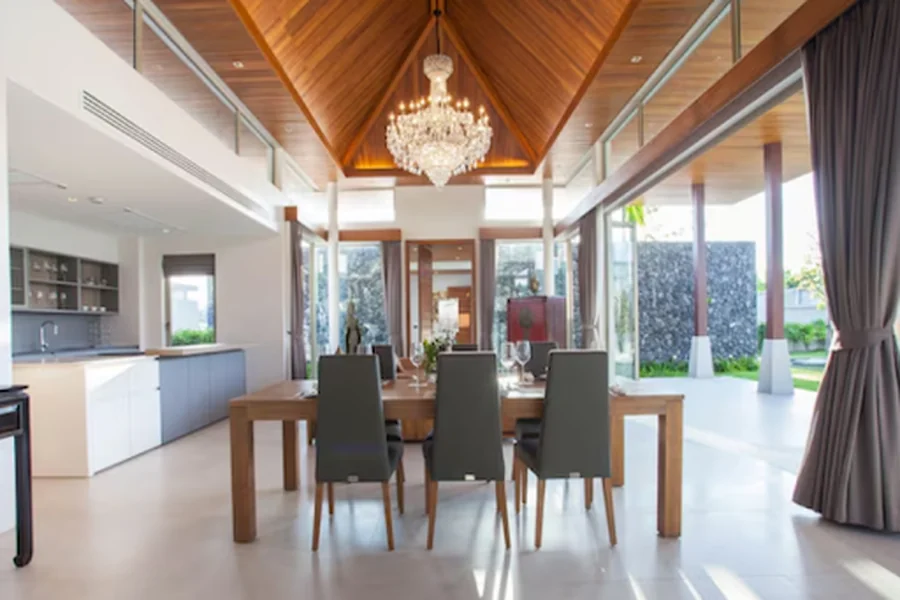
Contemporary landed homes often focus on creating bright, open, and comfortable interiors. Open-plan living areas are popular because they allow the kitchen, dining room, and living room to connect more naturally. This arrangement can make a home feel more spacious and encourage interaction among family members.
Natural light is another important design consideration. Large windows, skylights, and glass doors can bring daylight into interior spaces, reducing the need for artificial lighting during the day. They can also create a stronger visual connection between indoor areas and gardens or courtyards.
However, Singapore’s tropical climate requires careful management of sunlight and heat. Large glass surfaces may increase indoor temperatures if they are not properly designed. Architects can address this through shading, suitable glazing, roof overhangs, and thoughtful window placement. These features help maintain a comfortable indoor environment without sacrificing the benefits of natural light.
Working Within Singapore’s Land and Building Regulations
One of the main challenges of designing a landed property in Singapore is making effective use of a limited plot of land. Unlike homes in locations with larger residential lots, landed houses must be planned around specific site conditions and applicable development requirements.
Architects need to consider factors such as building height, setbacks, site coverage, access, and other planning controls. The relevant requirements depend on the property’s location, zoning, landed housing category, and site characteristics. Some developments may also involve conservation or other special restrictions.
These considerations influence the building’s layout, number of storeys, and placement of outdoor areas. A design that looks suitable on paper may need adjustments to comply with the applicable regulations.
Early consultation with qualified professionals is therefore important. Architects and other specialists can review the property, identify potential limitations, and develop a design that makes good use of the site while meeting the necessary requirements.
Bringing Smart Technology Into Everyday Living
Technology has become an increasingly common feature of modern residential design. Smart home systems allow homeowners to manage selected household functions through mobile applications, voice commands, or automated settings.
Lighting controls can adjust brightness according to the time of day, while smart air-conditioning systems may help maintain comfortable indoor temperatures. Security features such as digital door locks, surveillance cameras, and motion sensors can also provide additional convenience and monitoring.
The placement of these systems should be considered during the design stage rather than added as an afterthought. Proper wiring, network coverage, equipment locations, and compatibility between devices can make the technology easier to use and maintain.
Building Information Modelling, commonly known as BIM, also supports the planning process. It allows project teams to develop digital building models containing information about structural components, materials, and building systems. This can help architects, engineers, and contractors coordinate their work, identify potential conflicts, and make adjustments before construction progresses.
Designing Flexible Spaces for Different Family Needs
Singaporean households have different living arrangements, making flexibility an important part of landed house design. Some homes accommodate several generations, while others need dedicated spaces for children, home offices, guests, or elderly family members.
A flexible layout allows rooms to serve different purposes as household needs change. A spare bedroom may function as a study during the week and become a guest room when relatives visit. Sliding partitions can separate areas when privacy is needed and open them up when more shared space is preferred.
Multi-generational homes may also benefit from considering accessibility from the beginning. Wider circulation areas, appropriately designed bathrooms, and bedrooms located on convenient levels can make everyday movement easier for older residents.
The goal is to create a home that can adapt over time rather than requiring major renovations whenever family circumstances change. This makes flexibility a practical long-term investment.
Choosing Materials That Suit the Tropical Climate
Material selection has a major influence on the appearance, durability, and maintenance needs of a landed house. Singapore’s warm, humid conditions and frequent rainfall mean that materials must be selected with local weather exposure in mind.
Concrete, stone, timber, metal, and glass are commonly used in contemporary residential architecture. Each offers different visual and practical qualities. Stone can provide a natural texture, while timber introduces warmth to interior and exterior spaces. Concrete creates a clean, modern appearance, and glass helps connect indoor areas with the surrounding environment.
However, materials must be suitable for their intended applications. Exterior finishes should be able to withstand moisture and weather exposure, while timber may require appropriate treatment and maintenance. Good ventilation and moisture management are also important in reducing the risk of dampness and related problems.
Sustainable material choices can further improve a project’s environmental performance. Responsibly sourced timber, recycled materials, and durable finishes may help reduce waste and the need for frequent replacement. The most suitable options depend on availability, cost, performance, and the overall design.
Making Outdoor Areas Part of the Home
Gardens, courtyards, balconies, and rooftop terraces can make landed properties more enjoyable by providing outdoor spaces for relaxation and family activities. These areas also help create a connection between the building and its natural surroundings.
A courtyard can bring daylight into the centre of a home, while a landscaped garden may provide a quiet place to unwind. Rooftop terraces can offer additional outdoor space when the building’s design and applicable regulations allow them.
Landscaping should consider more than appearance. Plant selection, drainage, sunlight exposure, and maintenance requirements all influence how well an outdoor area performs over time. Choosing suitable tropical plants can help create greenery that is better adapted to local conditions.
Water features may also be included to create a relaxing atmosphere. However, they need proper circulation, cleaning, and maintenance. In Singapore’s climate, outdoor areas should be designed to manage heavy rainfall and avoid water accumulation.
Building More Sustainable Landed Homes
Sustainability is becoming an important consideration for homeowners planning new builds or major renovations. Energy-efficient lighting, suitable insulation, natural ventilation, and well-positioned windows can help reduce energy consumption while improving indoor comfort.
Solar panels may also be considered where roof orientation, available space, structural requirements, and project costs make them suitable. Rainwater collection systems can support certain non-potable uses when designed and maintained appropriately.
Good environmental design begins with understanding how the home responds to its surroundings. Shading, ventilation, landscaping, and material choices can all contribute to a more comfortable living environment. These features should work together rather than being treated as separate additions.
Creating a Home That Balances Style and Function
Designing a landed house in Singapore requires a balance between personal preferences, practical requirements, and long-term considerations. Modern architecture provides many opportunities to create distinctive homes, but the most successful projects are those that respond to the people who will use them.
Through careful space planning, suitable materials, smart technology, flexible layouts, and thoughtful outdoor design, homeowners can create properties that support changing lifestyles. By combining contemporary ideas with an understanding of Singapore’s climate, land conditions, and architectural character, landed homes can remain comfortable, functional, and visually appealing for many years.