
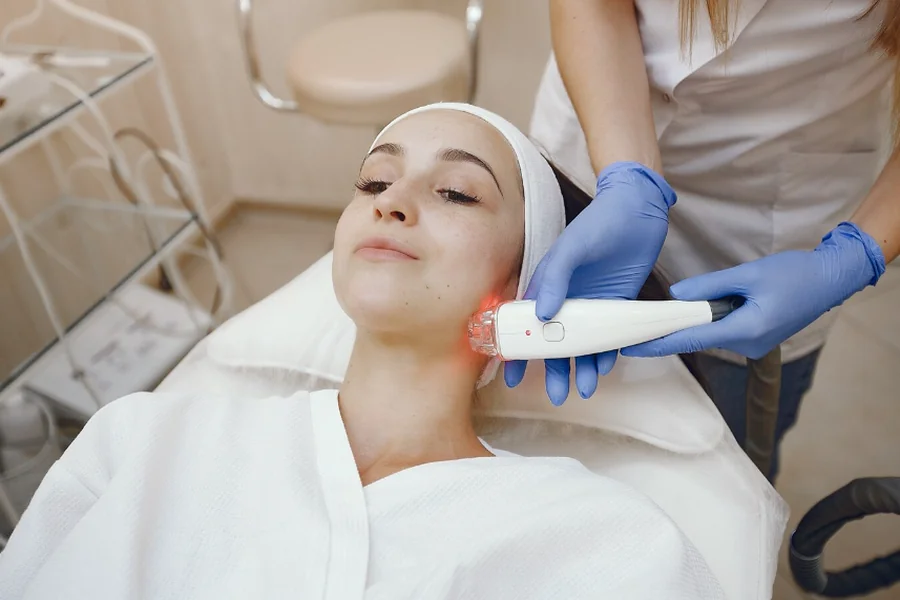
Acne scars can have a significant impact on an individual’s confidence and self-esteem. In recent years, there have been remarkable advancements in dermatological treatments that offer promising solutions to this common concern. Among these, acne scar laser treatment has emerged as a game-changer due to its efficacy and safety profile.
Understanding Acne Scarring
Acne scarring occurs when severe acne blemishes penetrate the skin deeply, damaging the tissues beneath. When the acne clears, the body attempts to repair the damage, but this process does not always result in smooth skin, leading to various forms of scars. There are several types of acne scars, including atrophic scars (such as ice pick, boxcar, and rolling scars) and hypertrophic scars, each requiring specific approaches for effective treatment.
Different Types of Laser Treatments
Laser treatments have gained popularity as a minimally invasive method to reduce the appearance of acne scars. These procedures work by using focused light technology to resurface the skin, stimulating the production of collagen and promoting cell regeneration.
Ablative Lasers
Ablative lasers, such as carbon dioxide (CO2) lasers and erbium lasers, are effective in removing the outer layers of damaged skin. This type of laser treatment is beneficial for deeper scars, as it targets both the surface and the underlying skin structures. The process encourages the formation of new skin that is smoother and less scarred. Recovery from ablative laser treatment typically involves significant downtime because of the invasive nature of the procedure.
Non-Ablative Lasers
Non-ablative lasers, such as pulsed dye lasers and Nd: YAG lasers, focus on stimulating collagen production without damaging the surface of the skin. Suitable for milder scarring, these lasers offer a less intense alternative with reduced recovery time. The skin improvements are gradual as new collagen forms over several sessions.
Fractional Laser Technology
Recent innovations have introduced fractional laser technology, a cutting-edge approach that combines elements of both ablative and non-ablative treatments. Fractional lasers create microthermal zones that penetrate deep into the dermis while leaving surrounding tissues intact. This method significantly reduces recovery time while providing impressive results. Due to its precision, fractional laser treatment can target specific scarred areas without affecting the entire skin surface.
Benefits Over Traditional Methods
While other treatments, such as chemical peels, microdermabrasion, and dermal fillers, provide temporary or surface-level improvements, laser treatments offer longer-lasting and more profound results by targeting the deeper skin structures. Unlike procedures that only offer short-term fixes, laser technology can lead to permanent skin texture improvements and more even skin tones.
Safety and Side Effects
Though generally safe, laser treatments do carry some risks, such as redness, swelling, itching, and changes in skin pigmentation. Proper post-care, including sun protection and moisturisation, is crucial to minimise these effects and enhance the healing process. Consulting with a qualified dermatologist or skincare specialist is essential to determine the most appropriate treatment and manage any potential risks effectively.
Who is an Ideal Candidate?
Laser treatment is ideal for those with realistic expectations seeking to improve the appearance of acne scars. However, individuals with active acne, certain skin types, or medical conditions might not be suitable candidates. It’s important to undergo a thorough assessment to tailor the treatment to individual needs and skin types.
Cost Considerations
The cost of laser treatments for acne scars can vary widely depending on the type of laser used, the number of sessions required, and the geographical location of the clinic. While the initial investment might be higher compared to other methods, the long-lasting results and confidence gained can make it a worthwhile investment for many individuals.
The Future of Acne Scar Treatment
As technology continues to evolve, the future of acne scar treatment will likely see even more personalised and effective options. Advances in laser technology, combined with innovations in artificial intelligence and personalised medicine, promise to deliver tailored treatment plans that optimise results for individual skin types and scar patterns.
Emphasising Expert Care
Selecting a reputable clinic that offers professional and comprehensive care is paramount in achieving the best outcomes with laser treatments. An experienced dermatologist will not only recommend the most suitable type of laser treatment for your specific scars but also guide you through the pre-treatment preparations and post-treatment care necessary to ensure optimal results.
Post-Treatment Care and Lifestyle Adjustments
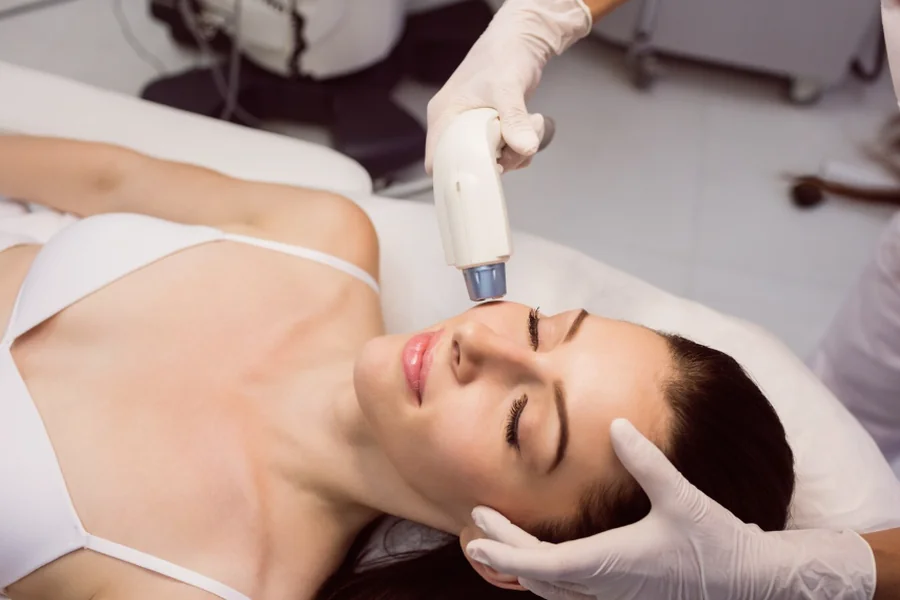
After undergoing laser treatment, adhering to recommended skincare routines, avoiding sun exposure, and maintaining a healthy lifestyle are vital to support skin recovery and maintain results. Incorporating gentle skincare products, hydration, and a balanced diet can aid the healing process and promote overall skin health.
In conclusion, laser treatments provide an effective method for reducing the appearance of acne scars and improving skin texture. With their ability to stimulate natural healing and collagen production, these treatments offer hope for those seeking long-term solutions to acne scars. As technology advances, individuals will find even more options tailored to their unique skin needs, revolutionising the way we approach skincare and self-confidence.