
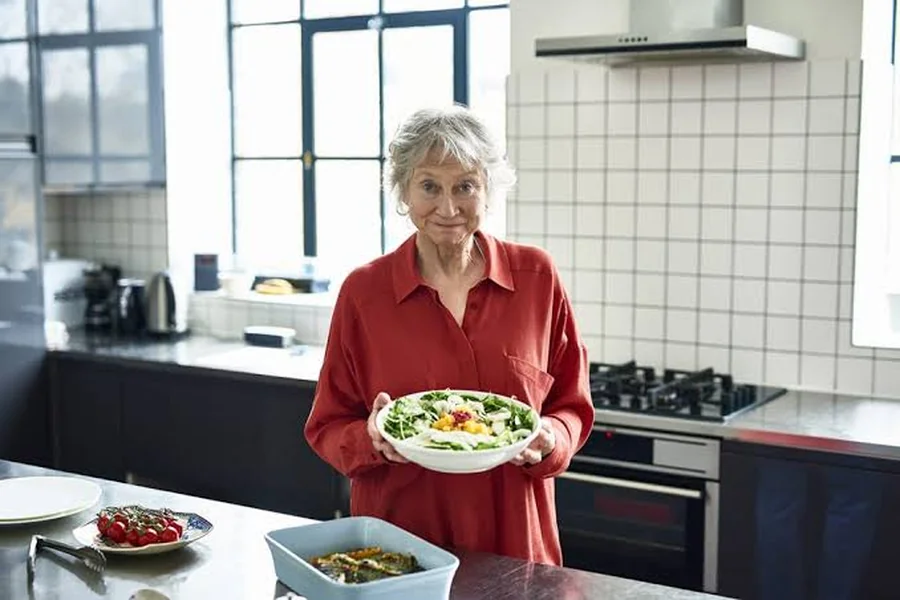
Aging brings a unique set of changes to our bodies, routines, and overall lifestyle. Navigating these shifts requires adapting our daily habits, especially when it comes to what we put on our plates. Implementing effective healthy eating tips for seniors is not just about weight management; it is about preserving physical independence, sharpening cognitive function, and fueling the body to enjoy the golden years to the fullest. As metabolism slows and muscle mass naturally decreases, every single calorie consumed needs to be packed with high-quality nutrients. Adapting to a senior-focused diet can feel slightly overwhelming at first, but making small, intentional adjustments yields incredible, long-lasting benefits. A well-balanced diet minimizes the risk of chronic illnesses such as heart disease, type 2 diabetes, and osteoporosis while simultaneously maximizing daily energy levels. Furthermore, the act of eating is deeply tied to our social and emotional well-being. Sharing a nutritious meal with family or friends can combat loneliness and elevate our mood, proving that healthy habits nourish both the physical body and the emotional spirit. Making conscious, proactive food choices today allows older adults to maintain their strength and mobility, ensuring they can continue participating in the activities and hobbies they love.
Why Nutrition Changes as We Age
As individuals enter their sixties and beyond, the body undergoes several physiological transformations that directly impact nutritional requirements. First and foremost, the basal metabolic rate gradually slows down. This physiological shift means older adults require fewer calories to maintain their current weight compared to their younger selves. However, the need for essential vitamins and minerals does not decrease—in fact, it often increases. This creates a unique challenge where seniors must consume more nutrient-dense foods without overeating calories. Filling a dinner plate with empty calories from highly processed foods simply leaves no room for the vital nutrients the body demands for daily cellular repair and immune defense.
Another significant change involves the digestive system. The stomach produces less gastric acid over time, which can significantly impair the body’s ability to extract and absorb vital nutrients like vitamin B12, calcium, and iron from whole foods. Additionally, a natural slowing of the gastrointestinal tract can lead to uncomfortable and frequent issues such as constipation, making dietary fiber an absolute, non-negotiable necessity. Liver and kidney functions may also change as the years pass, altering how the body processes both food and necessary prescription medications.
Sensory changes also play a major role in shaping daily dietary habits. As we age, our taste buds and olfactory senses can diminish, making once-favorite foods taste bland or unappealing. This sensory decline often leads to an over-reliance on added salt and processed sugar to enhance flavor, which can negatively affect blood pressure and blood sugar levels over time. Furthermore, many older adults take multiple prescription medications that can further alter taste, dry out the mouth, or suppress appetite entirely. Understanding these biological shifts is the critical first step in formulating a comprehensive dietary plan that works in harmony with the aging body rather than fighting against it.
Essential Nutrients for Older Adults
Prioritizing specific, high-impact nutrients is a cornerstone of senior health and longevity. While a balanced diet is critical at any age, older adults must pay special, focused attention to a few key areas to maintain optimal physiological function and aggressively prevent age-related physical decline.
Protein is absolutely essential for preserving lean muscle mass, which naturally deteriorates with age in a process known as sarcopenia. Adequate daily protein intake helps prevent physical frailty, supports robust immune function, and promotes significantly faster recovery from illness, surgery, or injury. Lean meats, poultry, wild-caught fish, eggs, legumes, and Greek yogurt are excellent, highly bioavailable sources that should be integrated into every single meal. Spreading protein intake evenly throughout the day—rather than consuming it all at one large dinner—is far more effective for continuous muscle protein synthesis.
Bone health becomes a primary medical concern as bone mineral density decreases, making dietary calcium and vitamin D vital components of a senior’s daily diet. While dairy products like milk, hard cheese, and plain yogurt are traditional, easily accessible sources of calcium, leafy green vegetables, almonds, and fortified plant-based milks are fantastic, heart-healthy alternatives. Vitamin D, which actively aids in gastrointestinal calcium absorption, can be synthesized through moderate sunlight exposure, but dietary sources like fatty fish, egg yolks, and fortified breakfast cereals are crucial, especially in dark winter months or for older individuals with severely limited outdoor mobility.
Vitamin B12 is another critical micronutrient that requires focused attention. Because stomach acid naturally decreases with age, absorbing B12 from natural food sources like red meat and dairy becomes increasingly difficult. This specific vitamin is strictly vital for proper nerve function and the body’s production of healthy red blood cells. Many seniors benefit greatly from consuming heavily fortified foods, such as certain whole-grain cereals and nutritional yeasts, or speaking directly with a healthcare provider about B12 dietary supplements to effectively prevent severe deficiency and chronic fatigue.
Omega-3 fatty acids and potassium are equally important for comprehensive senior health. Omega-3s, found abundantly in wild salmon, walnuts, and flaxseeds, actively help reduce systemic joint inflammation and robustly support cognitive function, potentially delaying the onset of age-related memory issues. Potassium, found in bananas, sweet potatoes, and dark spinach, helps tightly regulate systemic fluid balance and keeps blood pressure levels safely within a healthy, doctor-recommended range.
Fiber and hydration work seamlessly hand-in-hand to ensure proper, pain-free digestive health. Older adults naturally have a significantly diminished sense of thirst, meaning they can easily become dangerously dehydrated without even realizing it. Chronic dehydration can quickly lead to mental confusion, painful urinary tract infections, and severe, chronic constipation. Drinking fresh water consistently throughout the day, along with consciously consuming water-rich foods like crisp cucumbers, watermelon, and clear broths, is imperative. Pairing aggressive hydration with a high-fiber diet full of unprocessed whole grains, fresh fruits, and fibrous vegetables ensures the entire digestive system runs smoothly and actively helps regulate post-meal blood sugar levels.
Overcoming Common Dietary Challenges
Even with the absolute best intentions, maintaining a pristine, healthy diet can be obstructed by several practical, emotional, and physical challenges that are distinctly unique to older adulthood. Recognizing and proactively addressing these roadblocks is absolutely essential for long-term nutritional success and completely preventing dangerous nutritional deficiencies.
Dental issues are a highly prevalent and often overlooked barrier to healthy eating. Poorly fitting dentures, painful missing teeth, or general oral discomfort can make chewing tough cuts of meat, hard raw vegetables, or crusty artisan breads painful and incredibly difficult. To successfully bypass this barrier, seniors can smartly modify the texture of their daily food. Steaming or roasting vegetables until they are perfectly fork-tender, opting for soft ground meats or flaky baked fish instead of tough whole cuts, and heavily blending fresh fruits into nutrient-packed breakfast smoothies can make eating enjoyable, effortless, and entirely pain-free again.
Appetite loss is another exceptionally common hurdle faced by the elderly. Whether stemming directly from complex medication side effects, underlying clinical depression, or simply a much less physically active lifestyle, a chronic lack of hunger can rapidly lead to unintended weight loss and dangerous clinical malnutrition. Rather than forcing down three uncomfortably large, heavy meals a day, transitioning to five or six much smaller, highly nutrient-dense mini-meals can be a much more manageable and pleasant routine. Casually adding healthy, calorie-dense fats like extra virgin olive oil, sliced avocado, or a generous spoonful of natural peanut butter to these smaller meals can easily increase daily caloric and nutritional intake without adding any excessive, unappetizing volume to the plate.
Budgetary constraints and the sheer physical fatigue of daily cooking can also rapidly derail the best healthy habits, especially for seniors living strictly on fixed retirement incomes or those living completely alone. The daunting prospect of preparing a complicated, multi-step meal for just one single person often understandably leads to relying heavily on highly processed, high-sodium convenience foods. Furthermore, the heavy emotional toll of cooking for one after losing a lifelong spouse or living far away from extended family can completely sap the motivation to prepare elaborate, healthy meals. Overcoming this requires highly strategic grocery shopping and leaning heavily into available community resources. Utilizing modern grocery delivery services can completely eliminate the severe physical exhaustion of walking massive store aisles and carrying heavy grocery bags, making fresh, healthy ingredients far more accessible and appealing.
Practical Meal Planning Strategies
Implementing deeply sustainable healthy eating habits requires practical, everyday kitchen strategies that vastly reduce the daily friction of cooking and grocery shopping. Consistent meal planning is one of the single most effective organizational tools for seniors to ensure they constantly have effortless access to nutritious food throughout the week without ever feeling overwhelmed by the burden of daily preparation.
Batch cooking is a truly tremendous time and physical energy saver. Dedicating one afternoon to preparing much larger portions of healthy staple dishes—such as hearty vegetable and bean soups, rich lean meat stews, whole-grain casseroles, or simple grilled chicken breasts—and efficiently storing them in individual, freezer-safe glass containers ensures that a hot, highly nutritious home-cooked meal is always available in mere minutes. This smart system practically minimizes the dangerous temptation to skip important meals entirely or turn to unhealthy, sodium-rich fast food on difficult days when physical energy levels are exceptionally low.
Fully embracing frozen and canned produce is another highly intelligent and practical strategy. Frozen vegetables and berries are professionally picked and immediately flash-frozen exactly at their peak ripeness, meaning they completely retain their full, uncompromised nutritional profile. They are also usually conveniently pre-chopped, saving highly valuable kitchen prep time and drastically reducing the physical strain on aging hands and arthritic joints caused by repetitive knife slicing. When selecting convenient canned goods, it is absolutely crucial to carefully read the printed nutrition labels. Seniors should strictly opt for vegetables clearly labeled “no salt added” and canned fruits carefully packed in pure water or their own natural juice rather than heavy, sugary commercial syrups.
Simplifying daily breakfast and afternoon snacks can also powerfully set a positive, energetic tone for the entire day. Plain rolled oatmeal is an incredibly inexpensive, high-fiber breakfast option that can be endlessly customized with healthy walnuts, chia seeds, and fresh berries for added crunch and superior flavor. For afternoon snacks, actively keeping easy-to-grab, healthy options readily on hand—like a wrapped piece of low-fat string cheese, a small handful of unsalted almonds, or pre-cut cantaloupe melon—provides a fast, reliable energy boost and successfully keeps blood sugar perfectly stable between major meals. Consistently making food visually appealing by intentionally incorporating a highly colorful, bright variety of fresh ingredients can also naturally stimulate a stubbornly diminished appetite.
FAQs
What are the best foods for boosting energy in seniors? Complex carbohydrates combined directly with lean proteins are the most effective dietary way to maintain steady, reliable energy levels. Oatmeal, cooked quinoa, baked sweet potatoes, and whole-grain breads provide lasting physical fuel, while actively pairing them with hard-boiled eggs, plain Greek yogurt, or mixed nuts effectively prevents sharp blood sugar spikes and subsequent exhaustion crashes.
How much water should a senior drink daily? While individual hydration needs constantly vary based on total body weight, daily physical activity level, and specific prescription medications, a very reliable general guideline is to actively aim for about eight 8-ounce glasses of clean water a day. Warm herbal teas, low-sodium bone broths, and highly water-rich fruits like fresh watermelon also contribute significantly to successfully reaching this crucial daily hydration goal.
Can seniors improve their immune system through diet? Absolutely. A daily diet exceptionally rich in natural antioxidants, essential vitamins, and vital minerals directly supports and actively strengthens the body’s immune system. Fresh citrus fruits, brightly colored bell peppers, dark berries, leafy spinach, and various foods naturally high in zinc, such as raw pumpkin seeds and cooked lentils, are excellent, proven dietary choices for robustly bolstering natural immune defenses against illness.
Are dietary supplements necessary for older adults? While it is practically always best to diligently obtain daily nutrients directly from unprocessed whole foods, specific supplements can be highly beneficial if there are recognizable gaps in a senior’s daily diet. Vitamin D, calcium, and B12 are easily the most commonly recommended supplements by gerontologists, but it is strictly essential to openly consult with a primary care physician before casually starting any brand new supplement regimen.
How can I make food taste better without using salt? Because natural human taste buds can significantly dull with advancing age, creatively enhancing meal flavor is incredibly important for actively maintaining a healthy appetite. Instead of automatically reaching for the refined salt shaker, seniors should boldly experiment with fresh or dried aromatic herbs, warm spices like ground turmeric and cumin, fresh squeezed citrus juices, and robust balsamic vinegars to successfully add bright, deeply satisfying flavors to daily meals without dangerously raising sodium intake.
Final Thought
Navigating the various dietary and physiological shifts that naturally accompany aging does not ever have to be an overwhelming, restrictive, or frustrating endeavor. By deeply understanding the body’s constantly evolving nutritional requirements and diligently applying these practical, highly accessible daily kitchen strategies, older adults can successfully take proactive, empowered control of their personal well-being. Good nutrition is a truly powerful, everyday tool that directly dictates how we physically feel, move, and joyfully experience the world around us. Embracing these practical healthy eating tips for seniors will not only actively protect the body against chronic, debilitating illness but also successfully pave the clear way for a highly vibrant, energetic, and deeply fulfilling daily lifestyle. Every single nourishing meal consumed is a direct, measurable investment in long-term personal health, emotional happiness, and lifelong physical independence.