
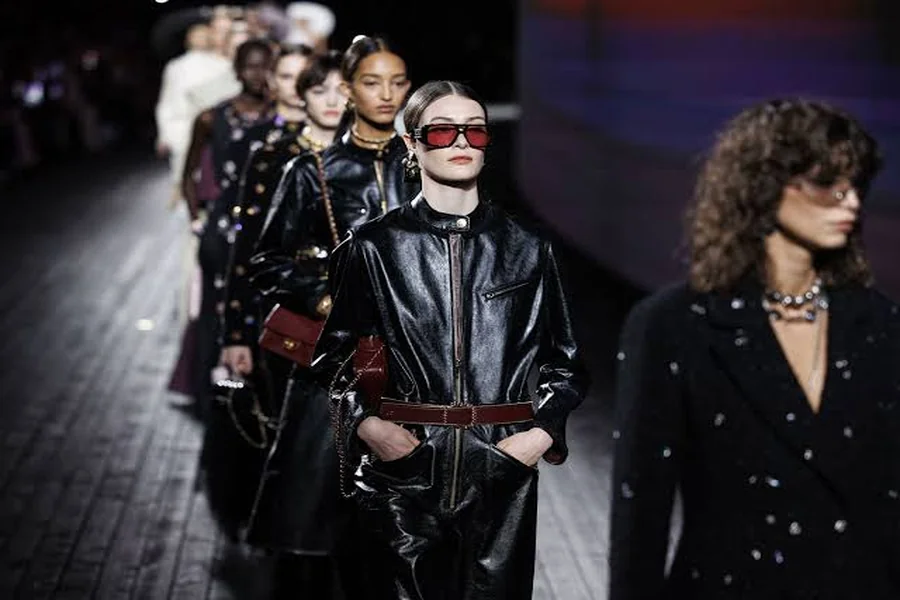
Fashion is often seen through the lens of glossy magazines, viral social media moments, and bustling retail stores, but there is a hidden echelon that exists far above everyday apparel. When we step into Beyond the Seams: Inside the Exclusive World of Haute Couture, we enter a realm where clothing transcends mere function and becomes wearable art. This is a universe dictated by unparalleled craftsmanship, staggering price tags, and an elite clientele that numbers in the mere thousands globally. Unlike ready-to-wear collections that are mass-produced in standard sizing, haute couture represents the absolute pinnacle of dressmaking. It is a tradition steeped in history, protected by strict French laws, and maintained by a dedicated workforce of artisans who dedicate their lives to mastering centuries-old techniques. To truly understand this magical industry, one must look past the flashing cameras of the runway and examine the painstaking labor, the uncompromising standards, and the quiet dedication that happens behind closed doors in Parisian ateliers. The garments produced in these workshops are not meant for the average consumer; they are bespoke creations tailored precisely to the exact measurements and aesthetic desires of the world’s wealthiest individuals. Yet, despite its exclusivity, the influence of haute couture trickles down to influence global fashion trends, making it a vital engine for the broader luxury industry.
The Craftsmanship and Artistry
At the very heart of haute couture lies the atelier, a dedicated workshop where imagination is transformed into reality through sheer human skill. The foundation of this world rests on the shoulders of the “petites mains,” the highly trained seamstresses and artisans who execute the complex visions of elite designers. These craftspeople spend thousands of hours on a single garment, stitching, draping, and embroidering entirely by hand. A single evening gown might require over a thousand hours of labor, particularly if it involves intricate beadwork, custom feather placements, or complex structural boning. The materials utilized are equally extraordinary, often custom-woven or dyed specifically for a single dress. Silk organza, rare lace, and exotic embellishments are handled with the utmost care, ensuring that every seam is invisible and every silhouette falls flawlessly. The process begins with a sketch, which is then translated into a muslin prototype called a “toile.” This prototype is fitted onto a bespoke dress form that matches the client’s exact body measurements. Only after the toile is perfected does the artisan cut into the final, precious fabric. This devotion to perfection ensures that a couture garment is not merely worn; it is inhabited. The fit is so precise that it moves with the wearer like a second skin, offering a level of comfort and elegance that mass-produced clothing simply cannot achieve. It is this unwavering commitment to artistic integrity that elevates haute couture from a tailoring business to a respected art form.
The Strict Rules of the Syndicale
The term “haute couture” is not a casual marketing buzzword; it is a legally protected designation in France. To earn the right to call a collection haute couture, a fashion house must be invited to join and subsequently adhere to the rigorous rules established by the Fédération de la Haute Couture et de la Mode. This governing body was established to protect the integrity of the craft and prevent the dilution of the term. The rules mandate that a designer must design made-to-order garments for private clients, with one or more fittings. Additionally, the fashion house must maintain a workshop in Paris that employs at least fifteen staff members full-time. They must also employ at least twenty full-time technical workers in at least one workshop. Furthermore, the house must present a collection of no less than fifty original designs—both day and evening garments—to the public every fashion season, which occurs twice a year in January and July. These stringent requirements ensure that only houses with the necessary financial backing, technical expertise, and artistic vision can participate. Currently, only a select few heritage brands, such as Chanel, Dior, and Givenchy, alongside a handful of carefully vetted modern designers, hold the prestigious title of official members. This exclusivity maintains the mystique of the industry, ensuring that the label of haute couture remains synonymous with the absolute highest tier of fashion.
The Modern Evolution of High Fashion
While haute couture is deeply rooted in tradition, it is not immune to the changing tides of the modern world. Historically, the couture client was a European aristocrat, a Hollywood starlet, or an American socialite. Today, the demographic has shifted dramatically to reflect global wealth distribution. The modern couture client is just as likely to be a tech billionaire from Silicon Valley, a royal family member from the Middle East, or a young entrepreneur from Asia. This shift in clientele has forced couture houses to adapt their designs, blending traditional Parisian elegance with global sensibilities and contemporary aesthetics. Moreover, the business model of haute couture has evolved. While the bespoke garments themselves are incredibly expensive, they are rarely the primary source of profit for a major luxury brand. Instead, haute couture serves as the ultimate marketing tool—a spectacular halo that elevates the entire brand. The prestige generated by a breathtaking couture show drives the sales of the house’s ready-to-wear lines, luxury handbags, cosmetics, and perfumes. In this way, the staggering costs of producing a couture collection are justified as a vital investment in brand identity. Furthermore, modern technology is slowly making its way into the ateliers. While hand-stitching remains the standard, designers are increasingly experimenting with 3D printing, laser cutting, and innovative sustainable materials, proving that honoring tradition does not require ignoring the future.
FAQs
What exactly is haute couture? Haute couture is a legally protected French term for custom-fitted, handmade clothing produced by exclusive fashion houses in Paris.
How much does a haute couture dress cost? A garment can range from tens of thousands of dollars to over a million dollars depending on the materials and hours of labor involved.
Who buys haute couture clothing? The clientele consists of an estimated four thousand ultra-wealthy individuals globally, including royalty, celebrities, and international business elites.
Why are there so few haute couture designers? The strict legal requirements set by the French fashion federation make it incredibly difficult and expensive for new houses to qualify.
Final Thought
The universe of high fashion remains a captivating blend of rigid tradition and boundless creativity. Through the meticulous dedication of its artisans and the visionary minds of its designers, haute couture continues to serve as the beating heart of the luxury industry. It stands as a defiant celebration of slow fashion, proving that in an era of rapid mass production, there is still immense value in patience, precision, and unparalleled human skill. As long as there are individuals who appreciate the profound beauty of a perfectly tailored, hand-stitched garment, the exclusive world of haute couture will continue to thrive, inspiring generations of designers and fashion lovers around the globe.