
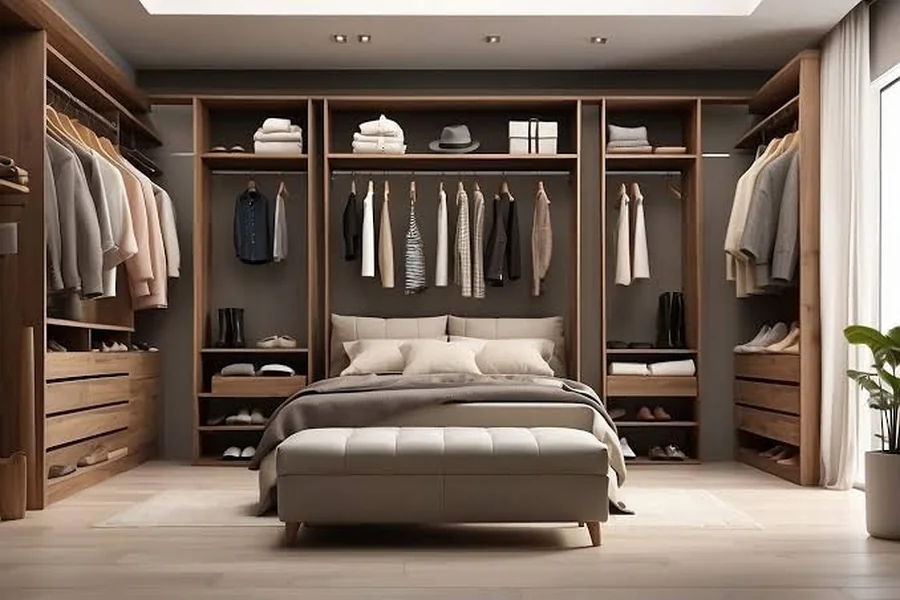
Have you ever stared into a densely packed closet and frustratingly thought that you have absolutely nothing to wear? You are certainly not alone in this daily morning struggle. This common frustration is a direct symptom of decision fatigue, largely fueled by a culture of fast fashion and endless consumerism. We buy pieces for single occasions, purchase items on sale that do not quite fit, and hoard garments for a future version of ourselves. However, a growing lifestyle movement offers a refreshing alternative to this overwhelming abundance. Embracing The Art of Less: Mastering the Minimalist Capsule Wardrobe is about transforming your entire relationship with clothing, shifting your primary focus from mindless accumulation to intentional curation. It is a philosophy that proves true elegance lies in simplicity. Building a curated collection of versatile, high-quality garments is not about restricting your personal expression; rather, it is about magnifying it. When every single item in your closet is something you genuinely love and feel confident wearing, getting dressed becomes a joyful experience instead of a stressful chore. This approach saves you valuable time during rushed mornings, keeps more money in your bank account by preventing impulse purchases, and significantly reduces your environmental footprint.
The Foundation of a Curated Closet
Understanding the core philosophy of a streamlined wardrobe begins with recognizing the inherent value of quality over quantity. The concept of a capsule collection was originally popularized in the 1970s by London boutique owner Susie Faux, who advocated for a modest collection of essential, timeless items that could be effortlessly augmented with seasonal pieces. Designer Donna Karan later brought this idea to the global mainstream in the 1980s with her “Seven Easy Pieces” collection, proving that professional women only needed a handful of interchangeable garments to look impeccably put together every day of the week. Today, this philosophy is more relevant than ever as we grapple with the ecological consequences of disposable fashion. A minimalist closet typically consists of thirty to forty highly versatile items, including tops, bottoms, dresses, outerwear, and shoes, though the exact number is less important than the overarching mindset. This curated collection is meticulously designed so that almost every piece coordinates beautifully with the rest. The foundation is built upon reliable basics in neutral tones, which act as a blank canvas for your personal style. By eliminating the visual clutter of items you never wear, you create physical and mental space for the garments that actually make you feel powerful, comfortable, and beautifully authentic. It is a profound shift from a scarcity mindset, where you constantly feel you need more clothes, to an abundance mindset, where you realize you already possess exactly what you need to look your best.
Step-by-Step Guide to Decluttering
The physical process of reducing your clothing collection requires emotional honesty and a significant amount of discipline. To begin, you must confront the reality of what you actually own by taking absolutely everything out of your closet, dressers, and storage bins. Pile every single garment onto your bed so you can visually comprehend the sheer volume of your possessions. Pick up each item individually and evaluate its true place in your life right now. Ask yourself if you have worn it in the last twelve months, if it fits your current body comfortably, and if it aligns with your present lifestyle. Create three distinct zones for your sorting process: a definite keep pile, a thoughtful donate or sell pile, and a discard pile for items that are damaged beyond repair. For pieces that you are hesitant to let go of due to sentimental value or guilt over the purchase price, place them in a temporary storage box hidden out of sight. If you do not feel the urge to retrieve them after a few months, you can confidently donate them. The goal here is not to brutally strip away everything you own, but to meticulously edit out the noise. Let go of the fantasy self who might one day wear those sequined pants to a gala, and instead honor the reality of your daily routine. Once the excess is removed, you will be left with a much smaller, but deeply authentic, reflection of your true personal style.
Selecting Your Core Essential Pieces
Building your streamlined wardrobe requires strategic thinking about color, fabric, and silhouette. Start by establishing a foundational color palette consisting of versatile neutrals such as black, navy, white, beige, or gray. These shades will serve as the heavy lifters of your wardrobe, seamlessly blending with one another to create dozens of effortless combinations. Once your neutral base is established, select one or two accent colors that complement your skin tone and bring you genuine happiness. These accents can be incorporated through tops, scarves, or seasonal layering pieces to inject personality into your daily looks. The specific garments you choose will depend heavily on your climate and lifestyle, but certain classics remain universally functional. A crisp white button-down shirt, a perfectly tailored blazer, a comfortable pair of high-quality denim jeans, and a versatile midi dress are excellent foundational elements. Pay incredibly close attention to the fabric composition of the pieces you invite into your closet. Natural fibers like cotton, linen, silk, and merino wool not only drape more beautifully on the body but also last significantly longer and breathe better than cheap synthetic alternatives. Every single item should be comfortable enough to wear all day and versatile enough to transition smoothly from a casual daytime setting to an elegant evening event with just a quick change of shoes or accessories.
Maintaining Your Streamlined Style
Creating a minimalist wardrobe is a remarkable achievement, but maintaining it requires an ongoing commitment to intentional consumerism. The fashion industry is engineered to make you feel perpetually out of style, constantly pushing new micro-trends and aggressive marketing campaigns designed to trigger impulse buys. To protect the serene space you have created, implement a strict “one in, one out” policy. For every new item of clothing you purchase and bring into your home, you must purposefully remove an older item to donate or sell. This simple rule forces you to critically evaluate whether a potential new purchase is truly better than what you already own. Furthermore, institute a waiting period before finalizing any clothing purchase, giving yourself at least forty-eight hours to decide if the item is a fleeting desire or a genuine necessity that fills a specific gap in your collection. Keep an active, running list of the exact items you need on your phone, and stubbornly refuse to buy anything that is not on that list. When you do choose to shop, prioritize ethical and sustainable brands that offer high-quality construction, ensuring your new garments will endure years of regular wear and washing. Care for your clothes diligently by following washing instructions, investing in a good fabric shaver, and learning basic mending skills like reattaching a button. By treating your garments with respect, you extend their lifespan and deeply honor the resources used to create them.
FAQs
What is the ideal number of items for a minimalist wardrobe? While many aim for around 30 to 40 items per season, the exact number is completely up to your personal needs and lifestyle.
Can I still wear bright colors if I want a simplified closet? Yes, you can absolutely incorporate bright hues by choosing one or two favorite accent colors to complement your neutral basics.
How do I handle clothing needed for extreme seasonal weather changes? You can easily manage extreme weather by storing out-of-season items in airtight bins and swapping them into your active closet as the weather transitions.
Will I look like I am wearing the exact same outfit every single day? By mixing and matching versatile separates and utilizing different accessories, you can create dozens of unique outfits from a small collection of clothes.
Is it expensive to start building a high-quality capsule collection? It requires an upfront investment if you are buying new high-quality pieces, but it ultimately saves you a significant amount of money by eliminating constant impulse shopping.
Final Thought
Mastering a minimalist wardrobe is a deeply personal journey of self-discovery that extends far beyond the physical boundaries of your closet. It challenges you to confront your consumption habits and redefine what truly makes you feel confident and secure. By stripping away the excess layers of fast fashion, you create the necessary space to appreciate the beautiful simplicity of high-quality, reliable garments. This intentional approach to dressing not only simplifies your mornings but also cultivates a profound sense of inner clarity that gracefully ripples outward into other areas of your life. Ultimately, embracing a curated closet teaches us that true style is never about how much we own, but rather about the quiet, unshakeable confidence with which we carry ourselves in the world.