
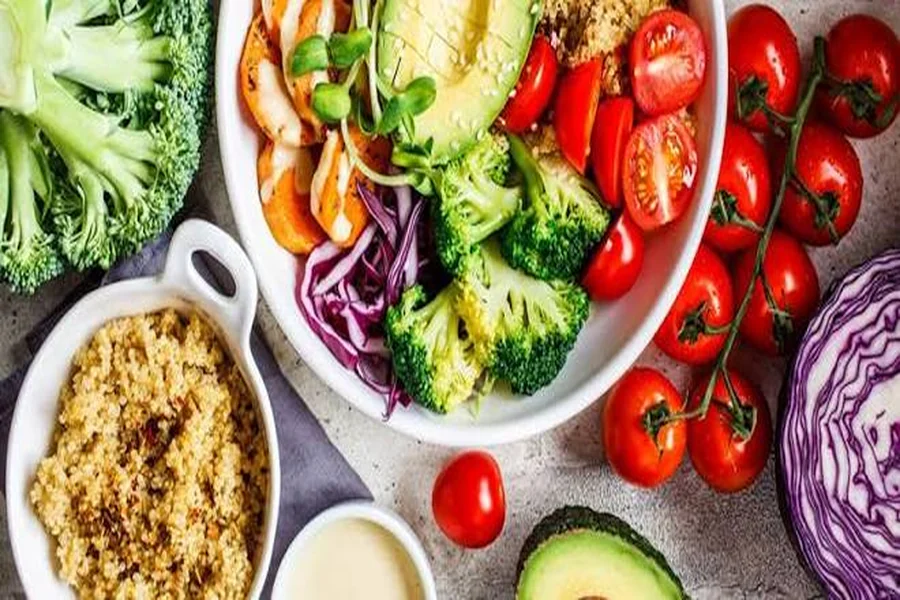
Finding the right healthy foods for older adults is an essential step toward maintaining a vibrant, active, and independent lifestyle. As our bodies change over the years, so does the way we process nutrients, meaning our dietary habits must evolve in tandem. Prioritizing nutrient-dense meals can help combat natural muscle loss, support cognitive function, and bolster the immune system. Rather than viewing this phase as a time of restriction, it is helpful to see it as an opportunity to focus on high-quality ingredients that truly nourish the body. By understanding which specific vitamins and minerals require extra attention, you can make informed choices that benefit your overall physical and mental well-being.
Nutritional Needs as We Age
The human body gradually changes how it absorbs and utilizes nutrients, making caloric intake less important than the actual quality of the calories consumed. Metabolism naturally slows down, which means older individuals generally require fewer calories to maintain their weight. However, the demand for specific vitamins, such as B12 and D, actually increases. Vitamin B12 absorption often decreases due to lower stomach acid production, making fortified cereals or supplements a practical addition to daily routines. Bone density also naturally diminishes, elevating the need for consistent calcium intake to prevent fractures and osteoporosis. Hydration is another critical factor that is frequently overlooked because the natural sense of thirst tends to fade over time. Drinking water regularly, even when not feeling parched, helps maintain kidney function, aids in digestion, and keeps energy levels stable throughout the day. Focusing on these shifting requirements builds a strong foundation for long-term health and vitality.
Essential Dietary Choices
Building a balanced plate requires a focus on colorful, fiber-rich, and protein-heavy options. Lean proteins, such as skinless poultry, fish, tofu, and legumes, are vital for preserving muscle mass and supporting immune health. Fish rich in omega-3 fatty acids, like salmon and sardines, offer dual benefits by reducing joint inflammation and supporting brain health. Fiber is equally crucial, acting as the primary driver for a healthy digestive system while also helping to regulate blood sugar levels. Whole grains like oats, quinoa, and brown rice, paired with a wide variety of fresh vegetables, provide this necessary fiber along with a host of antioxidants. Dark leafy greens, berries, and brightly colored bell peppers should make a daily appearance on the plate to fight oxidative stress. Additionally, incorporating healthy fats from nuts, seeds, and avocados can aid in the absorption of fat-soluble vitamins and keep the heart functioning optimally.
Final Thought
Adapting to a new dietary routine does not happen overnight, but making small, consistent swaps can lead to significant improvements in daily energy and overall health. Embracing a colorful and varied diet ensures that your body receives the fuel it needs to thrive and remain resilient.
FAQs
What are the best protein sources for seniors? Lean meats, eggs, Greek yogurt, beans, and lentils are excellent, easily digestible sources of protein. How much water should an older adult drink daily? Aiming for at least eight 8-ounce glasses a day is a good baseline, though individual needs may vary based on activity levels and medications. Are dietary supplements necessary for older adults? While a food-first approach is best, supplements like Vitamin D, Calcium, or B12 may be necessary if blood tests indicate a deficiency.
Which specific meals or ingredients would you like help incorporating into your weekly routine?