
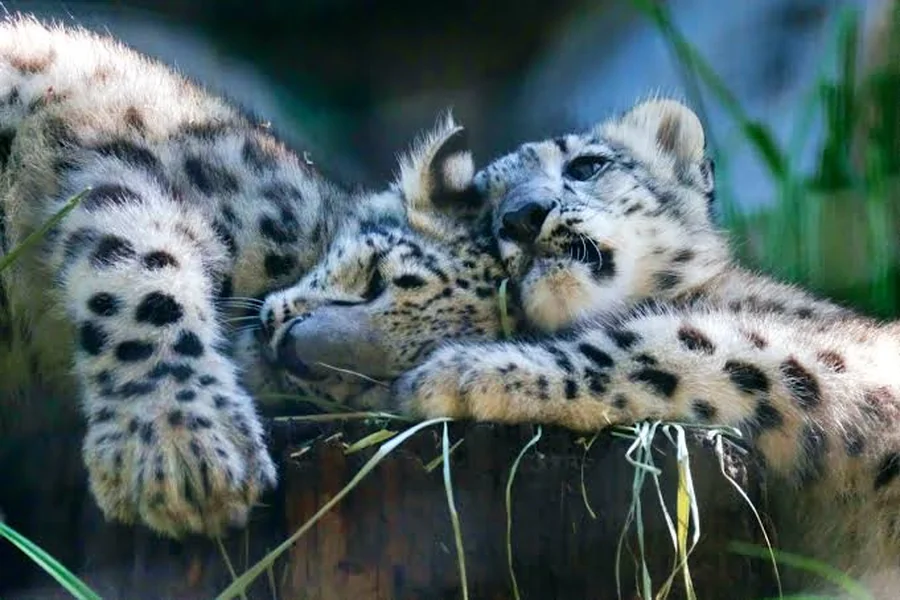
Nature possesses a profound and awe-inspiring ability to heal when humanity steps back and provides the necessary space, resources, and protection. For many consecutive years, scientists, researchers, and wildlife enthusiasts watched with heavy hearts as the numbers of various big cats plummeted across the globe. Habitat destruction, illegal poaching, and escalating human-wildlife conflict systematically pushed these magnificent apex predators to the very edge of complete extinction. The future looked incredibly bleak, and many feared that subsequent generations would only see these animals in textbooks or archival footage. However, the narrative is finally beginning to shift in an overwhelmingly positive direction. It is a monumental victory for global ecological preservation that an endangered leopard species shows remarkable population rebound after decades of relentless decline and uncertainty.
This extraordinary resurgence is definitely not just a random stroke of luck or a natural fluctuation in wildlife demographics. Rather, it is the direct, hard-earned result of tireless work, stringent international cooperation, and a deep, unwavering commitment to preserving our planet’s fragile biodiversity. Conservationists have spent countless nights tracking footprints, analyzing data, and negotiating with local governments to secure protected lands for these big cats. In this comprehensive overview, we will delve deeply into the fascinating journey of these elusive and highly adaptable felines. We will examine exactly how they were systematically brought back from the absolute brink of disappearance, the specific, science-backed strategies that fueled their ongoing recovery, and the absolutely critical role that local indigenous and farming communities played in ensuring their long-term survival. The triumphant return of the leopard serves as a powerful beacon of hope for countless other threatened species worldwide.
The Brink of Extinction and the Turning Point
To truly appreciate the magnitude of this recent population increase, it is absolutely essential to understand just how close we came to losing these majestic creatures forever. During the mid to late twentieth century, rapid industrialization and aggressive agricultural expansion decimated the natural forests that these leopards called home. Rampant commercial logging operations tore through ancient woodlands, while the construction of vast, sprawling road networks fractured the remaining territories into isolated, unsustainable pockets. This severe habitat fragmentation made it incredibly difficult for the solitary leopards to find sufficient prey, establish adequate hunting territories, or locate suitable mates, which subsequently led to a devastating and rapid drop in their overall reproductive rates.
Beyond the catastrophic loss of their natural environment, these animals faced a far more immediate and sinister threat: relentless and highly organized poaching. The luxurious, beautifully rosette-patterned pelt of the leopard was immensely prized on the global black market, driving a lucrative illicit trade that heavily decimated their numbers. Additionally, their bones and other body parts were frequently sought after for use in various traditional medicines, despite a complete lack of scientific evidence supporting their medical efficacy. By the time the new millennium arrived, certain regional leopard populations had dwindled to merely a few dozen individuals clinging to survival in the wild. They were widely considered by experts to be among the absolute rarest big cats on the face of the earth.
The critical turning point finally occurred when a broad coalition of international wildlife organizations and regional governments officially recognized the imminent, irreversible threat of their extinction. They sounded the alarm, triggering a massive influx of conservation funding, dedicated resources, and widespread public attention. Strict new legislative measures were rapidly drafted and implemented to officially criminalize poaching and heavily penalize the trafficking of leopard products. Large, continuous tracts of critical habitat were formally designated as protected national parks, completely off-limits to commercial logging and destructive industrial development. This decisive, unified action effectively halted the rapid decline, stabilizing the fragile population and laying the vital groundwork for the slow but steady recovery that we are fortunate enough to witness today.
Conservation Strategies That Made a Difference
The remarkable recovery of these magnificent predators was achieved through a highly sophisticated, multi-faceted approach to wildlife management and environmental conservation. One of the most immediate and impactful strategies was the deployment of heavily armed, extensively trained anti-poaching units across the designated protected zones. These dedicated park rangers patrolled the vast, rugged terrains day and night, constantly risking their own lives to dismantle illegal snares, confiscate firearms, and apprehend armed poachers. Their continuous, highly visible presence in the forests acted as a massive deterrent, drastically reducing the number of leopards lost to the illegal wildlife trade and allowing the remaining cats to breed safely.
Simultaneously, conservationists leveraged cutting-edge modern technology to monitor the elusive cats without causing them any unnecessary stress or unnatural disturbance. The widespread installation of motion-sensor camera traps throughout the dense forests completely revolutionized the way researchers gathered and analyzed population data. These hidden, strategically placed cameras captured thousands of images and vital video footage, allowing scientists to identify individual leopards by their completely unique spot patterns. This non-invasive tracking method provided incredibly accurate population counts, revealed critical information about their territorial movements, and even documented the joyous birth of new cubs, which provided immense motivation and validation to the hard-working research teams.
Furthermore, significant efforts and funding were heavily directed toward the ecological restoration of the leopard’s natural prey base. Decades of severe overhunting by humans had depleted the local populations of deer, wild boar, and other crucial prey species to dangerously low levels. Conservationists implemented strict local hunting quotas for humans and occasionally translocated prey animals directly into the protected zones to ensure the leopards had a reliable, abundant food source. Additionally, unprecedented cross-border cooperation between neighboring countries ensured that the leopards could freely and safely migrate across international boundaries. By establishing continuous, protected wildlife corridors, governments allowed the cats to expand their territories and access new hunting grounds, which was a critical factor in supporting a rapidly growing population.
The Role of Local Communities in Leopard Protection
While strict legislative action and advanced scientific research were absolutely vital to the project, the long-term success of this conservation initiative ultimately hinged on the active participation and genuine support of local communities. For generations, the complex relationship between humans and leopards had been deeply characterized by lingering fear, mutual misunderstanding, and severe, sometimes fatal, conflict. As the leopards’ natural habitat rapidly shrank and their wild prey disappeared, the desperate, hungry cats frequently ventured into human settlements to hunt accessible domestic livestock. This understandably angered local farmers and traditional herders, who often retaliated by deliberately poisoning or shooting the leopards to protect their primary source of income and daily livelihood.
To permanently break this destructive and tragic cycle of violence, leading conservation organizations introduced highly effective livestock compensation programs. Under these innovative community initiatives, farmers who unfortunately lost their valuable cattle or sheep to leopard predation were promptly and fairly reimbursed for their exact financial losses. By completely removing the severe economic burden associated with living alongside large, dangerous predators, these programs successfully transformed angry, retaliatory farmers into willing, engaged conservation partners. The shift in local cultural attitudes was absolutely profound, as communities slowly began to view the leopards not as a terrifying financial threat, but as a protected, respected, and highly valuable part of their natural heritage.
In addition to direct financial compensation, extensive and highly engaging community education programs were launched in local public schools and village community centers. These educational campaigns focused heavily on teaching residents about the vital ecological importance of apex predators and how to safely, peacefully coexist with them in shared environments. Furthermore, the rapid rise of sustainable eco-tourism provided a powerful, lucrative new alternative livelihood for many local families. Former hunters were employed and trained as expert wildlife guides, utilizing their intimate, lifelong knowledge of the forest to help visiting tourists spot the elusive cats. This strategic integration of the local economy with wildlife preservation ensured that the communities had a direct, vested financial interest in keeping the leopards alive and thriving in their natural habitat.
Future Challenges and Maintaining the Momentum
Despite the incredibly encouraging news and the undeniable, historic success of recent conservation efforts, the journey to full species recovery is far from over. The successfully rebounded population still faces a multitude of complex, long-term environmental challenges that require continuous vigilance, funding, and proactive biological management. One of the most pressing biological concerns currently facing researchers is the severe lack of genetic diversity within the newly expanded population. Because the current generation descended from such a remarkably tiny pool of surviving individuals, inbreeding remains a significant, dangerous, and ever-present threat. Inbreeding depression can easily lead to compromised immune systems, significantly reduced fertility rates, and a much higher susceptibility to deadly, fast-spreading diseases.
To actively combat this genetic bottleneck, scientists are currently exploring the delicate and highly complex possibility of translocating healthy individuals from other captive or distant wild populations to manually introduce fresh genetics into the local gene pool. However, these specific operations are incredibly risky, logistically challenging, and require years of careful, meticulous planning to ensure the newly introduced arrivals adapt successfully to the wild environment. Furthermore, the ever-looming specter of global climate change poses a massive, highly unpredictable threat to the leopards’ delicate and finely balanced ecosystem. Altered seasonal weather patterns, steadily increasing temperatures, and rapidly changing vegetation could drastically shift the natural distribution of prey species, potentially forcing the leopards to migrate into unprotected, highly dangerous territories.
Finally, the continuous, unrelenting push for human infrastructure development remains a constant, heavy pressure on the fragile borders of the protected habitats. As human populations inevitably grow, the societal demand for new agricultural land, natural resources, and sprawling transportation networks will continuously increase. It is absolutely crucial that regional governments maintain their strict, uncompromising enforcement of protected areas and continue to prioritize ecological connectivity over short-term industrial expansion. The remarkable rebound of this specific species is a monumental, awe-inspiring achievement, but it is merely a single successful battle in a much larger, ongoing, and vital war for global biodiversity. We must maintain our current conservation momentum, secure sustained financial funding, and continue to fiercely champion the protection of these irreplaceable animals.
FAQs
Q: What were the main factors that originally drove these big cats so close to total extinction? A: The primary causes were massive habitat destruction due to unchecked industrial logging and agriculture, a severe depletion of their natural prey base, and relentless illegal poaching for their highly valuable fur and bones.
Q: How do scientists accurately count the number of leopards in the wild without disturbing them? A: Researchers primarily utilize extensive networks of motion-sensor camera traps hidden throughout the forest, which capture clear images of the leopards and allow scientists to identify individuals by their completely unique rosette spot patterns.
Q: Did the local farmers and communities support the conservation efforts from the very beginning? A: No, initially there was significant human-wildlife conflict due to leopards hunting domestic livestock, but the introduction of fair financial compensation programs and eco-tourism opportunities eventually turned local residents into dedicated conservation allies.
Q: Is the species now completely safe from the threat of global extinction? A: While their population numbers have improved drastically, they are not entirely safe and still face major threats, including a dangerous lack of genetic diversity, the unpredictable impacts of global climate change, and ongoing habitat fragmentation.
Final Thought
The incredible, uplifting story of these resilient felines proves beyond a shadow of a doubt that it is never too late to reverse the devastating damage inflicted upon our natural world. When an endangered leopard species shows such a robust, healthy, and undeniable recovery, it serves as a powerful, living testament to the sheer dedication of global conservationists, the innate resilience of nature, and the absolute necessity of human empathy. We have successfully pulled a magnificent apex predator back from the dark, terrifying abyss of extinction, demonstrating exactly what is possible when governments, dedicated scientists, and local communities unite under a common, noble purpose. Moving forward, we must all remain completely steadfast in our commitment to environmental stewardship, ensuring that the triumphant roar of the leopard continues to echo safely through the forests for countless generations to come.