
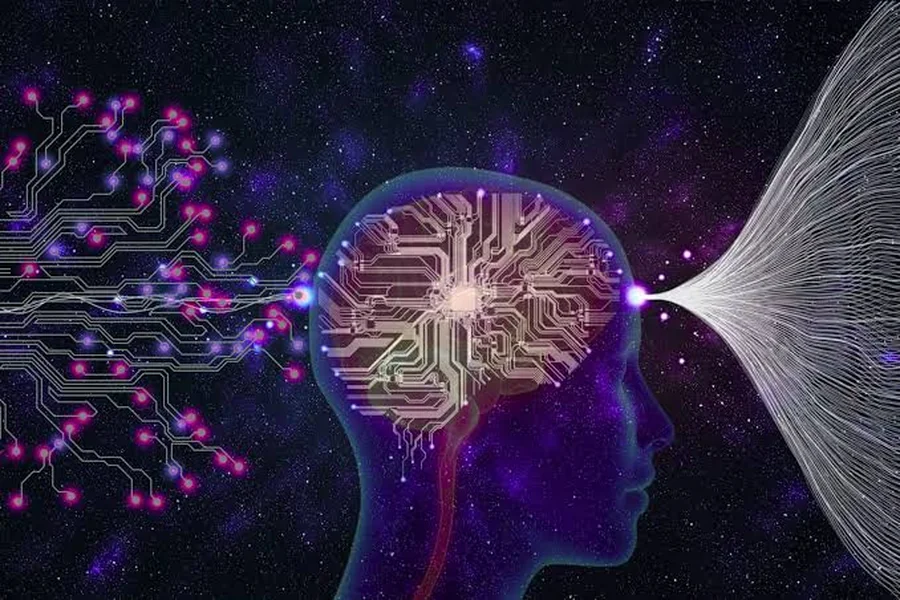
As we stand on the brink of unprecedented technological advancement, the convergence of complex code, machine learning, and human behavior is redefining what lies ahead. Algorithms of Tomorrow: Predictive Tech and Human Destiny represents more than just a scientific frontier; it is a profound shift in how we navigate our daily lives, make decisions, and envision our collective future. For decades, computers were tools used strictly to process past information and execute repetitive calculations. Today, they are evolving into sentient-seeming entities capable of forecasting trends, anticipating human desires, and modeling global events before they even unfold. This transition from reactive computing to proactive foresight brings forth a cascade of philosophical, ethical, and practical questions that every modern citizen must confront.
The Rise of Advanced Predictive Systems
Modern data processing has moved far beyond basic spreadsheets and simple algorithms. Today’s neural networks ingest billions of data points every second, analyzing patterns in human movement, financial markets, health indicators, and consumer habits. This massive influx of information allows predictive models to forecast outcomes with astonishing accuracy. Whether it is predicting a weather anomaly weeks in advance or anticipating a medical condition before symptoms physically manifest, these tools operate as invisible architects of modern society. The shift relies heavily on continuous learning loops where systems adapt and refine their outputs based on real-time feedback. Consequently, industries ranging from logistics to entertainment are entirely dependent on automated forecasts to maintain efficiency and capture user attention. Yet, this reliance raises vital concerns about transparency, as the inner workings of these complex models often remain hidden even to their creators.
How Forecasting Shapes Daily Choices
The impact of forward-looking systems is not restricted to massive corporate boardrooms or government intelligence agencies; it permeates the most mundane aspects of everyday existence. When individuals open a navigation app, choose what movie to watch on a streaming platform, or browse social media feeds, they are interacting directly with predictive engines designed to curate reality. These tools study past interactions to tailor future experiences, effectively narrowing the scope of choices presented to the user. While this level of personalization offers undeniable convenience, it also creates invisible boundaries around human agency. People may begin to wonder whether their preferences are genuinely their own or merely the manufactured outcome of behavioral programming. As automated systems become more deeply integrated into communication, education, and career planning, the boundary between autonomous human choice and algorithmically guided destiny blurs significantly.
Ethical Dilemmas in Automated Futures
With great predictive power comes profound ethical responsibility. One of the most pressing challenges of advanced forecasting is the risk of reinforcing historical biases and systemic inequalities. If an automated model is trained on decades of flawed human data, its predictions will likely mirror and amplify those exact flaws, masquerading as objective truth under the guise of technological neutrality. This danger is particularly acute in criminal justice, hiring processes, and credit scoring, where predictive analytics can unjustly penalize marginalized groups. Furthermore, the relentless pursuit of accurate prediction often clashes with fundamental rights to privacy and personal autonomy. Societies must grapple with the question of how much personal data should be harvested in the name of efficiency and security. Establishing robust regulatory frameworks and ethical guardrails is essential to ensure that future innovations serve to elevate humanity rather than restrict it.
FAQs
Q: What is predictive technology? A: Predictive technology refers to systems that use historical data, machine learning, and statistical algorithms to forecast future events and human behaviors. Q: How do algorithms influence human destiny? A: They shape human destiny by subtly guiding choices, automating critical societal functions, and influencing economic, political, and personal outcomes. Q: Are predictive models completely unbiased? A: No, predictive models can inherit and amplify human biases if they are trained on historical data that reflects past inequalities. Q: Can individuals opt out of predictive systems? A: Opting out entirely is increasingly difficult because these systems are deeply embedded in modern infrastructure, finance, communication, and commerce.
Final Thought
The trajectory of modern innovation suggests that our reliance on advanced forecasting will only deepen as computing power grows. Navigating this new era requires a delicate balance between embracing technological progress and fiercely protecting human autonomy, ethical integrity, and individual freedom. By remaining critical and conscious consumers of data, society can steer these powerful tools toward a future that honors human dignity and fosters collective well-being.