
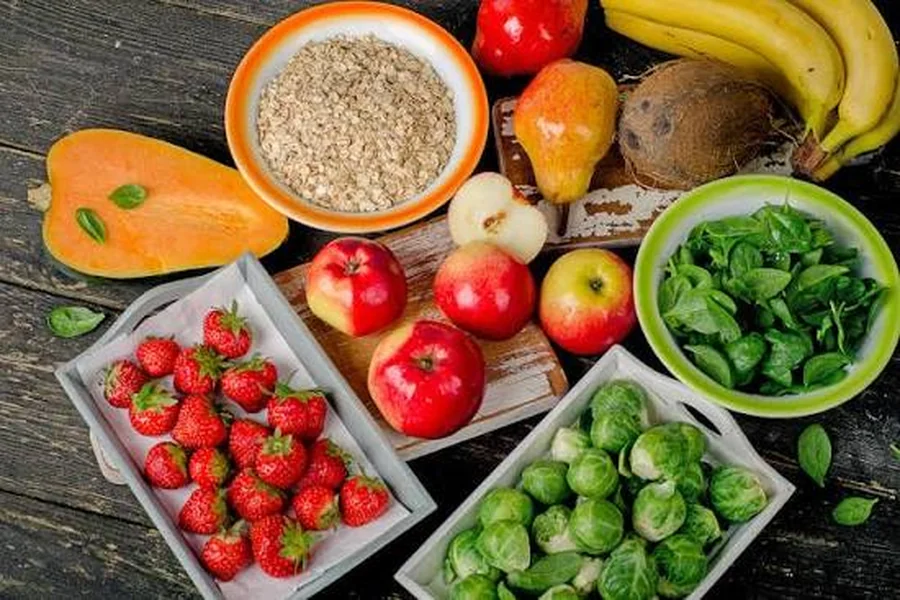
Healthy eating habits for children can play an important role in their growth, development, energy, and overall well-being. During childhood, eating patterns are constantly changing as children develop new tastes, become more independent, and respond to different foods and environments. Parents can support this process by offering balanced meals, introducing a variety of nutritious foods, and creating a positive atmosphere around eating. Healthy eating does not mean every meal has to be perfect. Instead, it is about developing consistent habits that help children understand and enjoy nutritious food as part of everyday life.
Why Healthy Eating Habits Matter for Children
Children need a wide range of nutrients to support growing bones, muscles, organs, and brains. A balanced diet can provide protein, carbohydrates, healthy fats, vitamins, minerals, and fiber that contribute to normal development. Good eating habits may also help children maintain steady energy for school, physical activities, and play. Establishing healthy routines early can make nutritious choices feel normal rather than restrictive. Parents can focus on what children eat over the course of a day or week instead of worrying about individual meals. This approach allows room for different preferences while still encouraging a varied and balanced diet.
Build Balanced Meals With Variety
A simple way to encourage healthy eating is to include different food groups in meals. A balanced plate might contain vegetables or fruit, a source of protein, and a nutritious carbohydrate such as whole grains or potatoes. Foods such as eggs, fish, chicken, beans, lentils, yogurt, fruits, vegetables, oats, rice, and whole-grain bread can all be part of a child’s diet. Variety matters because different foods provide different nutrients. Parents can also vary colors, textures, and preparation methods to make meals more appealing. Instead of serving the same foods repeatedly, rotating options throughout the week can give children opportunities to develop a broader range of tastes.
Create a Consistent Meal and Snack Routine
Regular meal and snack times can help children understand when food is available and support a predictable daily routine. Depending on age and individual needs, children may have three main meals along with nutritious snacks. Allowing enough time between meals can also give children an opportunity to develop natural hunger and fullness cues. Parents can offer healthy options at planned times while allowing children to decide how much they want to eat. A consistent routine does not need to be rigid. School schedules, activities, family events, and changing appetites can all affect eating patterns, so flexibility remains important.
Make Nutritious Snacks Easy to Choose
Children often need snacks between meals, particularly when they are active or have long gaps between meals. Nutritious snacks can include fresh fruit, yogurt, boiled eggs, whole-grain crackers, cheese, vegetables with a suitable dip, oatmeal, or nut butter when appropriate. Keeping healthier options visible and accessible can make them easier for children to choose. Parents can prepare fruit and vegetables in advance or keep simple foods ready for busy afternoons. Snacks do not need to be complicated. A combination of protein, fiber, and healthy fats can help make snacks more satisfying and provide useful nutrients between meals.
Encourage Children Without Creating Food Pressure
One of the most important healthy eating habits for children is developing a positive relationship with food. Parents can encourage children to try new foods, but forcing them to finish everything on their plate may create unnecessary stress around eating. Children naturally experience changes in appetite, and they may eat more on some days and less on others. Parents can decide what foods are offered and when meals are served, while children can have some control over whether and how much they eat. Repeatedly offering foods that were previously refused can also help children become familiar with them over time. A calm approach can make family meals more enjoyable.
Limit Highly Processed Foods and Sugary Drinks
Highly processed foods can be convenient, but many contain large amounts of added sugar, salt, or unhealthy fats while providing fewer essential nutrients. These foods do not necessarily need to be completely forbidden, but they can be offered less frequently as part of an overall balanced diet. Sugary drinks can also add significant amounts of sugar without providing the same nutritional benefits as whole foods. Water is generally a good everyday drink, while milk or appropriate fortified alternatives can provide additional nutrients. Parents can gradually reduce reliance on sweetened drinks and keep water readily available throughout the day.
Involve Children in Food Choices
Giving children age-appropriate responsibilities can make healthy eating more engaging. Younger children can wash fruits, arrange vegetables on a plate, or help mix ingredients, while older children may help plan meals or prepare simple dishes. Taking children grocery shopping and allowing them to select a new fruit or vegetable can also encourage curiosity about food. Cooking together provides an opportunity to talk about nutrition without turning meals into a lesson. When children participate in preparing food, they may become more interested in trying what they helped create. These small experiences can help build confidence and independence around food.
Final Thought
Healthy eating habits for children are built through consistency, variety, and a positive approach to food. Parents can support healthy development by offering balanced meals, providing nutritious snacks, maintaining reasonable routines, and allowing children to listen to their hunger and fullness cues. Occasional treats or less nutritious meals do not cancel out an otherwise balanced eating pattern. The goal is to create an environment where nutritious foods are familiar, enjoyable, and regularly available. If a child has significant food allergies, dietary restrictions, feeding difficulties, or concerns related to growth, parents should seek guidance from a pediatrician or qualified dietitian.
FAQs
What are the most important healthy eating habits for children?
Important habits include eating a variety of foods, having regular meals and snacks, drinking enough water, eating fruits and vegetables, and developing a positive relationship with food.
How can parents encourage picky children to eat healthy foods?
Parents can offer small portions of nutritious foods repeatedly without forcing children to eat them. It may take several exposures before a child becomes comfortable with a new food.
Should children be allowed to choose what they eat?
Parents can decide which nutritious foods are offered, while children can usually be allowed to choose how much they eat based on their hunger and fullness cues.
What are healthy snack options for children?
Fruit, yogurt, cheese, boiled eggs, vegetables, whole-grain crackers, oatmeal, and suitable nut or seed butters can be nutritious snack choices.
How much sugary food can children have?
Sugary foods can be included occasionally as part of a balanced diet, but regularly choosing nutrient-rich foods and limiting foods with high amounts of added sugar is generally recommended.
Why is water important for children?
Water helps maintain proper hydration and is a simple everyday beverage without the added sugar found in many sweetened drinks.
Should parents force children to finish their meals?
Generally, forcing children to finish food is not recommended because it may interfere with their ability to recognize natural hunger and fullness signals.