
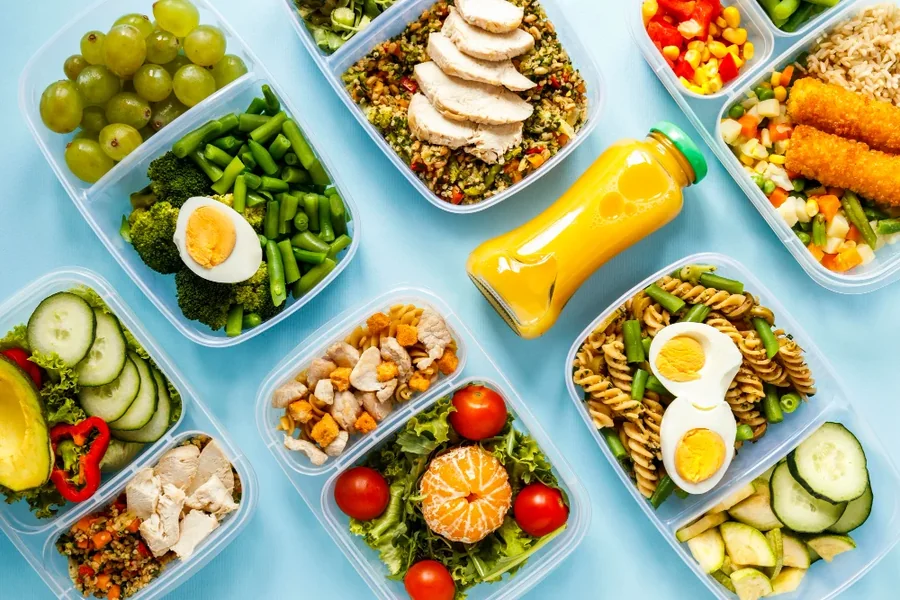
Growing kids need a balanced diet to support their physical development, energy levels, brain function, and overall health. Nutritious foods for growing kids should provide a variety of essential nutrients, including protein, carbohydrates, healthy fats, vitamins, minerals, and fiber. Since children are constantly learning, playing, and developing, their bodies need regular meals and snacks that provide steady nourishment throughout the day. A healthy diet does not have to be complicated or restrictive. Instead, parents can focus on offering a colorful variety of whole and minimally processed foods while creating positive mealtime habits.
Why Good Nutrition Matters During Childhood
Childhood is a period of rapid growth, making proper nutrition especially important. Children need enough calories and nutrients to build strong bones, develop muscles, maintain healthy immune function, and support brain development. A varied diet can also help children establish eating habits that may continue into adulthood. Regularly offering nutritious meals can provide lasting energy for school, sports, play, and other daily activities. Rather than focusing on a single food or nutrient, parents should aim for overall dietary balance. Meals that combine protein, whole grains, vegetables, fruits, and healthy fats can help children receive a broad range of nutrients while keeping food enjoyable and satisfying.
Protein-Rich Foods for Growing Children
Protein plays an important role in building and repairing muscles and supporting normal growth. Good sources include eggs, chicken, fish, lean meat, beans, lentils, chickpeas, tofu, yogurt, milk, and cheese. Plant-based options can be especially useful when included as part of a varied diet. For example, parents can serve scrambled eggs with whole-grain toast at breakfast, lentil soup at lunch, or grilled chicken with vegetables at dinner. Peanut or other nut butters can also provide protein and healthy fats when appropriate for the child and family. Offering different protein sources throughout the week helps keep meals interesting while providing important nutrients needed during childhood development.
Fruits and Vegetables for Vitamins and Fiber
Fruits and vegetables provide vitamins, minerals, antioxidants, and fiber that support children’s overall health. Bananas, apples, oranges, berries, mangoes, carrots, spinach, broccoli, tomatoes, peas, and sweet potatoes are just a few options families can include in everyday meals. Variety is helpful because different fruits and vegetables contain different nutrients. Some children may initially refuse certain vegetables, but repeated exposure can gradually make unfamiliar foods more acceptable. Parents can also make produce more appealing by serving colorful combinations, adding fruit to yogurt or oatmeal, or mixing finely chopped vegetables into soups, sauces, rice, and other familiar dishes. Fresh, frozen, or appropriately prepared options can all contribute to a balanced diet.
Whole Grains and Healthy Carbohydrates
Carbohydrates provide an important source of energy for active children. Choosing whole-grain options can also increase fiber and provide useful nutrients. Whole-grain bread, oats, brown rice, whole-wheat pasta, barley, quinoa, and other minimally processed grains can be included in family meals. Potatoes, corn, and other nutrient-rich carbohydrate foods can also fit into a balanced eating pattern. Combining carbohydrates with protein or healthy fats can make meals more filling and balanced. For example, oatmeal with fruit and yogurt can make a nutritious breakfast, while brown rice with beans and vegetables can provide a satisfying lunch or dinner. The goal is not to eliminate refined carbohydrates completely but to offer nutrient-rich choices regularly.
Healthy Fats for Brain and Body Development
Healthy fats are an important part of a child’s diet because they provide energy and help the body absorb certain vitamins. Foods such as avocados, nuts, seeds, nut butters, olive oil, and fatty fish can provide beneficial fats. Salmon and other oily fish can also supply omega-3 fatty acids, which are important for normal brain and eye development. Parents can add sliced avocado to sandwiches, mix seeds into oatmeal, or use olive oil when preparing vegetables. When serving nuts or other foods that may present a choking risk, preparation should be appropriate for the child’s age and developmental stage. A balanced diet can include healthy fats without relying heavily on highly processed foods.
Dairy and Calcium-Rich Alternatives
Calcium and vitamin D are important for developing strong bones and teeth. Milk, yogurt, and cheese are common sources of calcium, while some fortified dairy alternatives can also contribute important nutrients. Yogurt with fruit can make a simple snack, while cheese can be added to sandwiches, vegetables, or whole-grain meals. Children who do not consume dairy can often get calcium from fortified alternatives and other foods, depending on their dietary needs. Parents should check product labels because nutrient content varies between different beverages and foods. If a child has allergies, dietary restrictions, or concerns about getting enough calcium or vitamin D, discussing appropriate choices with a pediatric healthcare professional can be helpful.
Creating Healthy Eating Habits at Home
Healthy eating is about more than choosing nutritious ingredients. The way food is offered can also influence a child’s relationship with eating. Parents can create a positive environment by serving regular meals and snacks, eating together when possible, and allowing children to experience different foods without unnecessary pressure. Children may have changing appetites from one day to another, so it can be helpful to look at their overall eating patterns rather than one meal. Involving children in age-appropriate tasks, such as washing fruits or choosing vegetables at the grocery store, can also make healthy foods more interesting. Water should generally be encouraged as a regular drink, while sugary beverages and highly processed snacks can be limited.
Final Thought
Nutritious foods for growing kids do not need to be expensive, complicated, or difficult to prepare. A balanced approach that includes protein, fruits, vegetables, whole grains, healthy fats, and calcium-rich foods can provide children with the nutrients they need during important stages of development. Parents do not need to make every meal perfect. Instead, offering a variety of nutritious choices consistently and creating a relaxed approach to eating can help children develop healthy habits over time. When a child has specific nutritional needs, allergies, growth concerns, or a restricted diet, professional guidance from a pediatrician or registered dietitian can help create an appropriate eating plan.
FAQs
What are the best foods for growing kids?
Good choices include fruits, vegetables, eggs, fish, lean meats, beans, lentils, whole grains, dairy products, nuts, seeds, and other nutrient-rich foods that provide a variety of essential nutrients.
How many meals should children eat each day?
Many children do well with three balanced meals and one or more nutritious snacks, depending on their age, appetite, activity level, and individual needs.
Why is protein important for children?
Protein supports normal growth, muscle development, tissue repair, and many important functions throughout the body.
Are fruits and vegetables important for child development?
Yes, fruits and vegetables provide vitamins, minerals, antioxidants, and fiber that support overall health and normal development.
What should children drink most often?
Water is generally an excellent everyday beverage for children, while milk or suitable fortified alternatives can provide additional nutrients depending on the child’s dietary needs.
Can picky eaters still have a healthy diet?
Yes, picky eating is common during childhood. Offering small portions of different nutritious foods without pressure can help children gradually become more comfortable with new foods.
When should parents seek professional nutrition advice?
Parents should consider professional advice when a child has significant food allergies, dietary restrictions, poor growth, persistent feeding difficulties, or other concerns about nutrition and development.