
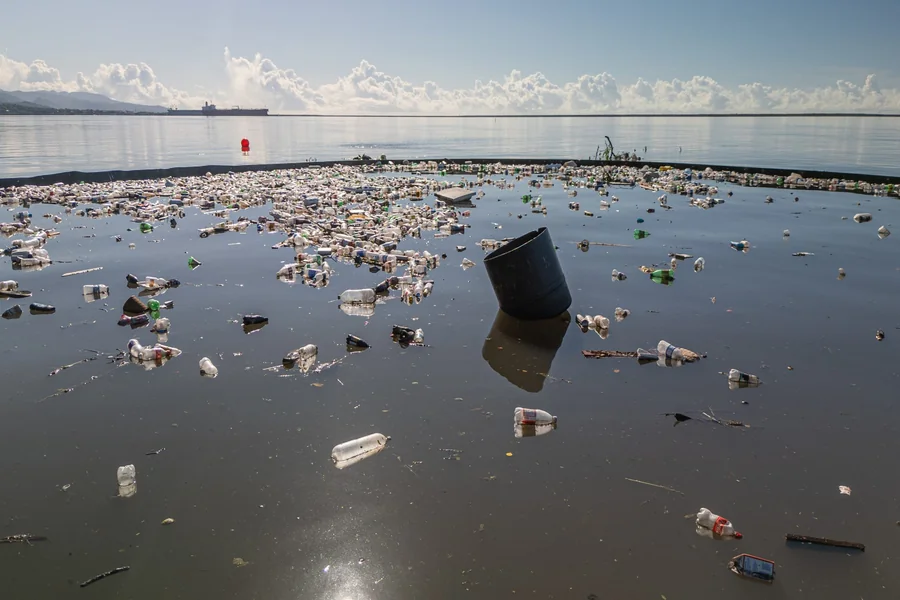
The vast and seemingly endless blue expanses of our oceans have long been considered the lifeblood of our planet. They regulate our climate, provide sustenance for billions of people, and are home to an unimaginable diversity of life. However, over the past few decades, these pristine waters have increasingly become a dumping ground for global waste. The crisis reached such a critical point that many scientists and environmentalists feared the damage was irreversible. Against this backdrop of ecological despair, a beacon of hope has emerged on the horizon. The news that an Unprecedented Ocean Cleanup Initiative Removes 10,000 Tons of Plastic has sent ripples of optimism throughout the global environmental community. This monumental achievement is not just a statistical victory; it represents a fundamental shift in our ability to undo the damage inflicted upon the natural world. For years, the conversation surrounding marine pollution was dominated by prevention and mitigation, often treating the existing oceanic garbage patches as permanent fixtures of the marine landscape.
Now, the narrative is changing. We are witnessing the dawn of an era where active, large-scale restoration is not only possible but is actively happening on the high seas. To truly understand the magnitude of this achievement, it is essential to delve into the depths of the global marine debris crisis, the cutting-edge technologies making this cleanup possible, and the profound effects this work has on our fragile marine ecosystems.
The Scale of the Global Marine Debris Crisis
To appreciate the sheer scale of removing ten thousand tons of debris from the ocean, we must first look at the terrifying scope of the global plastic crisis. Every single year, millions of tons of plastic waste flow from our coastal cities, rivers, and shores into the ocean. Once this material enters the marine environment, it is caught in massive circulating ocean currents known as gyres. The most famous of these is the Great Pacific Garbage Patch, a sprawling vortex of trash located between Hawaii and California. This area alone covers millions of square kilometers and contains an incalculable number of plastic pieces, ranging from massive abandoned fishing nets to microscopic fragments. The sheer volume of waste in these patches is difficult to comprehend, often described as a floating continent of garbage. However, the reality is far more insidious than a solid mass of trash. The garbage patches are more like a plastic soup, where debris is suspended throughout the water column. Over time, the relentless beating of the sun, combined with the corrosive nature of saltwater and the physical pounding of the waves, causes large plastic items to break down into smaller and smaller pieces. These microplastics are notoriously difficult to clean up and pose a severe threat to marine life, as they are easily ingested by everything from tiny plankton to massive filter-feeding whales.
The presence of this waste disrupts the fundamental balance of marine ecosystems, creating toxic environments where life struggles to survive. For decades, the logistical nightmare of filtering millions of square miles of ocean surface seemed like an insurmountable challenge. Traditional vessels using standard nets would take thousands of years to make a dent in the problem, burning vast amounts of fossil fuels in the process and potentially causing more harm than good. The global marine debris crisis required a radical new approach, a leap in engineering and sheer ambition that could match the scale of the disaster we had created.
Innovative Technologies Driving the Cleanup
The recent milestone was not achieved through conventional means; it was the result of years of rigorous research, relentless testing, and groundbreaking technological innovation. The core of this unprecedented operation relies on massive, artificial coastlines deployed in the middle of the ocean. These systems consist of long, U-shaped barriers that are gently towed by specialized vessels. Unlike traditional fishing nets that indiscriminately sweep up everything in their path, these barriers are designed with a very specific draft depth. They capture buoyant plastic waste floating near the surface while allowing marine life to safely swim beneath the skirt of the system. The speed at which these systems are towed is carefully calibrated to ensure that fish and marine mammals have ample time to escape, minimizing bycatch and prioritizing the safety of the ecosystem. Beyond the physical barriers, the operation is heavily reliant on advanced artificial intelligence and satellite imagery.
The ocean is vast, and plastic waste is not distributed evenly. Ocean currents, weather patterns, and seasonal changes constantly shift the densest concentrations of debris. By utilizing AI algorithms that analyze oceanographic data, the cleanup crews can accurately predict where the plastic is accumulating and deploy their systems to those exact coordinates. This targeted approach drastically increases the efficiency of the extraction process, ensuring that every hour spent on the water yields the maximum amount of collected waste. Furthermore, the initiative has expanded its technological arsenal to address the source of the problem. Autonomous, solar-powered interceptor vessels have been deployed in some of the world’s most polluted rivers. These river cleanup machines operate around the clock, silently scooping up waste before it ever has a chance to reach the ocean. The combination of high-seas extraction systems and river interception technologies creates a comprehensive net that both cleans the legacy pollution and dramatically reduces the influx of new waste.
Environmental Impact and Marine Life Recovery
The removal of ten thousand tons of synthetic waste from the marine environment triggers a cascading series of positive ecological impacts. One of the most immediate benefits is the reduction of ghost gear. Abandoned, lost, or otherwise discarded fishing nets make up a significant portion of the massive debris hauled out of the ocean. These nets are incredibly durable and can drift for decades, silently entangling and killing countless sea turtles, dolphins, seals, and sharks. By actively pulling these death traps out of the water, the cleanup initiative is providing immediate, life-saving relief to marine megafauna. Every net removed represents an untold number of marine lives saved from a slow, agonizing fate. On a microscopic level, the extraction of large plastics prevents the formation of trillions of microplastics. As mentioned earlier, large plastics eventually degrade into tiny toxic particles. By removing the large items before they have a chance to break down, the cleanup effort is actively halting the poisoning of the oceanic food web. When microplastics are consumed by small fish, the toxic chemicals they carry bioaccumulate as they move up the food chain, eventually impacting apex predators and, ultimately, human populations that rely on seafood.
Therefore, this cleanup is not just an environmental mission; it is a critical public health intervention. Additionally, removing a dense blanket of surface debris allows essential sunlight to penetrate the upper layers of the ocean. Phytoplankton, the microscopic plants that form the base of the marine food web, require sunlight to photosynthesize. These tiny organisms are responsible for producing a significant portion of the oxygen we breathe and absorbing vast amounts of carbon dioxide. By clearing the surface waters of obstructive waste, the ecosystem can breathe, photosynthesize, and function as nature intended.
How Communities and Corporations Are Pitching In
While the high-tech ocean sweepers grab the headlines, the success of this monumental effort is deeply rooted in global collaboration. An undertaking of this magnitude requires enormous financial resources, logistical support, and public backing. Recognizing the urgency of the crisis, a diverse coalition of global corporations, philanthropic organizations, and grassroots communities have rallied behind the cause. Major logistics and shipping companies have provided vessels, crew, and maritime expertise at reduced costs, effectively subsidizing the expensive offshore operations. Tech giants have offered their cloud computing power and engineering talent to refine the artificial intelligence models used for tracking the debris. This unprecedented corporate responsibility demonstrates that the private sector can play a pivotal role in solving the environmental disasters they historically helped create. Simultaneously, the circular economy is being put into practice. The ten thousand tons of plastic hauled from the ocean are not simply being relocated to a terrestrial landfill.
That would merely shift the problem from the water to the land. Instead, the collected material is carefully sorted, washed, and recycled into durable, high-quality products. Manufacturers are transforming ocean plastic into everything from stylish sunglasses and sustainable apparel to car interiors and furniture. The revenue generated from the sale of these certified ocean-plastic products is then reinvested directly back into the cleanup operations, creating a self-sustaining financial model. On the grassroots level, millions of volunteers worldwide continue to participate in local beach cleanups, acting as the crucial last line of defense. The synergy between high-tech oceanic engineering and community-led coastal preservation is creating a comprehensive global movement dedicated to a plastic-free future.
Final Thought
The milestone we have just witnessed is a testament to human ingenuity and our collective will to correct past mistakes. The fact that an Unprecedented Ocean Cleanup Initiative Removes 10,000 Tons of Plastic proves that the damage we have done to our planet is not entirely irreversible. However, this massive achievement must not be viewed as a final victory or an excuse to continue our rampant consumption of single-use plastics. It is a critical first step in a long journey toward oceanic restoration.
The ultimate solution to the marine debris crisis lies in simultaneously cleaning up the legacy pollution while fundamentally redesigning our global relationship with plastic packaging. If we can combine this incredible cleanup technology with aggressive policies to stop plastic pollution at the source, we can ensure that future generations inherit an ocean that is vibrant, healthy, and free of synthetic waste.
FAQs
What is the primary method used to capture the ocean plastic? The initiative uses large, U-shaped floating barriers towed slowly by vessels to concentrate and capture surface-level plastic waste without harming marine life.
How does the cleanup operation protect marine animals from being caught? The floating barriers are designed with a shallow draft and are towed at very slow speeds, allowing fish and marine mammals to easily swim underneath and escape.
What happens to the ten thousand tons of plastic after it is removed? The collected plastic is transported back to land where it is sorted, washed, and recycled into durable consumer goods to help fund future cleanup operations.
Does the initiative only focus on the ocean surface? While the main operation targets the ocean surface, the organization also deploys autonomous solar-powered interceptors in heavily polluted rivers to stop waste before it reaches the sea.
Will this cleanup solve the global plastic pollution crisis entirely? While this is a historic milestone, comprehensive solutions require both large-scale ocean cleanup efforts and a global shift toward reducing single-use plastics at the source.