
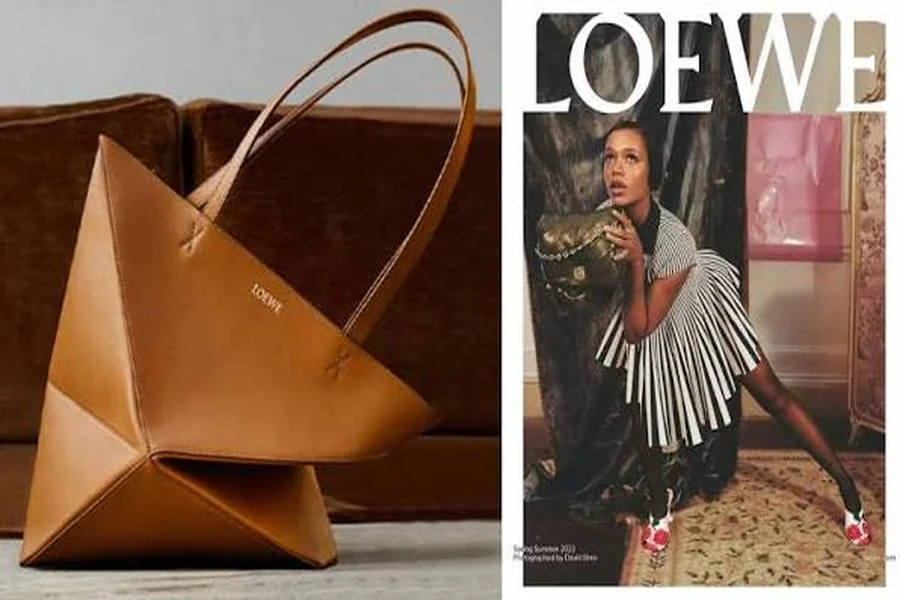
For generations, the concept of elite fashion has been synonymous with total exclusivity, unmatched craftsmanship, and a certain mystique that only a select few could access. The story of high-end retail is inherently tied to this fundamental human desire for the extraordinary and the unique. In fact, when examining the market, the concept of Draped in Decadence: The Evolution and Future of Luxury Brands becomes a compelling study of cultural shifts, economic power, and technological advancement. From the opulent courts of European royalty to the sleek, digital storefronts of the modern era, top-tier labels have constantly reinvented themselves to maintain their elevated status. This journey is not just about expensive materials or recognizable logos; it is about the careful, deliberate curation of an aspirational lifestyle. As society progresses, the definition of what makes something truly premium shifts alongside it. We are currently witnessing a monumental transition where heritage houses are forced to balance their storied pasts with the rapid demands of a hyper-connected, environmentally conscious generation. Understanding this trajectory offers profound insights into how global prestige is manufactured, maintained, and successfully monetized in an ever-changing global market.
The Origins of Craftsmanship and Elite Patronage
To comprehend where premium fashion is heading, we must first look at its historical origins. Centuries ago, the concept of a luxury brand did not exist in the corporate sense we understand today. Instead, luxury was an exclusive royal prerogative. Monarchs, aristocrats, and high-ranking members of society commissioned highly skilled artisans to create bespoke garments, intricate jewelry, and tailored leather goods. These items were meticulously crafted entirely by hand, often taking months or even years of intensive labor to complete. The intrinsic value of these early luxury goods was derived entirely from their absolute scarcity and the immense, specialized skill required to produce them. Artisanal guilds protected their trade secrets fiercely, ensuring that only the most talented and vetted craftsmen could produce items deemed worthy of the elite class. There were no seasonal collections or mass marketing campaigns; there was only the pure pursuit of aesthetic perfection. During the industrial revolution, the economic and social landscape began to shift dramatically. While the advent of mass production made everyday goods more accessible to the rapidly expanding middle class, it simultaneously elevated the status of handmade, artisanal creations. The earliest recognized luxury houses established themselves during this transformative period, capitalizing on their deep-rooted heritage and unwavering commitment to uncompromised quality. These visionary founders built their enduring reputations on the promise of durability, refined elegance, and an unspoken guarantee of social elevation. Owning a bespoke piece from these legendary makers meant aligning oneself with a powerful legacy of excellence and refined taste. As international travel by train and ocean liner became more feasible and comfortable for the wealthy elite, these regional artisans transformed into globally recognized icons. The iconic monogrammed trunks, impeccably tailored bespoke suits, and delicate hand-rolled silk scarves we recognize today were initially born out of a practical necessity for elegant travel and formal social engagements. This foundational era solidified the bedrock of the high-end market, proving definitively that discerning consumers were always willing to pay a significant premium for authentic heritage, meticulous craftsmanship, and the sheer decadence of flawless design.
The Twentieth Century Shift Toward Mass Exclusivity
As the twentieth century progressed, prestigious heritage brands faced a unique and daunting commercial paradox regarding how to significantly grow a global business while maintaining the crucial illusion of absolute exclusivity. The industry’s solution was the careful democratization of luxury, a delicate balancing act that allowed elite fashion houses to reach a vastly broader audience without severely diluting their core prestige. This transformative era saw the widespread introduction of ready-to-wear collections, designer fragrances, cosmetics, and accessible small leather accessories. By strategically offering these entry-level items, heritage brands could effectively capture aspirational consumers who deeply craved a piece of the high-end lifestyle but could not possibly afford the astronomical prices of bespoke haute couture. It was a brilliant retail strategy that successfully turned exclusive ateliers into multi-billion-dollar global enterprises. This period also marked the undeniable rise of prominent logo culture across the fashion landscape. The visual emblem of a brand became just as important, if not significantly more so, than the physical craftsmanship of the item itself. Recognizable logos served as immediate visual shorthand for personal wealth and elevated social status, allowing consumers to proudly project their success outward to the world. Towering billboards, glossy high-fashion magazine spreads, and strategic celebrity endorsements actively fueled this consumer desire, effectively turning high-end luxury items into universal cultural touchstones. However, this aggressive global expansion came with inherent business risks. Severe overexposure threatened to strip these historic brands of their essential mystique. To actively counter this phenomenon, fashion houses began tightly controlling their retail distribution networks, systematically pulling their products from generalized department stores and opening incredibly extravagant flagship boutiques in major capital cities. These physical retail spaces were meticulously designed to be immersive temples of consumption, offering impeccable, personalized customer service and a brand experience that fully justified the exorbitant price tags. The stunning architecture, the curated lighting, and the highly attentive staff all contributed to an overwhelming atmosphere of decadence, reinforcing the core idea that purchasing a luxury item was not merely a retail transaction, but a highly privileged, unforgettable event.
Digital Disruption and the Modern High-End Consumer
The dawn of the new millennium introduced a powerful disruptive force that the traditional luxury sector initially resisted with great skepticism, which was the internet. For many years, prestigious heritage brands stubbornly viewed e-commerce as entirely antithetical to the authentic luxury experience. Executives openly questioned how the tactile, sensual pleasure of inspecting fine calfskin leather or the highly personalized, white-glove attention of a dedicated boutique associate could ever be replicated on a digital screen. Yet, as digitally native millennials and Generation Z consumers gained significant global purchasing power, elite fashion houses realized they had no choice but to adapt or risk total irrelevance. The subsequent evolution of the high-end sector in the digital age has been nothing short of revolutionary and fundamentally transformative. Today, a brand’s digital presence and technological ecosystem are just as critical to its survival as its physical flagship storefronts. High-end labels have completely mastered the nuanced art of digital storytelling, effectively utilizing massive social media platforms to broadcast their spectacular runway shows live, share intimate behind-the-scenes glimpses of their Parisian ateliers, and systematically cultivate a fierce sense of community among their millions of followers. Influencers, digital content creators, and global brand ambassadors have largely replaced traditional Hollywood celebrities as the primary vehicles for trendsetting and consumer acquisition. Furthermore, the actual shopping experience itself has been radically transformed by cutting-edge technology. Sophisticated virtual try-ons, highly immersive augmented reality showcases, and advanced AI-driven personalized product recommendations have successfully bridged the gap between physical retail and the digital ether. The modern, affluent luxury consumer fully expects seamless, intuitive omnichannel integration at every touchpoint. They might easily discover a new handbag on a social media feed, extensively research its artisanal provenance on a beautifully designed interactive website, and seamlessly finalize the purchase through a dedicated, highly secure mobile application. This digital awakening has permanently forced legacy brands to be more agile, highly transparent, and constantly innovative, proving definitively that true modern decadence now requires a flawless technological interface existing perfectly alongside impeccable physical craftsmanship.
Sustainability as the Ultimate Mark of Prestige
Looking progressively toward the future, the single most significant philosophical shift in the global luxury landscape is the rapidly growing consumer demand for genuinely ethical and fully sustainable business practices. The modern affluent consumer is incredibly highly educated, globally aware, and deeply concerned about the severe environmental and social impact of their personal purchases. Consequently, the concept of decadence is no longer defined merely by unapologetic material excess; it is increasingly defined by conscious corporate responsibility. True, modern luxury today means having the absolute certainty that a beautiful garment or accessory was produced without brutally exploiting vulnerable garment workers or needlessly ravaging the planet’s finite natural resources. Elite fashion houses are responding to this monumental shift by fundamentally rethinking and restructuring their entire global supply chains from the ground up. We are actively witnessing a massive surge in the innovative use of groundbreaking, eco-friendly materials such as lab-grown conflict-free diamonds, highly durable mushroom-based leather alternatives, and premium fabrics woven directly from recycled ocean plastics. Forward-thinking brands are aggressively implementing circular business models, proudly offering lifetime repair services to significantly extend the functional lifespan of their products, and even willingly embracing the booming luxury resale and vintage market. Complete corporate transparency is rapidly becoming a strict, non-negotiable consumer requirement. Affluent buyers now expect to easily trace the exact journey of their luxury goods, all the way from the ethical sourcing of the raw material to the final, finished product. This industry-wide shift toward profound sustainability is clearly not just a fleeting marketing trend; it is a permanent, fundamental redefinition of what constitutes global prestige. In the coming decades, a brand’s verified commitment to protecting the planet will be just as fundamentally crucial to its overall desirability as its cutting-edge aesthetic appeal or its storied historical legacy.
FAQs
What defines a luxury brand in the modern market? A modern luxury brand is defined by a unique combination of exceptional traditional craftsmanship, rich historical heritage, exclusive product availability, and increasingly, a strict commitment to sustainable and ethical production methods. How has advanced technology impacted high-end fashion? Technology has completely revolutionized high-end fashion by enabling global e-commerce, creating immersive digital marketing campaigns, and utilizing cutting-edge innovations like augmented reality to vastly enhance the virtual shopping experience. Why is environmental sustainability important for the future of luxury? Sustainability is vitally important because today’s highly discerning consumers equate true prestige with environmental and social responsibility, essentially forcing heritage brands to adopt eco-friendly materials and fully transparent global supply chains. Will physical luxury boutiques ever become entirely obsolete? Physical boutiques will not become completely obsolete, but they will rapidly evolve into highly experiential showrooms that focus heavily on offering personalized, deeply immersive brand encounters rather than merely facilitating standard retail transactions. How do traditional heritage brands attract younger generations? Heritage brands successfully attract younger generations by collaborating with popular contemporary designers, maintaining an incredibly active and engaging social media presence, and actively aligning their core corporate values with modern social issues.
Final Thought
The extraordinary trajectory of elite global fashion is a powerful testament to the industry’s remarkable ability to constantly adapt to changing times without losing its essential soul. The captivating narrative of Draped in Decadence: The Evolution and Future of Luxury Brands clearly reveals that while the raw materials, digital platforms, and consumer demographics may constantly shift, the fundamental human desire for breathtaking beauty, absolute exclusivity, and exceptional quality remains permanently constant. As we look ahead to the next era of high fashion, the most tremendously successful houses will undoubtedly be those that proudly honor their rich artisanal heritage while courageously embracing bold technological innovation and unwavering environmental stewardship. Ultimately, the true future of high-end luxury is not merely about what exquisite items we choose to wear, but the profound personal values we choose to project to the watching world.