
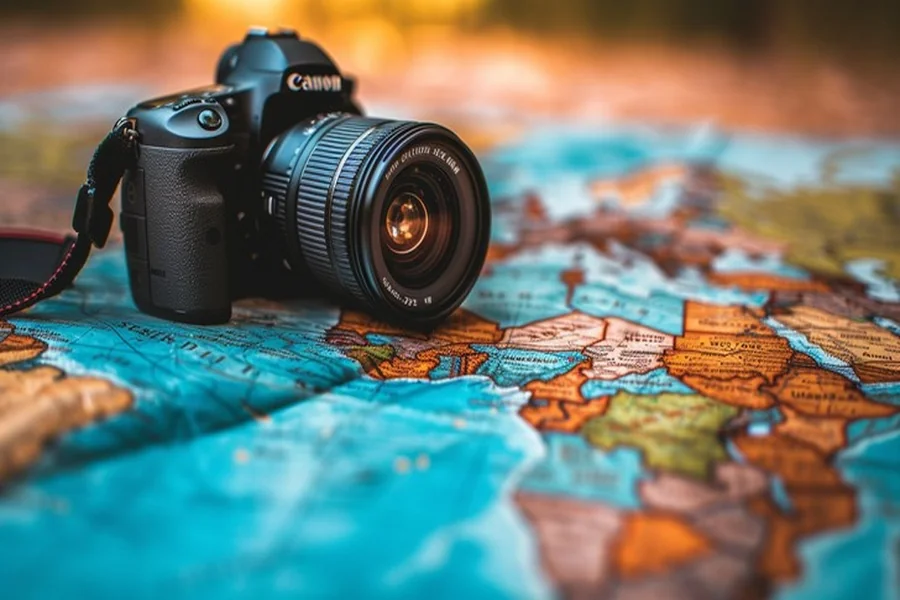
There is a profound difference between simply visiting a destination and truly experiencing it. For many, a camera is the ultimate passport to deeper immersion. Capturing the Globe: Through the Lens of a Traveler involves more than just pointing a device at a famous monument; it requires a mindful presence and an eagerness to understand the pulse of a new place. When we journey across borders, we are bombarded with novel sights, sounds, and scents that can easily overwhelm the senses. The camera acts as a grounding tool, forcing us to slow down, isolate a single moment from the surrounding chaos, and preserve it forever. This practice transforms fleeting memories into tangible art, allowing us to share the majesty of our globe with others.
Photography while wandering across continents is not merely about validation or seeking the perfect postcard shot. It is a language of its own, universally understood, capable of bridging cultural divides and telling stories that words often fail to convey. As a nomadic photographer, you learn to read the light, anticipate human interactions, and recognize the extraordinary within the ordinary. Your viewfinder becomes a window into the soul of a city, a sweeping landscape, or a tight-knit local community.
Whether you are navigating the chaotic, spice-scented alleyways of a Moroccan souk or standing in awe before the silent, majestic peaks of the Patagonian Andes, the fundamental goal remains the same: to authentically document the essence of your journey. Through this endeavor, the photographer is ultimately changed. The act of looking so intently at the world fundamentally alters how one interacts with it. Patience is cultivated as you wait for the perfect light to bathe a cobblestone street, and empathy is nurtured as you look into the eyes of a stranger to ask for a portrait. The global journey becomes inextricably linked to the visual journey.
The Art of Seeing the World Differently
Mastering travel photography is heavily reliant on developing a unique photographic eye. The distinction between a mediocre snapshot and a breathtaking photograph often lies in the photographer’s ability to see what others casually overlook. When visiting iconic landmarks, the instinct is to stand in the exact spot millions of others have stood, resulting in identical, predictable images. The true art lies in challenging yourself to find a fresh perspective. You might crouch low to use a puddle for a striking reflection, frame a famous structure through the intricate wrought iron of a nearby gate, or focus entirely on the colorful reactions of the crowd rather than the monument itself.
Light is the lifeblood of photography, and understanding its nuances will drastically elevate your travel portfolio. The most magical images are rarely captured under the harsh, flat light of midday. Instead, seasoned visual storytellers chase the golden hour—the fleeting moments just after sunrise and just before sunset when the sun casts a warm, directional glow that creates deep, dramatic shadows. Waking up before dawn offers a dual advantage: you are rewarded with magnificent light, and you get to witness a location in its most authentic, quiet state before the crowds descend.
Equally important is the blue hour, the period of twilight when the sky takes on a deep, saturated azure hue that contrasts beautifully with the warm yellow glow of city streetlamps. Embracing these unique lighting conditions requires dedication and a willingness to sacrifice sleep, but the resulting imagery is always worth the effort. By constantly scanning your environment for interesting textures, leading lines, and pockets of natural light, you train your brain to constantly process the world as a canvas of endless possibilities.
Packing Light but Shooting Big
One of the most persistent dilemmas for a traveling photographer is deciding what gear to bring. The temptation to pack every lens, filter, and accessory you own is strong, driven by the fear of missing out on a specific type of shot. However, overpacking is a guaranteed way to exhaust yourself and dampen the joy of your journey. Lugging a heavy backpack filled with glass and metal across a humid jungle or up a steep mountain trail will quickly turn your passion into a burden. The golden rule is agility: pack light to shoot big.
For the vast majority of trips, a highly capable mirrorless camera body paired with a versatile zoom lens, such as a 24-70mm, is more than sufficient to handle landscapes, street scenes, and portraits. If you want to push your creativity, adding a single, fast prime lens—like a 35mm or 50mm f/1.8—will provide incredible sharpness and the ability to shoot comfortably in low-light environments without adding significant weight. Limiting your gear forces you to rely on your feet to frame the shot, encouraging active engagement with your surroundings rather than passively zooming in from a distance.
Beyond lenses, prioritizing power and data security is crucial. Adapters, a sturdy but lightweight travel tripod, and multiple high-capacity batteries are non-negotiable essentials. Furthermore, an impeccable backup strategy will save you from unimaginable heartbreak. The sheer volume of data generated during a multi-week trip is massive. Get into the habit of backing up your memory cards every single night to two separate rugged external hard drives, and whenever you find a reliable internet connection, upload your highest-rated files to a cloud service. Gear can be replaced if lost or damaged, but the visual memories of your global adventures cannot.
Finding the Story in Every Frame
A powerful photograph is one that tells a compelling story, transporting the viewer directly into the heart of the destination. When building a visual diary of your travels, it is vital to think in terms of a cohesive narrative rather than a collection of random, disconnected images. A helpful framework is to approach your photography like a filmmaker. You need wide establishing shots to show the grand scale of a landscape or the sweeping architecture of a city. You need medium shots to show people interacting with their environment, bringing context and life to the scene. Finally, you need intimate detail shots—the weathered hands of a local artisan, the vibrant spices in a market bin, or the intricate pattern of a traditional textile.
To craft a compelling story, you must also be willing to document the unglamorous aspects of travel. While crystal-clear beaches and perfectly plated meals are lovely, they only represent a fraction of the reality. Capturing the gritty, chaotic, and sometimes exhausting moments provides a much more honest and relatable narrative. A photograph of a delayed, crowded train or a sudden, torrential downpour can evoke powerful emotions and convey the true spirit of adventure.
Anticipation is a critical skill in storytelling. Instead of constantly wandering, find a visually interesting background with great light, and simply wait for the story to unfold in front of you. Wait for a bicycle to pass through a shaft of sunlight, or for a street vendor to share a laugh with a customer. By setting the stage and letting the action come to you, your images will feel organic and deeply authentic. This patient approach transforms you from a frantic tourist snapping pictures of everything into a deliberate storyteller curating moments of significance.
Connecting with Cultures Behind the Camera
Travel photography is inherently an exchange between the person behind the lens and the world in front of it. When photographing people, this dynamic requires immense respect, cultural sensitivity, and basic human decency. Treating locals simply as props for your portfolio is an unethical and extractive approach. The most striking portraits are always born from a genuine connection, no matter how brief it may be.
Before raising your camera to your eye, take a moment to engage with the person. A warm, friendly smile is a universal icebreaker. Learning a basic greeting in the local language shows respect and goes a long way in establishing trust. In many cases, you do not even need a shared spoken language; a polite gesture pointing to your camera and a questioning look is usually universally understood. If the person declines or seems uncomfortable, you must respect their boundaries immediately and lower your camera. There will always be another willing subject, and forcing a photograph ruins the experience for both parties.
When someone does grant you permission, show them the result on your camera’s digital screen. The joy and surprise that light up a person’s face when they see a beautiful portrait of themselves are incredible to witness. If the logistical situation allows, ask for an email address or a messaging contact to send them the final edited image. This simple act of reciprocity changes the dynamic from a one-sided taking of an image to a mutual sharing of a moment. A camera should act as a bridge to connect you with the beautiful diversity of humanity, fostering mutual understanding and respect across the globe.
FAQs
What is the best camera for a wandering photographer? The ideal choice depends on your specific needs, but modern mirrorless systems are highly recommended due to their compact size, lighter weight, and exceptional image quality.
How can I keep my gear safe from theft while traveling? Always carry your main equipment in a discreet, weather-resistant daypack that does not look like a traditional camera bag, and remain vigilant in crowded tourist areas.
Is it necessary to edit travel photographs? While basic adjustments to contrast, exposure, and color balance can enhance a photograph, it is best to avoid heavy manipulation to preserve the authentic reality of the destination.
How do you manage massive photo files on the road? A reliable strategy involves saving your daily files to at least two rugged external hard drives and uploading the best selections to a cloud service whenever a stable internet connection is available.
How should one approach strangers for portraits in foreign countries? You should always approach with a warm smile, attempt to use a few local words, and clearly gesture or ask for permission before lifting your camera to your eye.
Final Thought
Documenting your global journeys is a beautiful, lifelong pursuit that continuously challenges your creativity and broadens your worldview. The technical aspects of aperture, shutter speed, and composition are merely the foundational tools; the true essence of travel photography lies in your curiosity and your willingness to embrace the unknown. Remember that the camera is there to enhance your adventure, not to distract you from it. Sometimes, the most profound moments are the ones where you choose to put the camera down and simply absorb the world with your own eyes. Let your passion for storytelling drive you, respect the incredible people and places you encounter, and your photographs will naturally reflect the extraordinary beauty of your time spent wandering the earth.