
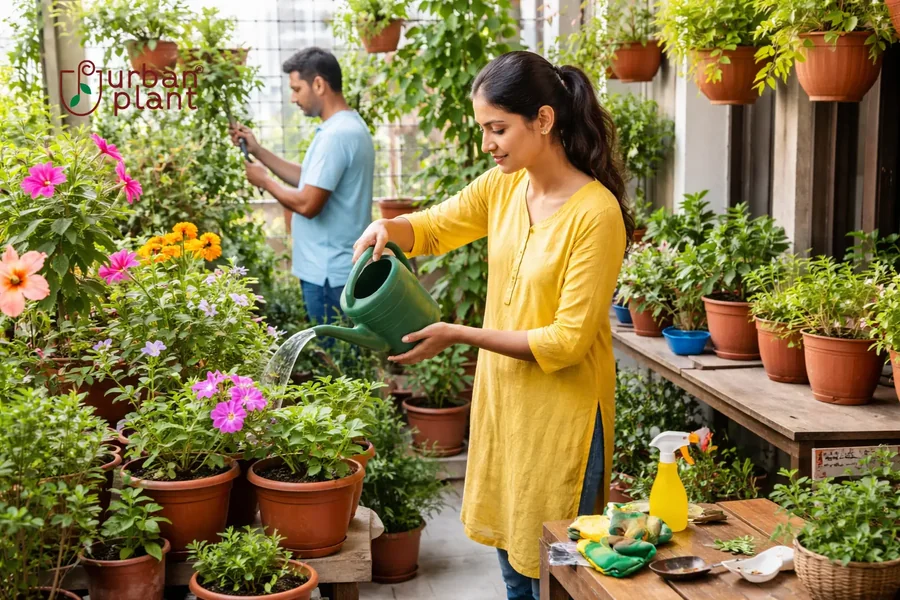
Living in a high-rise building, a cozy studio, or a modest flat does not mean you have to abandon your lifelong dream of cultivating a thriving green space. Unlocking the best Urban Gardening Secrets for Apartment Dwellers can completely transform how you interact with nature on a daily basis, turning a sterile living area into a vibrant ecosystem. When you live surrounded by concrete, asphalt, and glass, bringing a slice of nature indoors or onto a tiny balcony can significantly boost your mood, improve your indoor air quality, and even provide you with fresh organic herbs for your evening meals. You certainly do not need a sprawling backyard, a massive greenhouse, or acres of land to get started on this rewarding journey. All it takes is a little bit of creativity, a thorough understanding of your specific living environment, and a willingness to get your hands slightly dirty. The true beauty of cultivating plants in a confined space lies in the intricate details and the close relationship you build with your greenery. By carefully observing your indoor climate, noting temperature fluctuations, and making smart, informed choices, you can create a miniature jungle that thrives beautifully year-round. This comprehensive guide will walk you through the essential techniques, practical methods, and insider knowledge needed to turn your apartment into a vibrant, living sanctuary, regardless of how limited your square footage might be. Embracing indoor plant care is not just about decoration; it is about fostering life and creating a peaceful refuge from the bustling city outside your door.
Choosing the Right Plants for Small Spaces
The absolute foundation of any successful indoor garden is selecting plants that are naturally predisposed to survive and thrive in your specific environment. It is incredibly tempting to walk into a local plant nursery or garden center and purchase the most exotic, visually striking tropical plant currently on display. However, if that particular plant requires high humidity, constant warmth, and twelve hours of direct sunlight, it will likely struggle and perish in a standard apartment setting. Begin your horticultural journey by assessing your available space with complete honesty. If you are fortunate enough to have a sun-drenched south-facing window, you can successfully grow a wide variety of sun-loving culinary herbs like basil, thyme, rosemary, and oregano right on your windowsill. Succulents, cacti, and flowering plants will also bask happily in this intense, prolonged light. Conversely, if your apartment only features north-facing windows or is heavily shaded by towering neighboring buildings, you will need to shift your focus to low-light champions. Snake plants, ZZ plants, and trailing pothos are incredibly resilient species that can easily adapt to dimmer conditions without losing their striking visual vigor. Ferns, calatheas, and peace lilies are also excellent choices for areas with lower light, provided you can maintain the higher humidity levels they crave. When selecting your green companions, you must also consider their mature size and growth habits. A Monstera deliciosa is a beautiful and trendy specimen, but its massive leaves and sprawling aerial roots can quickly take over a small corner of a studio apartment. Instead, opt for compact varieties or trailing plants that can be elegantly hung from the ceiling or placed high on bookshelves. By utilizing vertical space rather than sacrificing precious floor area, you can dramatically increase the number of plants you own without making your home feel cluttered. Choosing the right plant for the right spot is more than half the battle won when it comes to indoor gardening.
Mastering Containers and Potting Soil
In a typical apartment setting, your beloved plants are entirely dependent on the containers and the soil ecosystem you deliberately provide for them. Unlike outdoor garden plants that can stretch their root systems deep into the earth to forage for moisture and essential nutrients, indoor houseplants are strictly confined to their pots. Therefore, mastering the nuanced art of container gardening is absolutely crucial for your success. The single most important rule when choosing a pot or planter is ensuring it has adequate drainage holes at the bottom. Without proper drainage, excess water will inevitably pool at the bottom of the container. This soggy environment quickly leads to root rot, which is arguably the most common cause of indoor plant mortality. You can utilize a wide variety of materials including plastic, terracotta, or glazed ceramic pots, but it is vital to understand that each material behaves very differently. Terracotta clay is highly porous and allows the potting soil to breathe and dry out much more quickly, making it the ideal choice for succulents, cacti, and other plants that prefer arid conditions. Plastic and glazed ceramic, on the other hand, retain soil moisture for a longer duration, which is highly beneficial for moisture-loving ferns, calatheas, and other tropical species. When it comes to the soil itself, you must never use ordinary garden dirt dug up from outside. Outdoor soil is far too heavy, compacts easily in pots, and very often contains unwanted pests, weed seeds, or fungal diseases. Instead, invest in a premium, high-quality, lightweight potting mix designed specifically for indoor container plants. These specialized mixes typically contain ingredients like peat moss or coco coir for excellent moisture retention, alongside generous amounts of perlite or pumice to ensure superior aeration and rapid drainage. You can even take your gardening skills a step further by customizing your soil mix based on the specific plant’s needs. For example, adding extra perlite and coarse sand creates a perfect environment for cacti, while blending in some chunky orchid bark provides the ideal airy texture for epiphytes like pothos, philodendrons, and monsteras.
Maximizing Light in a Shady Apartment
Light is the fundamental driving force behind photosynthesis, the vital process by which all plants produce the food and energy they need to survive and grow. In an urban apartment environment, securing adequate and consistent lighting can very often be the most challenging hurdle for any indoor gardener to overcome. Before bringing any new plants into your home, take a few days to map out how the natural light moves through your apartment from morning until evening. East-facing windows provide gentle, cool morning sun, which is absolutely perfect for many delicate tropical houseplants that might burn in harsher conditions. West-facing windows offer intense, warm afternoon heat, which is highly suitable for robust sun-lovers but potentially scorching for plants with thin, delicate foliage. If you discover that your apartment is severely lacking in natural sunlight, you certainly do not need to despair or give up your gardening goals. The rapid advancement of modern LED grow light technology has completely revolutionized indoor gardening in recent years. These specialized lights are highly energy-efficient, emit very little ambient heat, and can be easily customized to provide the exact specific spectrum of light that your plants need to photosynthesize optimally. You can now find grow lights in the form of stylish bulbs that screw directly into your existing standard desk lamps, sleek under-cabinet light panels, or adjustable halo lights that stick directly into the plant’s soil for targeted illumination. To maximize whatever precious natural light you do naturally receive, make it a habit to keep your window panes spotlessly clean and gently dust the leaves of your houseplants on a regular basis. A heavy accumulation of household dust can actually block sunlight from effectively reaching the chloroplasts inside the leaves, thereby hindering the plant’s natural ability to feed itself. Additionally, using reflective surfaces and mirrors strategically throughout your apartment can help bounce natural light deeper into a room, significantly brightening up those darker corners where you might want to proudly display a shade-tolerant plant.
Smart Watering Techniques for Indoor Plants
Watering often seems like the most straightforward and simplest aspect of plant care, yet it is precisely where most novice indoor gardeners make their most fatal errors. The biggest and most dangerous misconception is the belief that plants need to be watered on a strict, rigid, and unchanging calendar schedule, such as every Sunday morning without fail. In reality, a plant’s specific water needs will fluctuate wildly based on the current season, the ambient temperature of your apartment, the indoor humidity levels, and the exact amount of sunlight it is currently receiving. During the active spring and summer growing seasons, plants are consuming energy and will naturally require more frequent watering. In the dark days of winter, when their growth slows down to a near halt, their water requirements drop significantly. Instead of relying blindly on a calendar app, learn to rely on the physical and visual cues provided by the soil and the plant itself. The most reliable and universally accepted method is the simple finger test: gently insert your index finger about an inch or two deep into the potting soil. If the soil feels dry to the touch, it is generally time to water. If it still feels noticeably moist or cool, you should hold off for a few more days and check again. When you finally do water your plants, make sure to do so thoroughly and deeply until excess water runs freely out of the drainage holes at the very bottom of the pot. This deep watering technique ensures that the entire root system is properly hydrated and helps to flush out any accumulated mineral salts left behind by liquid fertilizers. Always remember to empty the saucer beneath the pot after about thirty minutes so that the plant does not sit in a puddle of stagnant water, which can quickly drown the roots. For plants that originate from the tropics and require high ambient humidity, consider using a pebble tray filled with fresh water or placing a small electric humidifier nearby. The dry, artificially heated or cooled air found in most climate-controlled urban apartments can rapidly cause the delicate tips of their leaves to turn brown, crispy, and unsightly.
Final Thought
Creating a lush, vibrant indoor garden within the confines of an apartment is an incredibly rewarding journey filled with exciting trial, occasional error, and eventual glorious triumph. By thoroughly understanding your unique environmental constraints and learning to work creatively within them, you can successfully cultivate a beautiful, thriving collection of houseplants that brings joy to your daily routine. Always remember to start small, observe your plants closely as they adapt to your home, and never be discouraged if a plant does not survive; every single mistake is simply a valuable learning opportunity that will make you a better gardener. With unwavering patience, consistent care, and a willingness to learn, your small apartment can easily become the tranquil, oxygen-rich green oasis you have always envisioned.
FAQs
Q: What are the easiest and most forgiving plants for absolute apartment beginners to grow? A: Snake plants, ZZ plants, and trailing pothos are incredibly forgiving, require minimal ongoing maintenance, and can survive in various light conditions, making them absolutely perfect for beginners.
Q: How often should I realistically fertilize my indoor apartment plants throughout the year? A: You should generally aim to fertilize your indoor plants about once a month using a balanced liquid fertilizer during the active growing season in spring and summer, pausing entirely during the dormant winter months.
Q: Can I actually grow edible vegetables inside my apartment if I do not have access to an outdoor balcony? A: Yes, you can successfully grow nutrient-dense microgreens, culinary herbs, and even small dwarf varieties of tomatoes or peppers indoors if you provide them with strong, dedicated, full-spectrum LED grow lights.
Q: How do I effectively prevent and treat annoying insect pests in my indoor apartment garden? A: Inspect all new plants carefully before bringing them inside, avoid chronically overwatering your soil, and routinely wipe down your plant leaves with a damp cloth or neem oil solution to proactively deter common pests.
Are there any specific types of plants you are currently hoping to grow in your apartment?