
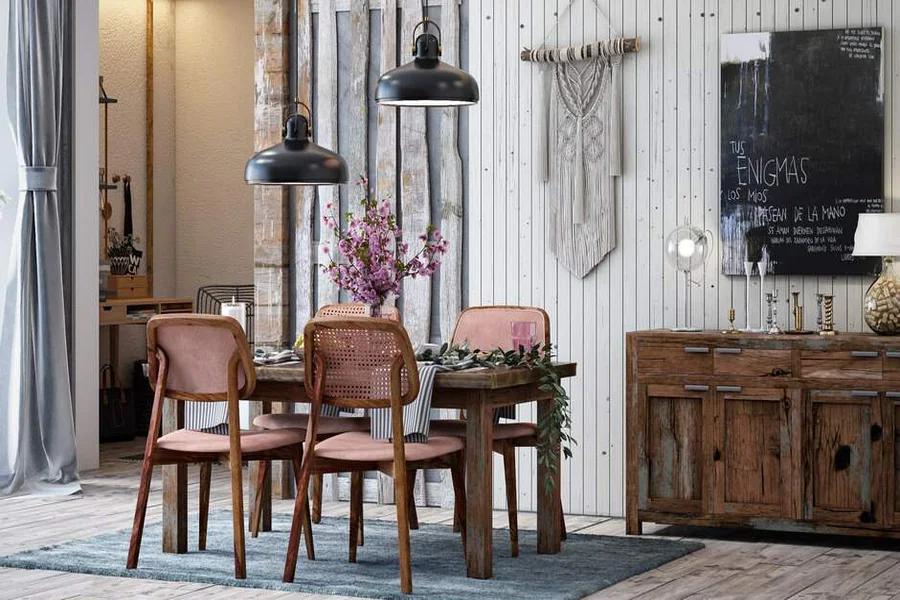
Home remodeling traditionally generates a staggering amount of debris. From torn-out drywall and shattered tiles to discarded fixtures and endless plastic packaging, the environmental toll of upgrading our living spaces can be immense. Every year, millions of tons of construction and demolition waste end up in landfills, contributing significantly to greenhouse gas emissions and environmental degradation. However, a growing movement is challenging this wasteful norm. Homeowners, designers, and contractors alike are now embracing the core concepts of Zero-Waste Renovations: Building a Better Space with Less. This philosophy shifts the focus from simply buying brand-new items to thoughtfully reusing, repurposing, and recycling existing resources. It is entirely possible to create a stunning, modern, and highly functional environment without sending truckloads of usable materials to the local dump. By adopting circular economy principles in your remodeling efforts, you not only reduce your ecological footprint but also often save money and add unique, historical character to your home. Achieving a successful outcome requires careful planning, a willingness to get creative, and a commitment to seeing inherent value where others might just see garbage. The transition from a traditional demolition-and-dump mindset to one of mindful deconstruction can dramatically reshape how you view your entire property, turning your renovation journey into an act of environmental stewardship.
The Principles of Sustainable Remodeling
At the core of an environmentally conscious home upgrade is the vital concept of deconstruction rather than demolition. Demolition relies on brute force to tear down walls, smash cabinetry, and rip out fixtures as quickly as possible, resulting in a jumbled mess of ruined materials that can only go straight to the dump. Deconstruction, conversely, is the careful, systematic dismantling of a structure or a room. By taking things apart piece by piece, you can salvage a tremendous amount of usable material. Hardwood flooring can be pulled up gently, de-nailed, and refinished. Kitchen cabinets can be unscrewed, cleaned, and either reinstalled in a garage, painted for a secondary space, or donated to a local architectural salvage yard.
Embracing this deconstruction principle requires more time and patience upfront, but it pays significant dividends in the long run. When you choose to deconstruct, you are immediately engaging in active waste diversion. Every door, window, and piece of baseboard trim that is carefully removed is one less item occupying precious space in a landfill. Furthermore, this meticulous approach preserves the embodied energy of the materials—the massive amounts of energy and water that were originally used to harvest, manufacture, and transport them. Throwing away a perfectly good wooden door means throwing away the decades it took the tree to grow, the energy used to mill the wood, and the fuel burned to ship it.
Another guiding principle of this movement is prioritizing durability and longevity over fleeting interior design trends. Fast fashion has a direct counterpart in home decor, where cheap, poorly manufactured materials are installed only to be ripped out a few years later when they inevitably break or go out of style. A true zero-waste mindset demands that any new materials brought into the home are built to last a lifetime. Opting for solid wood, natural stone, heavy-duty hardware, and high-quality metals ensures that your renovation will stand the rigorous test of time. When these high-quality materials eventually do reach the end of their functional lifecycle, natural elements can be recycled or composted much more easily than synthetic composite boards heavily bound with toxic, unrecyclable glues.
You must also deeply consider the entire lifecycle of the products you choose to bring into your space. Think about where a material originates, how it was ethically or unethically manufactured, and what will realistically happen to it when you no longer need it. Choosing products with exceptionally high recycled content, such as beautiful glass countertops made from crushed bottles or tiles manufactured from reclaimed porcelain, helps close the industrial loop. This purchasing behavior actively supports green industries that are working tirelessly to reduce manufacturing waste on a global scale.
Planning Your Eco-Friendly Project
Thorough, strategic planning is the absolute bedrock of any low-waste remodeling project. Without a detailed, written blueprint of how you will handle materials coming in and going out, it is far too easy to default to standard, wasteful practices when you are under the stress and pressure of a tight timeline. Start your journey by conducting a comprehensive, honest audit of the space you intend to renovate. Take a detailed inventory of absolutely everything currently in the room. What can remain exactly where it is? What can be slightly modified, repaired, or repainted to fit the new aesthetic? What elements must absolutely be removed for the new layout to function?
Once you have a crystal-clear picture of what needs to leave the space, establish a strict diversion strategy. Research your local recycling centers, scrap metal yards, and non-profit organizations like Habitat for Humanity ReStore that willingly accept donations of gently used building materials. Create designated sorting zones on your property before the physical work even begins. You should have separate, clearly marked areas for untreated wood, metal, masonry, cardboard, plastics, and items destined for donation. Having these bins clearly labeled and easily accessible prevents the dreaded mixed debris pile, which is notoriously difficult to sort after the fact and almost inevitably ends up in a rented dumpster headed for the trash.
Communicating your environmental goals to your hired contractors is equally vital to the project’s success. If you are hiring professional builders, plumbers, or electricians, make sure they clearly understand your absolute commitment to minimizing trash from day one. Include specific waste diversion requirements and deconstruction clauses directly in their contract. Some traditional contractors may push back initially, as deconstruction and careful sorting require more physical labor and undeniably slow down the initial demolition phases of a project. However, many modern, forward-thinking builders are highly receptive to these sustainable practices and may even have their own established networks for recycling and material donation. Be fully prepared to pay slightly more for the extra labor hours involved in careful deconstruction, but remember that you can often offset these specific costs through generous tax deductions for your donated items and massive savings on expensive dumpster rental fees.
Finally, plan your material purchases meticulously to avoid surplus. Over-ordering building materials is a major, yet highly preventable, source of construction waste. Measure your space twice, and consult with seasoned professionals to calculate exactly how much lumber, tile, flooring, or paint you actually need. While it is customary in the trades to order a small percentage extra for tricky cuts and human mistakes, be conservative with this buffer. If you do end up with leftover pristine, unused materials, have a proactive plan to return them to the supplier, sell them on local online marketplaces, or donate them immediately rather than letting them sit and degrade in a damp basement for a decade.
Smart Material Sourcing and Disposal
Finding the right materials is arguably one of the most exciting and rewarding aspects of an eco-conscious remodel. Instead of heading straight to a massive, brightly lit big-box hardware store, start your material search at local architectural salvage yards, antique shops, estate sales, and online community marketplaces. Reclaimed materials carry a rich history, a unique texture, and a beautiful patina that brand-new, mass-produced items simply cannot replicate. A sturdy mantelpiece salvaged from an old farmhouse, vintage brass light fixtures from a historic hotel, or beautifully weathered barn doors can become stunning focal points in an otherwise modern room. Using reclaimed wood for flooring, accent walls, or custom shelving not only saves living trees but also gives your home a deeply unique, bespoke aesthetic that stands out from cookie-cutter neighborhood designs.
When you inevitably must buy new items, prioritize products that are rigorously certified for their environmental sustainability. Look for wood certified by the Forest Stewardship Council, which strictly guarantees it was harvested responsibly without depleting natural ecosystems. Seek out interior paints, primers, and floor finishes that boast low or zero volatile organic compounds. These healthier products are vastly better for both the outside environment and your family’s daily indoor air quality. Additionally, make a concerted effort to source your materials locally whenever geographically possible. Transporting heavy building supplies like stone and lumber across the globe generates a massive, often hidden, carbon footprint. Buying from regional lumber mills, nearby stone quarries, and local artisan fabricators significantly reduces transportation emissions while simultaneously supporting your immediate community’s local economy.
Proper disposal is the final, crucial step in the zero-waste cycle. Despite your absolute best efforts and meticulous planning, there will be some inevitable waste generated by the project. The overarching goal is to ensure that as little of it as humanly possible goes to a traditional landfill. Clean, untreated wood scraps can be safely saved for winter firewood or run through a chipper to create organic garden mulch. Drywall offcuts, provided they are unpainted and completely uncontaminated by asbestos or old chemicals, can sometimes be crushed and added to garden soil as a helpful amendment, as the natural gypsum is highly beneficial for certain types of plants. Scrap metals, including old copper plumbing pipes, dented aluminum siding, and bent steel framing studs, are highly valuable commodities and should always be transported to a local scrap yard for recycling.
For complex materials that cannot be easily reused or recycled through standard municipal channels, aggressively look into specialized recycling programs. Some innovative manufacturing companies now take back ripped-up old carpet, faded vinyl siding, and crumbly asphalt shingles to chemically break them down and spin them into brand-new building products. Packaging is another massive, often overlooked waste stream in renovations. Confidently request that your suppliers deliver your raw materials with minimal plastic packaging, or ask them to personally take back their wooden delivery pallets and protective shrink-wrap once the drop-off is complete. By aggressively managing both what enters your home and exactly how it leaves, you can achieve a dramatic, measurable reduction in your remodeling project’s overall environmental impact.
FAQs
What exactly does it mean to do a zero-waste renovation? It is a remodeling approach focused on diverting as much material as possible from landfills through careful planning, gentle deconstruction, reusing existing items, and recycling inevitable debris.
Is it more expensive to renovate sustainably? While labor costs for careful deconstruction might be higher initially, you can often offset these expenses by avoiding disposal fees, repurposing items, and claiming tax deductions on donated materials.
Can I achieve a modern look with reclaimed materials? Absolutely, as mixing sleek, contemporary finishes with the textured character of salvaged wood or vintage hardware creates a sophisticated, layered, and highly customized modern aesthetic.
What should I do with my old kitchen cabinets? If they are in decent condition, carefully unscrew them and donate them to a building materials reuse center, or repurpose them for durable storage in your garage or basement.
How do I handle materials like old paint or harsh chemicals? These items are considered hazardous waste and must never be thrown in the regular trash or poured down a drain, so you must take them directly to a designated local hazardous waste drop-off facility.
Does my contractor have to be a green building expert? While it helps immensely if they have experience with sustainable building, any willing and flexible contractor can succeed if you clearly communicate your goals and set up a solid waste management plan.
Final Thought
Transforming your living environment does not have to come at the heavy expense of our planet’s health. By consciously shifting your perspective from relentless consumption to thoughtful conservation, you can easily create beautiful, highly personalized interiors that reflect both your personal style and your environmental values. The rewarding journey toward a more sustainable, efficient home begins with a single, mindful choice to deeply value our natural resources and build thoughtfully for the future.