
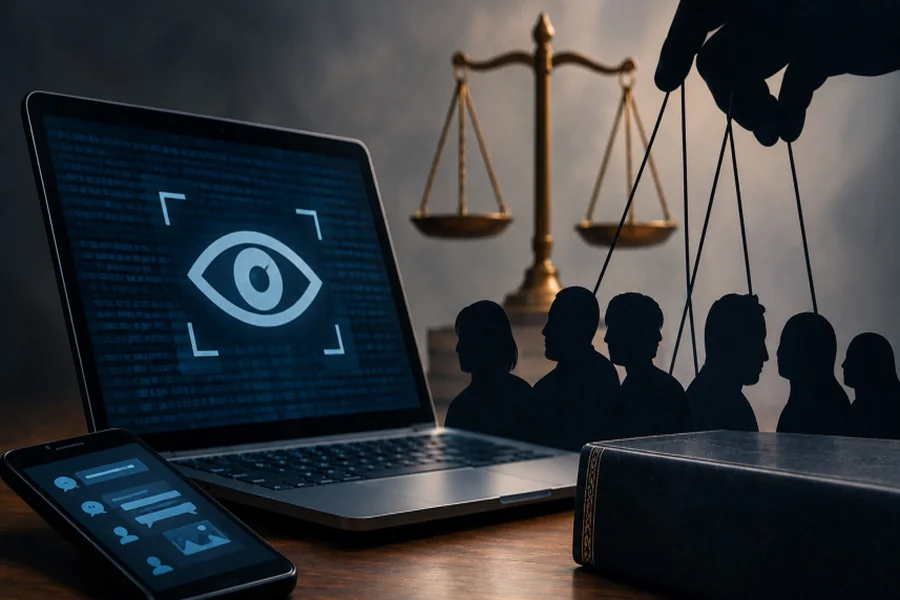
In today’s hyper-connected world, the internet is woven into the very fabric of our daily lives. From online banking and remote work to social media and e-commerce, our reliance on digital platforms is absolute and continuously growing. However, this convenience comes with significant risks that cannot be ignored. Cyber threats, data breaches, and digital harassment are rampant, creating a pressing need for a structured legal framework. This is exactly where a Cyber Law Authority steps in to maintain order. A designated agency or governing body responsible for overseeing digital legalities, this entity ensures that the virtual world remains a safe, fair, and regulated environment for everyone. By establishing clear rules and enforcing penalties for malicious activities, these regulatory bodies maintain boundaries in an otherwise borderless digital landscape. Without such an establishment, the internet would quickly devolve into a chaotic space where malicious actors could exploit vulnerable individuals and businesses without facing any legal repercussions. Therefore, understanding how these governing entities function is crucial for anyone who uses a smartphone, computer, or internet-connected device.
The Core Functions of a Digital Governing Body
When we talk about regulating the internet, the conversation immediately turns to the specific duties carried out by legal technology boards. The primary function of these agencies is to create, implement, and enforce legislation that dictates acceptable behavior in cyberspace. This involves drafting comprehensive policies that address everything from fundamental digital human rights to complex international corporate data transfers. By establishing these ground rules, regulatory agencies provide a clear roadmap for what constitutes illegal online behavior. They act as the definitive voice on internet governance, ensuring that the laws adapt as quickly as the technology itself evolves.
Another major function is the active investigation and prosecution of digital crimes. When a massive data breach occurs or a ransomware attack cripples a hospital’s infrastructure, it is the jurisdiction of internet regulatory bodies to step in. They work closely with local law enforcement, international policing organizations, and cybersecurity experts to track down perpetrators. Because digital crimes often cross international borders, these agencies must frequently engage in complex diplomatic collaborations to extradite cybercriminals and dismantle global hacking syndicates. This enforcement capability is what gives teeth to digital regulations, transforming them from mere suggestions into mandatory compliance standards.
Furthermore, these organizations serve a vital educational and advisory role for the general public and private sectors. They regularly publish guidelines, threat assessments, and best practices to help organizations fortify their digital perimeters. By raising public awareness about phishing scams, password hygiene, and safe browsing habits, they empower individuals to take proactive steps in protecting their own digital identities. They also advise governments on national security matters related to cyber warfare, ensuring that a country’s critical infrastructure—such as power grids, financial systems, and telecommunications networks—is resilient against state-sponsored cyberattacks.
Why Strict Internet Regulations Matter Today
The urgency for robust internet regulation has never been higher, primarily due to the sheer volume of sensitive data that now resides in the cloud. Every time you purchase a product online, sign up for a newsletter, or visit a healthcare portal, you are leaving a digital footprint that contains highly personal information. Without strict regulations in place, corporations could easily harvest, sell, or misuse this data for targeted advertising or political manipulation. Digital regulations ensure that companies are held legally accountable for how they collect, store, and process consumer information, effectively putting the power back into the hands of the individual user.
Moreover, the financial impact of cybercrime has reached astronomical levels, threatening the stability of global markets. Small businesses and massive enterprises alike are constantly under siege from malicious actors attempting to steal intellectual property, embezzle funds, or disrupt supply chains. When a business falls victim to a cyberattack, the fallout affects employees, stakeholders, and everyday consumers who may lose their savings or have their identities stolen. Regulatory bodies mandate that businesses implement specific security protocols, such as end-to-end encryption and multi-factor authentication, to drastically reduce the likelihood of these catastrophic breaches.
Social and psychological well-being is another critical reason why these legal frameworks are absolutely essential in modern society. The rise of social media has unfortunately birthed new forms of harassment, including cyberbullying, doxxing, and the non-consensual sharing of intimate images. These actions can have devastating, sometimes fatal, consequences for the victims. Digital governing bodies work to ensure that digital platforms take responsibility for moderating their communities. By holding platforms accountable for the content they host and providing legal recourse for victims of online abuse, these agencies strive to create a digital ecosystem where free speech is protected, but malicious harassment is swiftly penalized.
Major Areas Overseen by Cyber Regulators
One of the most prominent domains managed by internet regulatory agencies is data privacy and protection. Landmark legislations like the General Data Protection Regulation (GDPR) in Europe and the California Consumer Privacy Act (CCPA) in the United States have set global benchmarks for privacy. These laws dictate that users must give explicit consent before their data can be tracked or monetized. Regulators actively monitor corporate compliance with these privacy laws, issuing massive fines to tech giants and smaller companies alike when they fail to protect user data or obscure their data collection practices.
Intellectual property rights in the digital age represent another massive area of oversight for these authorities. With the advent of file-sharing networks, streaming platforms, and artificial intelligence, protecting the rights of creators has become incredibly complex. Digital regulators enforce copyright laws, trademark protections, and patent rules to ensure that artists, software developers, and writers are fairly compensated for their work. They work to shut down piracy websites, penalize entities that distribute stolen software, and navigate the murky legal waters of AI-generated content to protect original human innovation.
E-commerce and digital financial transactions also fall heavily under the purview of online legal frameworks. As consumers shift away from physical cash toward digital wallets, cryptocurrencies, and online banking, the risk of financial fraud skyrockets. Regulatory agencies implement strict compliance standards for financial technology companies, ensuring they utilize secure payment gateways and anti-money laundering protocols. They monitor the volatile cryptocurrency markets to prevent fraud and protect retail investors from predatory financial scams. By securing the avenues of digital commerce, these bodies maintain public trust in the modern digital economy.
Navigating Compliance for Businesses and Users
For businesses operating in the digital space, complying with the rules set forth by a regulatory agency is not just a legal obligation; it is a critical business strategy. The first step toward compliance is conducting a thorough internal audit of how data flows through the organization. Companies must identify what personal data they collect, where it is stored, who has access to it, and how long it is retained. Following this audit, businesses must draft transparent, easily understandable privacy policies that clearly inform users of their rights. Implementing a philosophy of “privacy by design”—where security features are built into products from the very beginning—is highly recommended by most regulatory bodies.
In addition to data management, businesses must prepare comprehensive incident response plans. The reality of the modern internet is that it is not a matter of if a cyberattack will happen, but when. Regulatory agencies require companies to have a structured plan in place to mitigate damage during a breach. This includes mandatory reporting timelines, where businesses must notify both the regulatory agency and the affected consumers within a specific window, often 72 hours. Failing to report a breach promptly can result in severe financial penalties and permanent damage to a company’s brand reputation.
For individual users, navigating these legal frameworks means understanding and exercising your digital rights. Users should regularly review the privacy settings on their social media accounts and mobile applications to restrict unnecessary data tracking. It is also important to read the terms of service—or at least the privacy summaries—before consenting to data collection. Individuals have the legal right in many jurisdictions to request a copy of the data a company holds on them, or to demand that their data be permanently deleted. By actively participating in their own digital security, users help reinforce the regulatory standards established by internet governing bodies.
FAQs
What is the main purpose of a cyber legal framework? The main purpose is to protect individuals and businesses from online threats while ensuring that digital environments remain fair and regulated.
How do digital regulations protect everyday consumers? They enforce strict data privacy laws that prevent corporations from misusing personal information and hold them accountable for security breaches.
Can an internet regulatory body penalize international businesses? Yes, many regulatory frameworks apply to any business that processes the data of a protected citizen, regardless of where the company is physically located.
What should a business do if it experiences a data breach? The business must immediately secure its networks and report the breach to the relevant regulatory agency and affected users within the legally mandated timeframe.
Do internet laws apply to social media harassment? Yes, digital laws increasingly provide legal recourse for victims of cyberbullying, doxxing, and other forms of severe online harassment.
Final Thought
The internet has undoubtedly revolutionized the way humanity interacts, learns, and conducts business, but it requires a steady hand to guide its continued evolution safely. A robust regulatory presence is the only barrier standing between a functional digital society and an exploitative, lawless virtual frontier. As emerging technologies like artificial intelligence, quantum computing, and the Internet of Things become mainstream, the complexities of digital governance will only multiply. For internet users, staying informed about your digital rights and the agencies that protect them is essential for safely navigating the modern world. For businesses, embracing these legal standards is not merely about avoiding fines; it is about building enduring trust with a consumer base that increasingly values privacy and security above all else.