
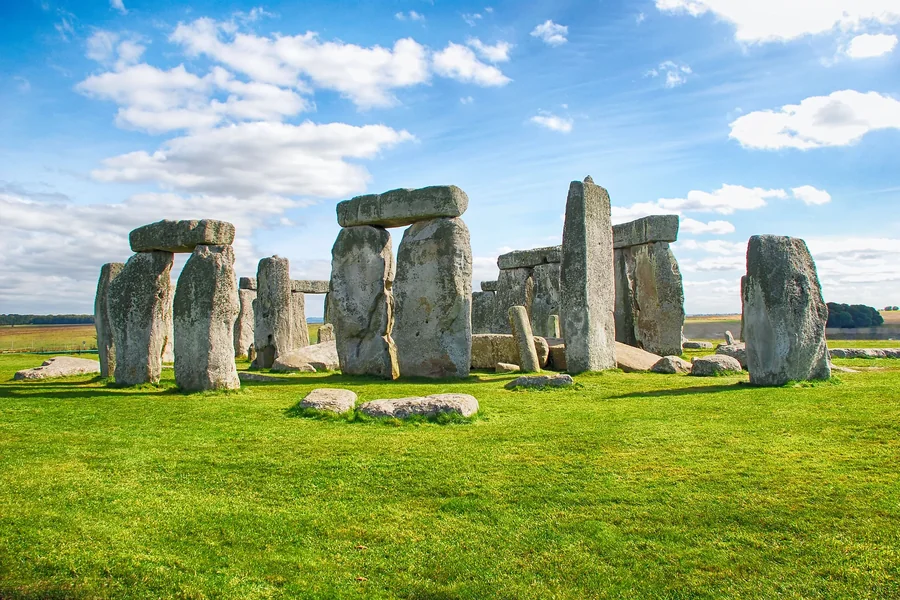
History has an incredible way of anchoring us to the earth, reminding us that our present moment is merely a single stitch in a vast and intricate tapestry of human existence. When we stand before the crumbling walls of a forgotten city or hold a tarnished coin minted by an empire that collapsed centuries ago, we are doing more than just observing antiquity. We are actively participating in a continuous dialogue with our forebears. The experience of engaging with Ruins and Relics: Walking Through Time offers a profound shift in perspective, allowing us to bridge the immense gap between the ancient world and our modern lives. It is an immersive journey that requires us to look beyond the surface of decayed stone and rusted metal to see the vibrant, bustling societies that once thrived in these spaces. By examining the physical remnants of the past, we gain invaluable insights into the daily routines, belief systems, technological advancements, and artistic expressions of the people who laid the foundations of contemporary civilization. Every cracked amphora, every weathered monument, and every buried foundation serves as a quiet testament to human resilience and ingenuity. As we traverse these historical landscapes, we are reminded that history is not merely a collection of dates and names memorized from a textbook, but a tangible, deeply human narrative written in the very soil beneath our feet. This physical connection to antiquity stirs the imagination, prompting us to ask questions about who these people were, what they valued, and how they faced the relentless march of time.
The Silent Stories of Ancient Architecture
There is a distinct, almost overwhelming emotional weight that accompanies the experience of standing in the shadow of ancient monuments. The architectural achievements of antiquity are perhaps the most visible and enduring markers of human ambition. From the sweeping, sun-baked plazas of Mesoamerican pyramids to the precise, geometric perfection of classical Greek temples, these structures were designed to communicate power, devotion, and permanence. The builders of these colossal edifices possessed an intimate understanding of their materials, utilizing limestone, marble, granite, and mudbrick to construct spaces that could withstand the formidable forces of nature. When we examine these architectural wonders, we are granted a unique window into the societal structures and priorities of the civilizations that erected them. A sprawling Roman amphitheater, for instance, speaks volumes about the culture’s emphasis on public spectacle, engineering prowess, and communal gathering, while the intricate, soaring spires of a Gothic cathedral reflect a society deeply preoccupied with spiritual ascension and divine light.
Beyond their grand proportions and aesthetic beauty, ancient ruins reveal the intricate mechanics of early urban planning and technological innovation. The remnants of aqueducts stretching across the European landscape demonstrate a sophisticated mastery of hydrology and civic engineering, ensuring that massive populations had access to fresh water. Similarly, the carefully aligned stones of megalithic structures like Stonehenge or the precise astronomical orientations of Mayan observatories showcase an advanced understanding of celestial movements and seasonal cycles. Yet, what makes these architectural remnants truly captivating is not just their original glory, but their current state of decay. The collapsed roofs, the missing facades, and the eroded columns tell a secondary story of abandonment, conflict, or natural disaster. They stand as monuments not only to human achievement but also to the inevitable cycle of rise and fall that characterizes all empires. Walking through the quiet, grass-grown avenues of a ruined city allows us to mentally reconstruct the bustling markets, the solemn religious processions, and the everyday domestic life that once echoed within those walls, transforming inanimate stone into a living historical theater.
Artifacts That Connect Us to Our Ancestors
While monumental architecture provides the grand backdrop of history, it is the smaller, often overlooked relics that offer the most intimate connection to the individuals who lived it. Artifacts are the personal belongings, the tools, the currency, and the household items that populated the daily lives of our ancestors. Unlike grand temples built by kings and emperors, these modest objects represent the common human experience, bridging the millennia with a startling sense of familiarity. A delicately carved bone needle found in a Paleolithic cave, a perfectly preserved leather sandal pulled from a bog, or a simple clay cooking pot unearthed from a medieval village—these relics bypass the macro-level narratives of wars and dynasties to speak directly to the universal necessities of survival, comfort, and domesticity.
The meticulous study of artifacts allows archaeologists and historians to piece together the nuanced realities of ancient life. The discovery of trade goods, such as lapis lazuli from Afghanistan found in the tombs of Egyptian pharaohs, maps out the extensive and complex economic networks that connected distant ancient cultures. The evolution of weaponry, from roughly knapped flint arrowheads to expertly forged bronze swords, charts the technological advancements and shifting tides of warfare. Furthermore, the presence of jewelry, decorative arts, and children’s toys highlights the timeless human desire for aesthetic beauty and emotional connection. When we view a piece of ancient jewelry, we are reminded that vanity, love, and the urge to adorn oneself are not modern inventions but deeply ingrained aspects of our shared humanity. Museums around the world serve as the modern sanctuaries for these precious items, carefully curating them to tell cohesive stories of human progress. By observing these tangible remnants, we cultivate a deep sense of empathy for those who came before us, recognizing that despite the vast technological and chronological divides, the core of the human experience remains remarkably unchanged.
The Impact of Time on Historical Landscapes
The relationship between ancient sites and the natural environment is a complex and visually striking phenomenon. Over centuries and millennia, the landscapes that house these historical treasures undergo profound transformations, often engaging in a slow, relentless battle between human preservation and natural reclamation. In places like the dense jungles of Southeast Asia or the sprawling rainforests of Central America, nature has dramatically reasserted its dominance over human construction. The iconic image of massive, serpentine tree roots engulfing the stone faces of Cambodian temples beautifully illustrates this dynamic. The relentless growth of vegetation, the shifting of tectonic plates, and the slow accumulation of soil have effectively swallowed entire cities, preserving them beneath a protective canopy of earth and greenery until they are eventually brought back to the surface.
This intersection of nature and history contributes to what is often referred to as “ruin value”—the aesthetic and philosophical appeal of a structure in its decayed state. The Romantic movement of the eighteenth and nineteenth centuries heavily capitalized on this concept, finding poetic beauty and melancholy in the sight of ivy-covered castles and crumbling abbeys. The weather-beaten facades and the organic integration of stone and flora evoke a powerful sense of the sublime, reminding observers of the fleeting nature of human endeavors when pitted against the vastness of geological time. However, this same natural environment poses significant challenges to the preservation of historical landscapes. Wind erosion, extreme temperature fluctuations, acid rain, and rising sea levels threaten to erase these invaluable sites forever. The ongoing efforts to conserve and protect ancient ruins involve a delicate balance, requiring experts to stabilize fragile structures without stripping away the atmospheric patina that time and nature have so carefully applied. It is within this fragile balance that the true magic of historical landscapes resides, offering a physical manifestation of time’s passage and our ongoing struggle to hold onto the echoes of the past.
Final Thought
As we reflect on the monumental structures and delicate items that have survived the relentless passage of centuries, we are inevitably prompted to consider our own place within the broad continuum of history. The ancient ruins and carefully preserved relics we study today are the enduring legacies of civilizations that, in their prime, likely believed their reign would last forever. Engaging with these historical remnants serves as a humbling reminder of our own impermanence, while simultaneously celebrating the enduring spirit of human creativity and resilience. By continuing to study, protect, and cherish these physical pieces of the past, we not only honor the memories of those who came before us but also ensure that future generations will have the opportunity to walk through time, learn from our collective history, and find inspiration in the silent stories etched into the stones and artifacts of antiquity.
FAQs
What is the main difference between a ruin and a relic? A ruin typically refers to the remains of a building, city, or large physical structure that has fallen into a state of decay over time. A relic generally describes a smaller, often movable object or artifact, such as a piece of pottery, a tool, or an item of religious significance that has survived from an earlier era.
Why is the preservation of ancient architecture so important? The preservation of ancient architecture is crucial because it provides tangible, physical evidence of past human civilizations, their technological capabilities, and their cultural priorities. These structures serve as educational resources that help us understand the evolution of human societies and maintain a connection to our global cultural heritage.
How do environmental factors affect the survival of historical artifacts? Environmental factors such as moisture, extreme temperatures, sunlight, and oxygen can significantly accelerate the degradation of organic materials like wood, cloth, and paper. Conversely, extreme environments like dry deserts, freezing ice, or oxygen-depleted bogs can perfectly preserve these same artifacts for thousands of years by halting the natural decay process.
What role do everyday artifacts play in understanding history? Everyday artifacts like cooking utensils, common clothing, and simple tools provide essential insights into the daily lives, domestic routines, and social conditions of ordinary people. While written histories often focus on leaders and major events, these common relics give voice to the general population and offer a more comprehensive understanding of a historical period.